Leave Your Message
0%

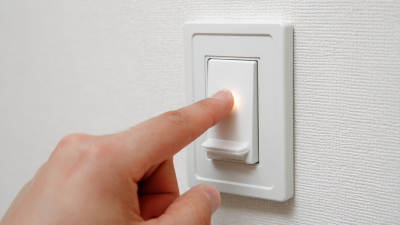
You know that Wall Switch you flip without even thinking? It's one of those everyday controls you'll find in homes, offices, workshops, and public buildings. Its job is pretty basic: open or close an electrical circuit so power can reach a lamp, a fan, or whatever else is hooked up to it. Flipping it feels simple. The mechanism behind it, though? Carefully designed.

Inside a typical switch, there's a movable contact that shifts when you press the rocker, toggle, or button. In the “on” position, the conductive parts meet, and current can flow. In the “off” position, the circuit is broken. A spring helps the switch settle back where it should, and the faceplate keeps the internal bits from being touched by accident.

When people say Light Switch On Wall, they're usually talking about a wall-mounted control for ceiling lights or other fixed lighting. But not every wall control works the same way. Some switches run a single light. Others handle several fixtures, fans, dimming functions, or smart-home gear. And wiring layouts can vary quite a bit between older and newer installations.

Any safe explanation has to include some practical limits. Before you inspect anything, turn off the correct circuit—and verify that the power is actually absent with suitable equipment. Don't just trust the switch position. Manufacturer instructions and local electrical requirements matter here. If you run into unfamiliar wiring, damaged insulation, loose terminals, or repeated tripping, call a qualified electrician.

This guide walks through the main parts, common switch types, how they operate, and the signs of wear to watch for. It also keeps real household details in mind—like a faceplate that feels warm, a faint buzzing sound, or a lamp that flickers. Those little clues are worth paying attention to. A Wall Switch may look ordinary, but sometimes small faults are pointing to bigger electrical problems.
What Is a Wall Switch and How Does It Work?

Definition and Purpose of a Wall Switch

What Is a Wall Switch and How Does It Work?

Definition and Purpose of a Wall Switch

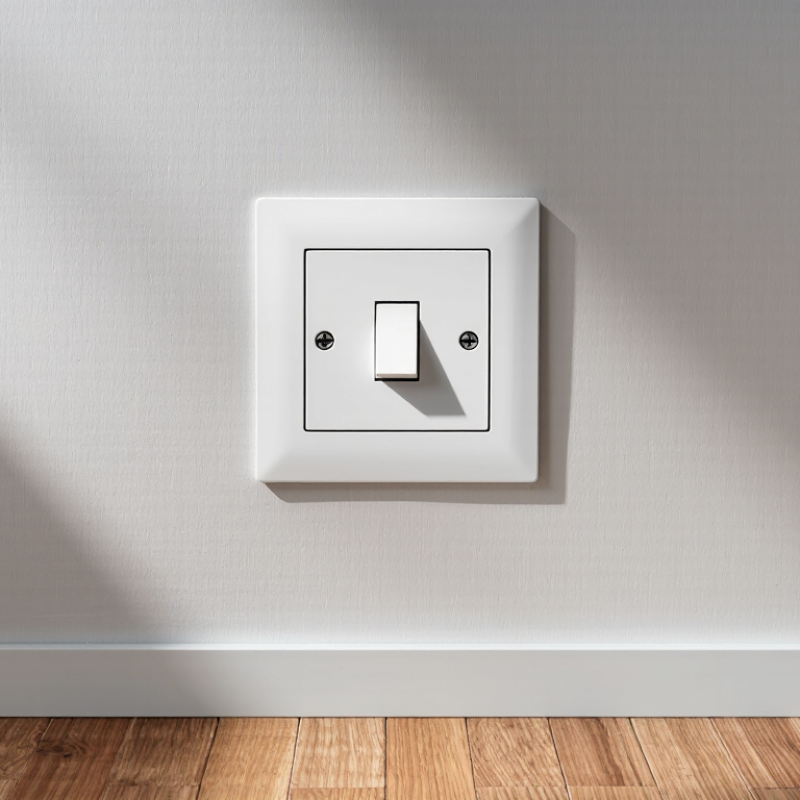
A Wall Switch is a manually operated device that controls electricity in a fixed circuit. It usually turns a light, exhaust fan, or other compatible fixture on and off. The switch does not create electrical power. Instead, it opens or closes the circuit feeding the connected load.

Inside, a basic switch contains conductive contacts and a mechanical actuator. Pressing the actuator moves the contacts together or apart. When the contacts meet, current can flow through the circuit. When they separate, the circuit is interrupted, and the fixture normally stops operating. It is simple. However, the wiring behind the wall deserves careful attention.

In practical electrical work, the switch must match the circuit design, voltage, current rating, and installation method. Some switches control one fixture, while others operate the same light from two locations. More advanced models may use sensors, timers, or electronic controls, but their purpose remains similar: managing power safely and conveniently.

A common assumption is that replacing a switch only involves matching wire colors. That approach is incomplete. Wire functions can vary by installation, and older wiring may lack clear identification. Turning off the breaker is essential, but it is not always enough; qualified testing should confirm that no voltage remains before handling conductors. The small plastic plate is visible, yet the real safety work happens inside the electrical box.

Main Components and Their Functions

What Is a Wall Switch and How Does It Work?

Main Components and Their Functions

A Wall Switch is a simple control device that opens or closes an electrical circuit. When you press the paddle, an internal mechanism moves between two contact points. This movement either allows current to flow or interrupts it. In a typicalSwitch On Wall setup, the visible cover hides several important parts. The faceplate provides protection and a clean finish. The switch body holds the operating mechanism. Terminal screws or push-in terminals connect the incoming and outgoing wires. A grounding terminal helps direct fault current safely away from people.

The live wire carries power toward the switch. The switched wire carries power to the light or appliance. The neutral wire usually bypasses a basic mechanical switch and continues to the load. Inside, metal contacts must meet firmly. Loose connections can create heat, flickering, or a faint buzzing sound. From practical inspections, a warm faceplate deserves attention, even when the light still works. Wire colors can vary in older installations, so never trust color alone. Turn off the circuit and verify it is dead before any inspection. A qualified electrician should handle uncertain wiring.

Tips: Press the switch gently and listen. A crisp click is normal. Crackling, looseness, or heat is not. Dust can collect around the plate, but cleaning will not fix a failing connection. One detail is easy to overlook: the wall box must hold the switch securely. A crooked switch may indicate damaged mounting threads or stressed wiring.

How a Wall Switch Controls an Electrical Circuit

A Wall Switch is a small control device that opens or closes an electrical circuit. Its job is simple: it manages the flow of electricity to a light or another fixed load. When the switch is on, metal contacts meet inside the box. Current travels through the circuit, reaches the load, and produces light or motion. When the switch is off, the contacts separate. The circuit is interrupted, so the load stops receiving power.

The switch normally controls the live conductor, not the neutral conductor. This design helps reduce voltage at the light fixture when the switch is off. A toggle moves a spring mechanism, while the contacts handle the electrical connection. You may hear a faint click. That sound comes from the contacts changing position. During inspections, loose terminals, warm plastic, or buzzing can indicate resistance and overheating. These signs should not be ignored.

A Smart Wall Switch performs the same basic task, but it also uses electronics to receive commands. It may respond to a touch panel, schedule, sensor, or wireless signal. Some models need a neutral wire, while older boxes may not provide one. Compatibility depends on the circuit, load type, and wiring arrangement. Always turn off the breaker and verify the circuit is de-energized before handling wires. A non-contact tester can help, but it is not infallible. Electricity leaves little room for assumptions, and a qualified electrician should inspect uncertain connections.

What Is a Wall Switch and How Does It Work? — How a Wall Switch Controls an Electrical Circuit
Data Dimension Typical Information How It Relates to Circuit Control Important Notes
Basic Definition A Wall Switch is an electrical control device installed in or on a wall box. It changes the condition of a circuit by opening, closing, or electronically regulating the current path. The term includes mechanical switches, dimmers, occupancy sensors, and other wall-mounted controls.
Main Switching Principle A mechanical switch uses movable contacts to create or separate an electrical connection. Closed contacts complete the circuit; open contacts interrupt the circuit and normally stop current from reaching the load. The switch is commonly placed in the ungrounded, or hot, conductor so the load is de-energized when switched off.
Typical Controlled Loads Lighting fixtures, exhaust fans, receptacle outlets, and some permanently connected equipment. The switch controls whether power is supplied to the connected load. The switch rating must be suitable for the load type, voltage, current, and any motor or electronic inrush current.
Common Switch Type Single-pole, single-throw (SPST) switch. It controls one circuit from one location by opening or closing one switched conductor. This is the common arrangement for a light controlled from one wall location.
Two-Location Control Three-way switching uses two switches to control one load from two locations. Each switch changes the connection between traveler conductors, allowing either location to change the load state. The circuit requires wiring designed for multi-location control; a standard single-pole switch is not an equivalent replacement.
Multiple-Location Control Four-way switches can be placed between two three-way switches. They interchange the traveler connections so one load can be controlled from three or more locations. The number and arrangement of switches depend on the wiring design and local electrical requirements.
Dimmer Operation A dimmer adjusts the electrical power delivered to a compatible lamp or fixture. Electronic components modify the AC waveform or use another control method to regulate light output. Compatibility with LED, fluorescent, or incandescent loads must be confirmed; dimming performance can vary by lamp and dimmer.
Occupancy or Vacancy Sensor A wall-mounted sensor detects motion, occupancy, or manual input. An internal relay or electronic switching circuit turns the connected load on or off according to detected conditions. Detection range, time-delay settings, and the need for a neutral conductor vary by design.
Smart Wall Control A connected wall control may use electronic switching, wireless communication, schedules, or automation rules. The control signal operates an internal relay or semiconductor device that changes the load circuit. Some models require a neutral conductor, while others are designed for installations without a neutral at the switch box.
Typical Voltage Range Residential Wall Switches are commonly designed for low-voltage or mains-voltage systems, depending on the application and region. The switch must be rated for the circuit voltage to safely withstand the electrical potential when contacts open. Common residential system voltages include approximately 120 V or 230 V AC, but actual voltage and standards vary by country.
Current Rating Many general-purpose residential switches are rated around 15 A or 20 A, depending on their design and jurisdiction. The rating indicates the continuous current the switch can control under specified conditions. A switch must not be used above its marked rating. Motor, heating, LED, and other special loads may require a specific rating.
Neutral Conductor A traditional mechanical switch may operate without a neutral connection at the switch location. The mechanical contacts only need to open or close the switched hot conductor. Electronic controls often need a neutral to power their internal electronics, although some designs use alternative methods.
Grounding and Bonding A grounding connection provides a low-resistance path for fault current on devices and metal enclosures designed to be grounded. Grounding does not normally carry the intended load current; it supports fault protection. Grounding requirements depend on the wiring system, box material, device construction, and local code.
Switching State The two basic states are ON, with a conductive path, and OFF, with an interrupted path. Changing the state changes whether current can flow through the controlled branch circuit. A voltage detector or tester may show voltage in unexpected places; testing procedures must account for backfeed and induced voltage.
Physical Components Common parts include terminals, contacts or electronic switching elements, an actuator, a mounting strap, and an insulating body. The actuator commands the switching mechanism, while the terminals connect the device to the branch-circuit conductors. Terminal markings and conductor requirements differ by switch type and installation method.
Safety Function A correctly installed switch provides controlled interruption of power to a load. Opening the intended energized conductor reduces the likelihood that the load remains energized when turned off. Turning a switch off does not replace disconnecting and verifying power before electrical work.
Service Life Mechanical life depends on contact material, switching frequency, load type, and construction quality. Worn contacts may cause arcing, intermittent operation, heat, or failure to switch reliably. Buzzing, crackling, excessive warmth, discoloration, or a burning odor are signs that the circuit should be inspected by a qualified professional.

Common Types of Wall Switches

What Is a Wall Switch and How Does It Work?

A wall switch opens or closes an electrical circuit. When you press the paddle, internal contacts separate or connect, controlling current to a light or appliance. The common single-pole switch operates one fixture from one location. A three-way switch controls the same light from two locations, such as both ends of a hallway. A double-pole switch manages two hot conductors and is typically used for higher-voltage equipment. A Double Switch Light Switch places two separate controls in one wall box, saving space but requiring careful wiring.

Dimmers adjust light output by limiting electrical power, although not every lamp works safely with every dimmer. Timer and sensor switches add automatic control, while smart switches may require a neutral wire and compatible wiring. The U.S. Department of Energy reports that LED lighting uses at least 75% less energy than incandescent lighting and can last up to 25 times longer. That makes switch compatibility important, not decorative. A common mistake is assuming every wall box contains the same wires. It does not. Electrical inspections still matter.

Tips: Turn off the circuit breaker and verify power with a tested meter before touching wires. Match the switch rating to the circuit and load. Check grounding carefully. If the wiring is old, crowded, or confusing, use a qualified electrician. A neat plate can hide a poor connection, and that is where confidence should stop.

How to Choose the Right Wall Switch

A wall switch controls a light or appliance by opening and closing an electrical circuit. In a basic design, pressing the switch connects the live wire, allowing current to reach the load. Pressing it again breaks that path. The switch does not usually “create” electricity; it controls its route. A faint click is normal, but buzzing, heat, or a burning smell needs immediate attention.

Choosing the right wall switch starts with the circuit itself. Check the voltage, current rating, and number of control points. A single-pole switch suits one location, while a two-way switch allows control from two locations. For dimmable lighting, the switch and bulbs must support the same dimming method. Smart switches may require a neutral wire, stable wireless coverage, and enough space inside the wall box. Measure that space before buying. Small details matter.

I once assumed any switch with the same shape would work. That was a poor assumption. Some switches fit physically but cannot handle the load safely. Heavy fixtures, motors, and high-wattage devices require careful rating checks. Look for clear electrical markings and instructions from a reliable source. If the wiring is old, damaged, or confusing, stop and contact a qualified electrician. Never choose based on appearance alone. Safety comes first.

Basic Installation and Safety Considerations

A wall switch controls a light or other circuit by opening and closing the hot wire. Inside, a small moving contact changes position when you press the switch. The circuit closes, current flows, and the light turns on. When the contact separates, the light turns off. Simple in appearance.

Safe installation begins at the electrical panel. Switch off the correct circuit breaker, then confirm the wires are dead with a properly rated voltage tester. Never depend only on a switch position or wire color. Remove the cover plate and take a clear photo before disconnecting anything. Follow the new switch’s terminal markings carefully. Connect the hot and switched-hot wires as directed, and attach the grounding wire to the grounding terminal. Do not place two wires under one terminal unless the instructions permit it. Keep bare copper fully inside the box, with no loose strands. Tighten each connection firmly, but avoid crushing the wire.

Check that the electrical box is not overcrowded and that the switch sits straight before replacing the plate. Restore power only after the cover is secured. Test the switch from a dry position, away from exposed wiring. A warm switch, buzzing sound, burning odor, flickering light, or repeated breaker trip needs immediate attention. Older wiring may have damaged insulation or no grounding path. It is easy to rush this job. If any wire is unidentified, stop and contact a qualified electrician rather than guessing.

M10 All-in-One Wall Switch Panel: Smart Display and Flexible Control from China Factory Suppliers

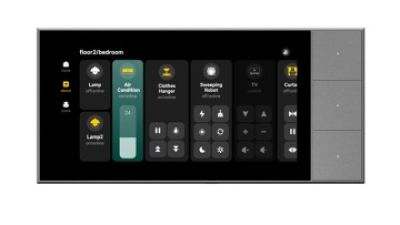
The M10 All-in-One Wall Switch Panel brings smart display performance and flexible control into a single wall-mounted solution from China factory suppliers. Its 6-inch IPS screen delivers 1440×720 ultra-HD resolution, making device status, scenes, and delicate visual interfaces easy to read. With three physical buttons, users can switch between individual device operation and scene-based control, creating a more intuitive experience for homes, hotels, offices, and commercial projects.

According to the International Energy Agency’s *Energy Efficiency 2024* report, buildings account for approximately 30% of global energy demand, increasing the need for convenient and responsive energy-management controls. The M10 supports one-key device import and unlimited device management, helping installers simplify configuration across larger projects. Its multi-protocol compatibility and integrated two-channel relays also make it suitable for upgrading older lighting-control systems without requiring a completely new operating concept.

As smart-home device adoption continues to expand, centralized interfaces are becoming increasingly valuable for reducing operational complexity. The M10 combines high-resolution visual feedback, programmable buttons, scene control, and broad system compatibility in one factory-produced panel, offering China suppliers and project integrators a practical solution for scalable smart-control deployments.

FAQS

What does a wall switch control?

It opens or closes an electrical circuit. When closed, current reaches a light or fixed load. When open, power stops flowing.

Which wire does a standard wall switch usually control?

It normally controls the live conductor, not the neutral conductor. This helps reduce voltage at the light fixture when switched off.

Is a faint clicking sound normal?

Usually, yes. The sound comes from internal contacts changing position. Buzzing, warmth, or a burning smell is different. Stop there.

What signs may indicate an electrical problem?

Loose terminals, warm plastic, buzzing, or a burning odor can indicate resistance and overheating. Do not ignore these signs.

How do I choose between single-pole and two-way switches?

A single-pole switch controls a load from one location. A two-way switch allows control from two locations. Count the control points first.

What should I check before buying a wall switch?

Check voltage, current rating, load type, and available wall-box space. Physical appearance alone is not enough.

Can a dimming switch work with any light bulb?

No. The switch and bulbs must support the same dimming method. Compatibility should be checked before installation.

Do electronic wall switches always need a neutral wire?

No. Some require a neutral wire, while others may not. The wiring arrangement, circuit, load, and box space all matter.

What safety steps should I follow before handling switch wires?

Turn off the circuit breaker and verify that the circuit is de-energized. A non-contact tester can help, but it is not infallible.

What should I do if the wiring looks old or confusing?

Stop and contact a qualified electrician. I once assumed similar shapes meant compatibility, but that assumption was poor. Safety needs more than confidence.

Conclusion

A Wall Switch is a simple electrical device used to control power to lighting fixtures, fans, outlets, or other connected equipment. Its main purpose is to open or close an electrical circuit, allowing users to turn a device on or off from a convenient location. Key components typically include a switch mechanism, terminals for wire connections, a protective cover, and a mounting structure. When the switch is turned on, its internal contacts connect the circuit so electricity can flow. When turned off, the contacts separate and interrupt the flow.

Wall switches are available in several common forms, including single-pole, three-way, dimmer, timer, and motion-sensing models. Choosing the right type depends on the circuit arrangement, load requirements, desired features, and compatibility with the electrical box. Installation should always involve turning off the power at the circuit breaker, verifying that no voltage remains, connecting wires correctly, securing the switch, and replacing the cover. Anyone uncertain about electrical work should consult a qualified professional to ensure safe and reliable operation.
Lila

Lila

Lila is a professional marketer at Shenzhen X-focus Co., Ltd. (AISpeaker), a leading smart home panel manufacturer and a top-tier industrial-trade integrated supplier in China. With a strong focus on research and development, Lila possesses an in-depth knowledge of the company's innovative......
Previous China Top 10 Whole Home Audio Suppliers for Global Buyers