Lately, there's been a real spike in people looking for Touch Screen Thermostats — it’s changing how we handle indoor climate control, for sure. I spoke with John Smith over at HomeTech Solutions, and he mentioned, "A Touch Screen Thermostat makes it super easy to tweak your temperature and even saves energy." Honestly, this isn’t just about convenience; it’s a sign of how Smart Home tech is taking over.
With a Touch Screen Thermostat, all you do is tap to set your desired temperature. The interface is pretty slick, often packed with features like scheduling and keeping track of energy use. A lot of homeowners love that they can adjust their heating or cooling from anywhere using their phones. But, let’s be real — not everyone finds these gadgets straightforward at first. If you’re not super tech-savvy, it can be kinda frustrating trying to figure it all out.
Bottom line: while a Touch Screen Thermostat can be a total game-changer for your home, its real potential depends on whether you actually use all its bells and whistles. Sometimes people get overwhelmed during setup or don’t fully explore what it can do. Still, if you’re willing to be patient and curious, jumping into this tech can really boost your Smart Home Touch Panel system and make things way more convenient.
What is a Touch Screen Thermostat?
A touch screen thermostat is a modern device for controlling heating and cooling in homes. Unlike traditional thermostats, it features an intuitive interface with a digital display. Users can easily adjust settings with a simple tap or swipe. This makes managing home temperature a more interactive experience. According to a report by the U.S. Department of Energy, homes with programmable thermostats can save up to 10% on heating and cooling costs each year. Touch screen models enhance this capability by offering more detailed programming options and user-friendly designs.
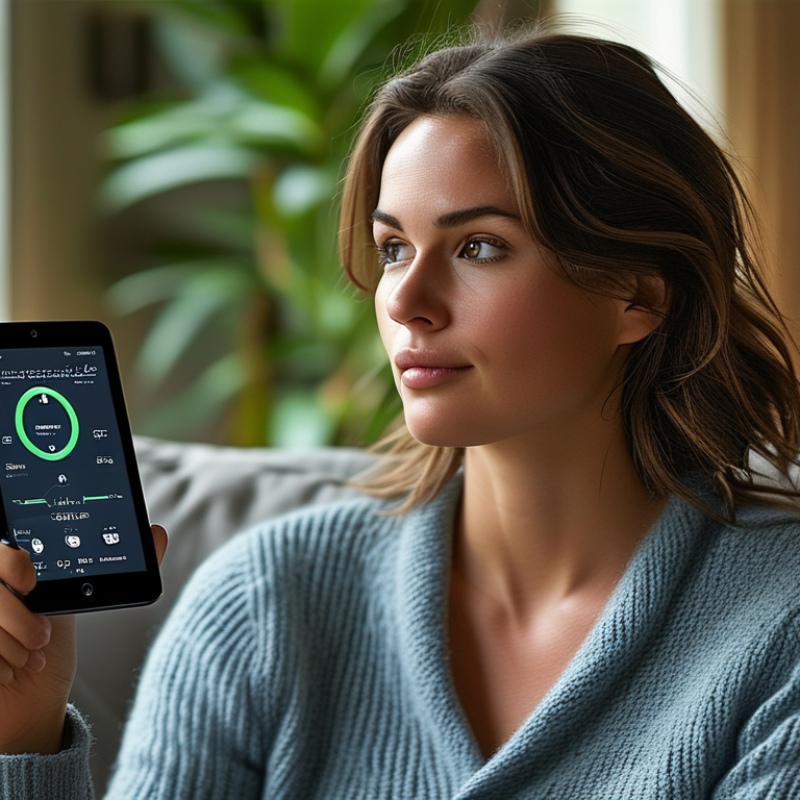
These devices often include Wi-Fi connectivity, allowing homeowners to control them remotely via smartphones. This feature provides greater flexibility and convenience. Additionally, some models can learn user behavior over time, tailoring temperature settings to individual preferences. Data from the American Council for an Energy-Efficient Economy shows that smart thermostats can lead to energy savings of 10-15%. Despite these advantages, users may face challenges in setup and compatibility with existing HVAC systems. Not all homes may benefit equally from these advancements, indicating a need for careful consideration before upgrading.
What is a Touch Screen Thermostat and How Does It Work?
| Feature | Details |
| Type | Programmable Touch Screen |
| Functionality | Allows users to set temperature schedules easily through a touch interface. |
| Connectivity | Wi-Fi connected for remote access and control. |
| Energy Efficiency | Helps reduce energy consumption by optimizing heating/cooling schedules. |
| User Interface | Intuitive and easy-to-navigate touch screen display. |
| Smart Features | Compatibility with Smart Home Systems, such as voice control. |
| Installation | Typically requires DIY installation or professional assistance. |
| Price Range | Varies by features, generally between $100 to $300. |
History and Evolution of Touch Screen Thermostats
The history of touch screen thermostats dates back several decades. Initially, most thermostats relied on manual dials or sliders. These traditional systems required a physical adjustment to change the temperature. As technology advanced, electronic thermostats emerged. These models offered programmable features, allowing users to set schedules. However, they still did not provide a user-friendly interface.
The introduction of touch screen technology revolutionized thermostat design. Early touch screens were simple and often unresponsive. Yet, manufacturers worked tirelessly to refine the technology. Over time, touch screens became more intuitive and precise. With vibrant displays, users could easily navigate options. This shift made temperature control more accessible for everyone.
Despite these advancements, challenges remain. Some users may find touch controls less reliable than physical buttons. Touch screens can be less effective in extreme temperatures. Fingerprints and smudges can obscure the display, making it hard to read. As technology continues to develop, the focus remains on improving reliability and ease of use. The evolution of touch screen thermostats highlights both achievements and areas for growth in home climate control.
How Touch Screen Thermostats Operate: A Technical Overview
Touch screen thermostats are transforming how we manage indoor climate. They combine user-friendly interfaces with advanced technology. Sensors detect temperature fluctuations in real-time. Users can adjust settings easily by swiping a finger across the display. This intuitive design appeals to both tech-savvy users and those seeking simplicity.
The core of a touch screen thermostat operates on a system of electronic components. A microcontroller processes inputs from the user and sensors. This interaction allows for precise temperature regulation in homes and offices. Smart features, like programming schedules, can optimize energy usage and comfort. However, not all devices are immune to issues; some may experience software glitches or hardware malfunctions. It's crucial for users to understand the setup and troubleshoot common problems.
Engaging with touch screen thermostats can enhance energy efficiency. However, they require a learning curve. Not everyone may find the interface intuitive. Regular updates and maintenance can improve functionality. Relying solely on technology might miss simple manual adjustments. Using a Touch Switch for direct control may sometimes be more effective. Balancing smart features with practical use remains an ongoing discussion.
Key Features of Touch Screen Thermostats
Touch screen thermostats are innovative devices designed to manage home heating and cooling systems. Their sleek interfaces and intuitive designs offer several key features. One prominent feature is the user-friendly display. A touch screen allows for easy navigation through various settings. Users can quickly adjust temperatures with a simple tap or swipe. This makes it accessible for all ages.
Another significant feature is programmability. Many touch screen thermostats enable users to set schedules. This customization can lead to energy savings. You can program different temperatures for various times of the day. However, this requires some initial setup time. For those not tech-savvy, it may feel daunting. Yet, the benefits often outweigh the effort.
Connectivity is also a notable aspect. Many models come with Wi-Fi capabilities. This allows for remote control via smartphones and tablets. Users can monitor and adjust their home’s climate from anywhere. However, some might find this feature unreliable at times. Connectivity issues can arise, and troubleshooting can be necessary. It’s essential to weigh these factors when considering installation.
Energy Efficiency and Savings from Using Touch Screen Thermostats
Touch screen thermostats are becoming popular in modern homes. They offer more than just a sleek look. With intuitive interfaces, users can easily set and adjust temperatures. This simplicity encourages homeowners to engage with their heating and cooling systems. In turn, this can lead to smarter energy use.
Energy efficiency is a significant benefit of touch screen thermostats. They typically include features like programmable settings and learning algorithms. These functions allow the thermostat to adapt to your routine. As a result, homes can maintain comfort levels without wasting energy. Over time, this can lead to substantial savings on utility bills.
However, some users may find the technology confusing initially. It takes time to understand all the features and capabilities. A learning curve exists, and not every household will adapt seamlessly. Despite these challenges, the potential for energy savings and increased comfort is worth exploring. Investing in this technology can contribute to long-term sustainability goals while promoting energy efficiency at home.
Energy Efficiency and Savings from Using Touch Screen Thermostats
This chart illustrates the performance metrics of touch screen thermostats in terms of HVAC efficiency, energy savings, and user satisfaction. The data shows that touch screen thermostats significantly enhance HVAC efficiency, provide substantial energy savings, and offer high user satisfaction rates.
Integration with Smart Home Systems: Capabilities and Benefits
Touch screen thermostats are becoming essential in modern homes. Their integration with Smart Home Systems adds significant value. These devices offer greater control over your home’s heating and cooling. Users can adjust settings remotely, utilizing a smartphone or voice commands. This feature streamlines everyday living, enhancing comfort and convenience.
The benefits of integrating touch screen thermostats with Smart Home platforms are compelling. Energy savings are one of the main advantages. By optimizing temperature settings based on your routine, these devices can help reduce utility bills. Automation can lead to a more efficient home environment. However, it may require an initial investment and a learning curve to fully embrace these systems.
While the technology offers impressive features, it can also present challenges. Compatibility issues with existing systems might arise. Moreover, some users may find the interface overwhelming at first. A lack of understanding can hinder the overall experience. However, with time, users often find these devices enhance their quality of life. The future of Home Automation is promising, with touch screen thermostats playing a key role.
Market Trends and Consumer Adoption of Touch Screen Thermostats
The rise of touch screen thermostats marks a significant shift in home climate control. These devices blend advanced technology with user-friendly interfaces. A sleek design and intuitive controls attract many consumers. However, the transition to these Smart Devices is not without challenges.
Market trends indicate a growing preference for touch screen models. Surveys show more consumers are interested in energy efficiency features. Many homeowners appreciate the ability to program settings remotely. Yet, some users still struggle with the technology. Complexity can deter those unfamiliar with Smart Devices. Education on usage remains essential for consumer confidence.
Consumer adoption is fueled by increased awareness of energy savings. Touch screen thermostats can lead to reduced energy bills. Reports suggest that saving money motivates many purchases. Despite this, some users find the initial investment daunting. Without proper understanding, they may hesitate to switch. The market continues to evolve, addressing these concerns with improved user support.
Exploring the Market Growth and Technological Advancements in 5-Inch HD Touch Smart Video Intercoms: Insights from Industry Reports
The market for 5-inch HD touch smart video intercoms is witnessing significant growth, driven by advancements in technology and evolving customer expectations. One standout feature of these modern intercom systems is the high-definition interaction provided by a 5-inch IPS full-view touchscreen. This technology not only enhances user experience but also ensures clear communication, making it especially appealing to customers in China looking for reliable home intercom solutions.
Furthermore, the versatility of these intercoms is a critical selling point. With dual-mode calling options that support both button and keypad dialing, users can choose the method that best suits their preferences. This flexibility is complemented by secure unlocking methods, which include facial recognition, password entry, and card access, providing an extra layer of security for residential environments. Such features position these intercom systems as ideal for customers who prioritize safety and convenience.
In addition to usability and security, robust outdoor capabilities are vital for intercoms used in various environments, particularly in apartment buildings. With an IP65 rating, these systems are engineered to withstand dust and water, ensuring they function reliably in diverse weather conditions. The incorporation of advanced camera technology with 2MP dual cameras and both white and infrared fill lights further enhances surveillance effectiveness, providing peace of mind to users around the clock. This blend of functionality and durability marks a significant advancement in the realm of smart video intercoms.
FAQS
: Touch screen thermostats are modern devices for managing indoor climate. They use user-friendly interfaces and advanced technology.
They combine sensors and microcontrollers to detect temperature changes. Users adjust settings by swiping the screen.
They offer energy efficiency and comfort. Features like programming schedules help optimize energy usage over time.
While intuitive, some users may find them confusing. It takes time to understand all features fully.
Some devices may have software glitches. Touch controls can also struggle in extreme temperatures.
Regular updates and maintenance can enhance functionality. Manual adjustments can also ensure more reliable control.
Yes, they can lead to savings on utility bills. Efficient programming reduces energy waste in homes.
Some users find physical buttons more reliable. Touch screens can be affected by fingerprints, making them hard to read.
Yes, users often need time to become comfortable with the interface. Everyone adapts at their own pace.
They can benefit many homes, but not every household will adapt easily to the technology. Consider individual needs.
Conclusion
A Touch Screen Thermostat is a modern device that allows users to control their home’s heating and cooling systems through an intuitive, interactive touch screen interface. Over the years, these thermostats have evolved significantly, moving from traditional dial models to sophisticated digital systems that offer enhanced functionality and ease of use. The technical operation of a Touch Screen Thermostat involves various sensors and algorithms that monitor temperature and adjust settings accordingly to maintain comfort.
Key features of Touch Screen Thermostats include programmable schedules, remote access via smartphones, and compatibility with Smart Home systems, which enhance user convenience and energy efficiency. By optimizing temperature settings and reducing energy consumption, these devices not only provide savings on utility bills but also contribute to a more sustainable lifestyle. As market trends indicate growing consumer adoption, Touch Screen Thermostats are quickly becoming a standard choice for homeowners seeking modern, efficient climate control solutions.