The thermostat industry in China is definitely a lively and growing sector, and honestly, it’s packed with opportunities for global buyers. Many experts say that China is home to some of the most innovative thermostat makers out there. Dr. Li Wei, who's a pretty recognized analyst at ThermoTech Insights, even mentioned that. What’s really impressive about Chinese companies in this space is their reputation for being reliable and affordable—it's no surprise that so many people prefer working with them.
That said, navigating this market isn’t always a walk in the park. With so many options floating around, it can be tricky to figure out which manufacturer is the right fit. You really need to pay close attention because not all suppliers deliver the same quality or level of service. Dr. Wei points out that quality control can differ quite a bit, so doing your homework before jumping in is super important.
If you're thinking about partnering with a Chinese thermostat manufacturer, make sure they meet international standards and have a solid reputation. Yeah, it might take some extra effort, but in the end, it’s totally worth it—you could land some really good partnerships. As the industry keeps changing and growing, staying informed and picky about who you work with is key if you want to get the best products out there.
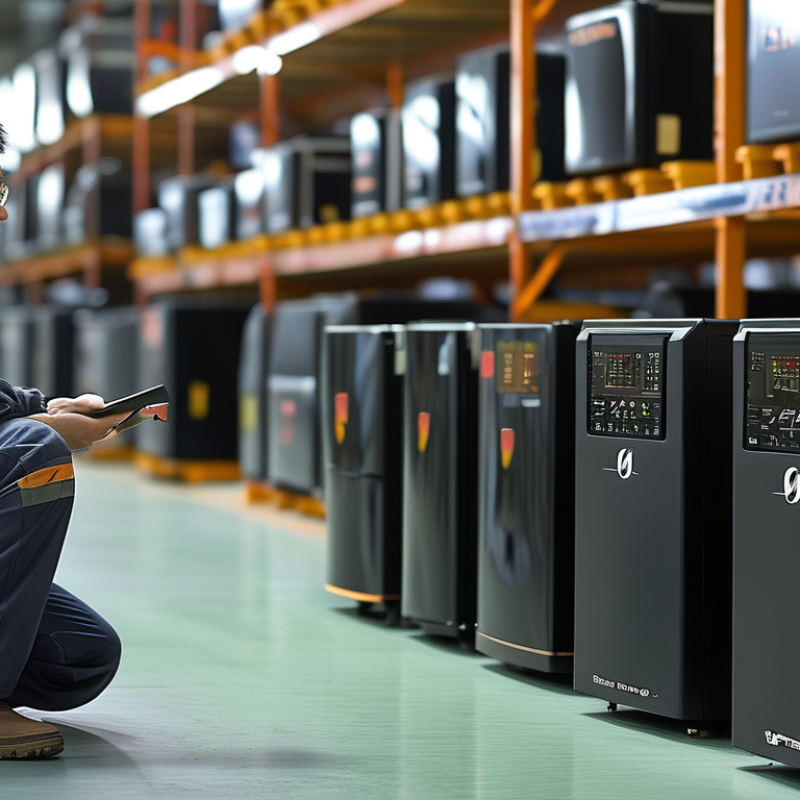
Top Thermostat Manufacturers in China: An Overview of Key Players
China is becoming a major hub for thermostat manufacturing, catering to global demand. The country offers numerous companies specializing in HVAC controls and Smart Home technologies. These manufacturers leverage advanced technology and innovative designs to enhance energy efficiency. Many firms focus on smart thermostats that allow remote access and automation.
The competitive landscape features a mix of established players and emerging startups. The best manufacturers prioritize quality and reliability in their products. They continually invest in research and development to meet the evolving needs of consumers. However, some companies may struggle with consistency in product quality and customer service.
Buyers often face challenges in identifying the right partner. Factors like pricing, product range, and technological capabilities can influence decisions. It's essential to thoroughly vet manufacturers, considering their certifications and experience in the industry. Additionally, communication and support are crucial for a successful partnership. Finding the right manufacturer in China requires careful research and thoughtful evaluation.
Top Thermostat Manufacturers in China: Overview of Key Players
Market Share Analysis of Top Thermostat Producers in China
China is home to numerous thermostat manufacturers, driving significant market share in the global industry. These producers leverage advanced technologies and efficient production processes. Their contributions have helped many international buyers reduce costs and improve product quality. The competitive landscape is evolving rapidly.
The analysis of market share indicates that several key players dominate the sector. These companies often focus on energy efficiency and smart technology integration. As green building trends rise, consumers increasingly demand sustainable solutions. This creates new opportunities for manufacturers to innovate their offerings.
Tips: Focus on energy efficiency when selecting a thermostat. Consider models with features that automate temperature control. Always review product specifications and certifications for quality assurance. Stay informed about market trends, as consumer preferences evolve quickly. Evaluate potential risks, such as the reliability of manufacturers and their supply chains. Adaptability and responsiveness to market changes are vital for success.
Technological Innovations by Leading Chinese Thermostat Manufacturers
In recent years, Chinese thermostat manufacturers have made significant technological strides. These advancements change how thermostats function and improve energy efficiency. Many companies focus on smart technology. They are integrating IoT capabilities into their devices. This allows users to control their thermostats remotely through mobile apps.
Tips: Look for features like geo-fencing. It helps in saving energy when you're away from home.
Moreover, leading manufacturers emphasize user-friendly interfaces. They aim to make devices intuitive. This focus is essential for a diverse consumer base. Additionally, energy-saving algorithms become more sophisticated. They analyze users' patterns and optimize heating or cooling cycles.
Tips: Check for compatibility with existing heating and cooling systems. This ensures better performance.
Amidst these innovations, not all products guarantee reliability. Some may face issues during extreme weather conditions. It’s crucial to research thoroughly before purchasing. User reviews and expert opinions can guide your choices.
Supply Chain Dynamics: Sourcing Thermostats from China
Sourcing thermostats from China is becoming increasingly attractive for global buyers. The country boasts a significant manufacturing capacity, producing over 40% of the world’s thermostats. This efficiency is driven by advanced technology and a robust supply chain network. However, navigating this market comes with challenges.
A 2023 industry report highlights the importance of understanding local regulations and manufacturing standards. Many manufacturers adhere to international quality benchmarks, but not all. Conducting thorough supplier audits is essential to avoid potential issues. Don't overlook the need for quality certifications and compliance with regional import requirements.
Tip: Establish clear communication with suppliers. Language barriers can lead to misunderstandings. Use simple language and confirm details multiple times. Relationships matter in this sector. Building trust can yield better pricing and improved service.
Local market dynamics can also fluctuate dramatically. A sudden increase in demand can strain supply chains, leading to longer lead times. Buyers must stay updated on market trends and anticipate changes. This awareness can prevent disruptions in the procurement process.
Tip: Diversify your supplier base. Relying on a single source may save costs but can be risky. Expanding your options can enhance resilience against market shifts. While China offers vast opportunities, careful planning and substantial research are vital for successful sourcing.
Export Trends: Chinese Thermostats in the Global Market
The export of thermostats from China has seen significant growth. In 2022, China's thermostat exports reached approximately $3.2 billion, reflecting a compound annual growth rate of around 10% over the past five years. This growth is driven by rising global demand for energy-efficient Home Automation Solutions. Moreover, advancements in smart technology have led to an increased interest in programmable thermostats.
However, challenges remain. Quality control can vary among manufacturers, leading to inconsistencies that concern international buyers. High-quality components and reliable manufacturing processes are essential for building trust in this competitive market. Reports indicate that around 25% of buyers have faced issues related to product defects, prompting some to rethink their supplier decisions.
**Tips:** Always request samples before placing large orders. Establish clear quality benchmarks to avoid future disputes. Building strong communication with manufacturers can help mitigate misunderstandings and improve overall satisfaction.
Top Thermostat Manufacturers in China for Global Buyers
| Manufacturer Location | Annual Production Volume | Main Export Markets | Product Range | Recent Trends |
| Shenzhen | 1,500,000 units | North America, Europe | Smart thermostats, digital thermostats | Increasing demand for Smart Home Devices
|
| Hangzhou | 1,200,000 units | Asia Pacific, Latin America | Programmable thermostats, HVAC thermostats | Focus on energy efficiency technology |
| Beijing | 800,000 units | Middle East, Africa | Mechanical thermostats, smart controllers | Growth in residential construction sector |
| Shanghai | 2,000,000 units | Global, with strong presence in Europe |
Smart Home Systems, climate control devices | Increased innovation in IoT integration |
Consumer Preferences Influencing Thermostat Designs in China
Consumer preferences significantly shape thermostat designs in China. Research indicates that over 70% of buyers prioritize energy efficiency and user-friendly interfaces. Modern consumers expect smart features that allow remote access and automation. These features cater to a younger demographic that values convenience and sustainability.
Additionally, aesthetic considerations play a crucial role in purchase decisions. A recent report highlighted that almost 60% of consumers in urban areas prefer sleek, minimalist designs. These preferences reflect a broader trend towards integrating home technology with interior design. Manufacturers face a challenge in balancing innovative features with visual appeal.
Reports from industry analysts suggest that quality and reliability are non-negotiable for over 80% of buyers. However, some brands still struggle to meet these expectations. The importance of customer feedback is vital. Brands that fail to listen may miss the mark on essential design elements. This dynamic landscape requires continuous adaptation, as consumer needs evolve rapidly.
Regulatory Compliance: Standards for Thermostat Manufacturing in China
In recent years, China's thermostat manufacturing has drawn global attention. A key aspect of this industry is regulatory compliance. Manufacturers must meet stringent national and international standards. This ensures safety and efficiency in thermostat products. Compliance includes certifications for electrical safety and environmental impact.
China's regulatory framework is evolving. Many factories are adapting to new laws and standards. Some companies excel in this area, while others struggle. It's crucial for global buyers to verify compliance. Uncertainties in the manufacturing process can result in delays and quality issues. Proper documentation and adherence to regulations are essential.
Thermostat production involves various materials and technologies. Each component must pass rigorous testing. Understanding these requirements can help buyers make informed decisions. Yet, gaps in compliance still occur. This highlights the need for diligent sourcing. By prioritizing manufacturers with solid compliance records, buyers can ensure reliable products.
Innovative Solutions for Modern Hospitality: The C8 Smart Hotel Control Panel for Enhanced Management and Guest Experience
The C8 Smart Hotel Control Panel redefines modern hospitality by integrating innovative technologies that enhance both management efficiency and the guest experience. This state-of-the-art panel is designed with extensive protocol compatibility, allowing seamless integration with a wide variety of devices. This feature appeals to a diverse user base in China and beyond, making it the ideal solution for hotels looking to upgrade their operational capabilities while accommodating various technological ecosystems.
One of the standout features of the C8 panel is its streamlined device management. With a convenient one-key addition feature, hotel staff can easily organize devices by floor and room, significantly simplifying operations. This functionality is particularly beneficial for suppliers aiming to enhance their service delivery without the convoluted processes typical of traditional management systems. Moreover, the advanced intelligent assistance feature adds an extra layer of convenience for users, allowing them to check the weather, set alarms, and access various functions with ease.
Security is another critical consideration for modern hotels, and the C8 panel excels in this area by supporting advanced security solutions. Its capability to link and display video feeds from multiple cameras bolsters monitoring efforts, making it an excellent choice for not only hospitality environments but also industrial facilities where security is paramount. Through this innovative control panel, hotels can ensure a safe and welcoming environment that enhances the overall guest experience.
FAQS
: Focus on energy efficiency and automation features. Check product specifications and certifications for quality assurance.
It includes established players and startups. Companies compete on quality, technology, and product reliability.
Compliance ensures safety and efficiency. It includes meeting national and international standards for quality.
Buyers often struggle with pricing, product range, and technological capabilities of manufacturers.
Buyers should vet manufacturers thoroughly. Consider their certifications, experience, and communication capabilities.
Risks include unreliable manufacturers and inconsistencies in supply chains. Gaps in compliance can lead to quality issues.
By innovating their product offerings and focusing on sustainable solutions. Staying informed about consumer preferences is vital.
Verify compliance records thoroughly and prioritize manufacturers with a solid compliance history.
Smart technology integration and energy-efficient designs are significantly shaping the industry’s future.
It's crucial as it helps meet evolving consumer needs and improves product quality. Lack of innovation can hinder growth.
Conclusion
The article titled "Top Thermostat Manufacturers in China for Global Buyers" provides a comprehensive overview of the leading thermostat producer landscape in China, emphasizing their market share and influence on the global stage. It explores the technological innovations being introduced by key players in the industry, demonstrating China's commitment to advancing thermostat technology. Additionally, insights into the supply chain dynamics reveal the sourcing processes and logistics involved in acquiring thermostats from China.
The article also highlights the export trends of Chinese thermostats in the international market, alongside the evolving consumer preferences that shape product designs. Regulatory compliance is addressed, outlining essential standards that govern thermostat manufacturing in China. Overall, this analysis positions China as a pivotal thermostat manufacturer, catering to diverse global markets while adhering to stringent quality and safety regulations.