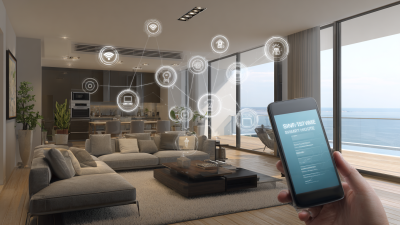
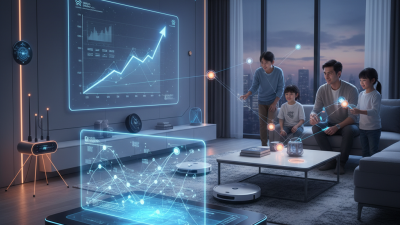
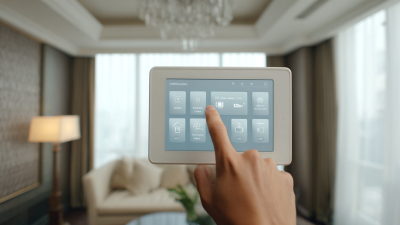
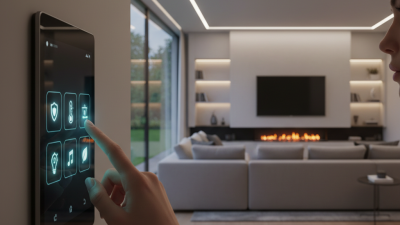
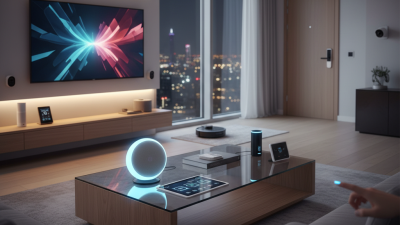
Lately, it feels like Smart Home tech has really changed how we live day-to-day. Devices meant to make life easier are more within reach than ever before. Big names like Google, Amazon, and Philips are constantly coming out with new gadgets, making our homes more convenient and secure—it's pretty impressive.
That said, with so many options out there, it can be pretty overwhelming trying to figure out what's worth it. One of the tricky parts is finding that sweet spot between functionality and price. Sure, smart speakers are great and all, but they come in all sorts of price tags and perform quite differently. Taking the time to compare and choose wisely really pays off when setting up your Smart Home.
And honestly, security is super important when it comes to Smart Homes.Smart Home Home Securitydevices give you peace of mind, letting you keep tabs on your home remotely. But these systems can sometimes seem a bit complicated or intimidating. Finding that balance between something easy to use and packed with features might take some digging and research. Still, once you get it set up right, a well-connected Smart Home can really boost your comfort and safety—definitely worth the effort.
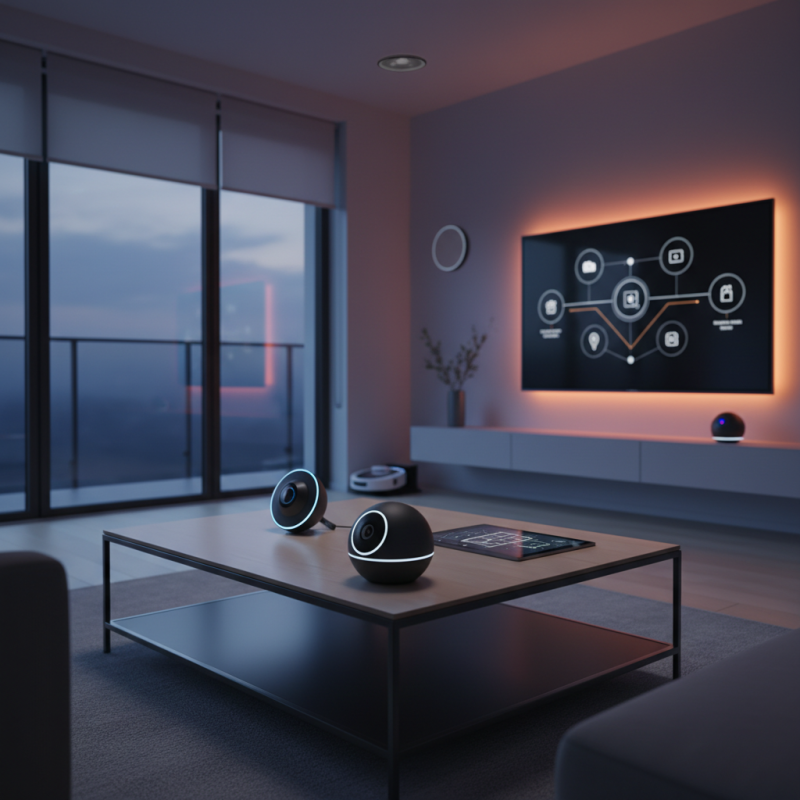
Overview of Smart Home Technology Trends
Smart Home Technology is rapidly evolving. Devices are becoming more connected and capable. This transformation enhances convenience and efficiency in everyday life. Many homes now feature smart lighting, temperature control, and security systems. These advancements create a seamless living experience.
Connectivity is a key trend in Smart Home tech. Devices often work together through hubs. This integration allows for automation of daily tasks. For instance, morning routines can include adjusting the thermostat and starting coffee machines. However, reliance on technology raises questions about privacy and security. As devices collect data, they may expose personal information.
User experience also plays a vital role. Devices must not only be functional but also intuitive. Many users face challenges with setup and connectivity. This can lead to frustration. The industry should focus on creating more user-friendly interfaces. Providing clear guidance can make technology accessible to everyone. Improving these areas will help enhance overall satisfaction with Smart Home Systems.
Top 10 Smart Home Devices to Transform Your Living Space
| Device | Functionality | Key Features | Average Price |
| Smart Thermostat | Temperature Control | Energy-saving, Wi-Fi enabled, Mobile app control | $250 |
| Smart Light Bulbs | Lighting Control | Color changing, Voice control, Scheduling | $20 |
| Smart Security Camera | Surveillance | Two-way audio, Night vision, Motion detection | $150 |
| Smart Lock | Keyless Entry | Remote access, Auto-lock, Access logs | $200 |
| Smart Speaker | Voice Assistant | Music playback, Smart home control, Voice commands | $100 |
| Smart Plug | Power Control | Remote on/off, Energy monitoring, Scheduling | $30 |
| Smart Smoke Detector | Safety Alerts | Smart alerts, Mobile notifications, Self-check | $120 |
| Smart Hub | Central Control | Device integration, Voice control, Automation | $150 |
| Smart Refrigerator | Food Management | Inventory tracking, Recipe suggestions, Touchscreen | $2,000 |
| Smart Coffee Maker | Brew Control | Programmable, Mobile app, Voice control | $150 |
Key Features to Consider When Choosing Smart Home Devices
When choosing smart home devices, consider connectivity options first. Many devices connect via Wi-Fi or Bluetooth. Make sure your home infrastructure can support these connections. Wireless devices offer flexibility, but wired ones may provide more reliability.
Think about compatibility with other devices too. A smart home is only as good as its ability to communicate. Ensure that the devices you pick can work together seamlessly. This can prevent potential headaches.
Battery life is crucial as well. A device that needs frequent charging can become a hassle. Opt for options that feature long battery life or can be hardwired. It’s a small detail that can make a big difference in daily use.
Lastly, always be aware of data privacy. Some devices collect personal information. Make informed choices that prioritize your security and privacy. You want tech that enhances your life, not complicates it. Pay attention to these aspects to create a functional and secure smart home.
Top Smart Home Devices for Security and Surveillance
The rise of smart home devices has reshaped how we approach security and surveillance. According to recent industry reports, 70% of homeowners consider smart security systems essential for their peace of mind. These devices offer real-time monitoring, alerts, and remote access, empowering users to manage security from anywhere. Motion sensors and cameras provide vital data, but their effectiveness often depends on proper placement and configuration.
Intrusions can happen even with advanced technology. A survey indicated that 30% of users found their systems challenging to set up or troubleshoot. This reflects a gap in user experience that still exists. While many devices integrate easily with smartphones, improper installation may leave blind spots. Regular updates and maintenance are crucial to ensure these devices work effectively. Acknowledging these potential pitfalls can lead to better security practices.
User feedback emphasizes the importance of reliable connectivity. A weak internet signal can render even the best system ineffective. Many devices require a stable connection for continuous monitoring. As technology evolves, users must remain vigilant and adaptive. Balancing technology benefits with practical challenges ensures a more secure living environment.
Best Smart Speakers for Smart Home Integration
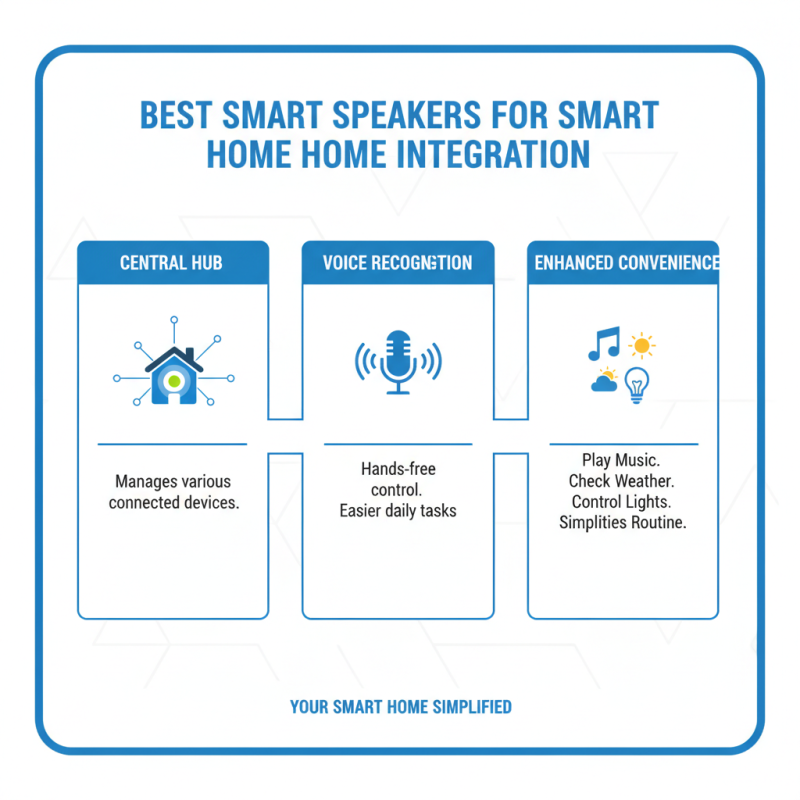
Smart speakers have become essential in today’s Home Automation Smart Home setups. They act as the central hub for managing various connected devices. These speakers use voice recognition for hands-free control, making daily tasks easier and enhancing convenience. Whether you want to play music, check the weather, or control your lights, a smart speaker simplifies your routine.
When selecting a smart speaker, consider its compatibility with other devices. Some may work seamlessly with different systems, while others may have limited functionality. It’s important to check the range of compatible products to avoid frustration in your smart home journey. Additionally, sound quality varies widely. Not all speakers deliver the same audio experience, so researching reviews can provide valuable insights.
Despite their many advantages, smart speakers raise privacy concerns. Users should be aware of data collection practices. Regular software updates are vital for security but can be overlooked. Therefore, keeping your devices updated is crucial. Balancing convenience with privacy requires reflection. Will the ease of voice commands override your concerns? This is a question every smart home user must consider.
Energy-Efficient Smart Devices for a Greener Home
Creating a greener home has never been easier with the rise of innovative technology. Energy-efficient smart devices play a pivotal role in reducing energy consumption. Imagine automatic blinds that adjust based on sunlight. They minimize the need for heating and cooling. Smart thermostats can learn your schedule, optimizing energy usage without sacrificing comfort.
Consider Smart Home Lighting Systems. They allow you to control brightness and color remotely. You can set timers to turn off lights when not needed. However, many people forget to utilize these features. This oversight can lead to unnecessary energy waste. By embracing these tools, your living space becomes not just more efficient, but also more sustainable.
Incorporating energy-efficient devices can seem overwhelming. Some may struggle with the initial setup or technology glitches. There’s always a learning curve. Yet, taking small steps can make a significant impact. For instance, switching to LED bulbs in your smart home lighting system can reduce energy costs. Each choice contributes to a healthier planet.
Top 10 Smart Home Devices to Transform Your Living Space
This chart displays the energy efficiency ratings of the top 10 smart home devices, highlighting their potential to enhance your living space while promoting a greener lifestyle.
Innovative Smart Lighting Solutions for Your Living Space
Innovative smart lighting solutions can dramatically enhance the ambiance of your living space. Imagine adjusting the brightness with a simple voice command. This technology not only adds convenience but also transforms everyday activities. For instance, dimming lights during movie night creates a cozy atmosphere. It promotes relaxation and makes the experience more enjoyable.
Consider smart bulbs that change color. They can mimic natural light, helping to regulate your sleep cycles. You might want bright, energizing colors in the morning. At night, softer hues can help you wind down. This flexibility gives you control over your environment. Smart Home Central Control allows seamless integration of different devices, creating a unified experience.
But this technology isn't without challenges. Compatibility issues can arise with various devices. Not every smart bulb works with every smart hub. Careful research is vital to avoid frustration. Additionally, while setting up, you may encounter connectivity problems. Patience is essential as you adjust to this new way of living. Embracing these innovations requires a willingness to learn and adapt.
User-Friendly Smart Home Hubs for Centralized Control
In today’s digital age, smart home hubs have become essential for seamless home automation. These devices allow users to control multiple smart gadgets from one central point. According to a report by MarketsandMarkets, the smart home market is projected to grow to $174 billion by 2025. This surge in interest highlights the need for user-friendly hubs.
While many hubs offer impressive integrations, not every device excels in usability. Some users report challenges with setup and configuration. A few hubs have complex interfaces, leading to frustrated first-time users. Studies show that 30% of smart home device owners abandon setups due to difficulties. It's crucial for manufacturers to prioritize intuitive designs. Successful control experiences spark greater user engagement. Features like voice command capabilities, such as Alexa Smart Home Automation, enhance accessibility, bridging the gap between technology and everyday living.
Real-world applications reveal interesting patterns. Homeowners often misplace their hubs or forget to update software, affecting device performance. Recent surveys indicate that 40% of smart home users encounter connectivity issues. This inconsistency can lead to doubts about the effectiveness of entire ecosystems. Manufacturers need feedback loops to address these hurdles. A better understanding of user pain points will foster more reliable, smarter home environments.
Unlocking Security and Convenience: The H11F Multi-Lock Compatible Smart Building Access Panel Explained
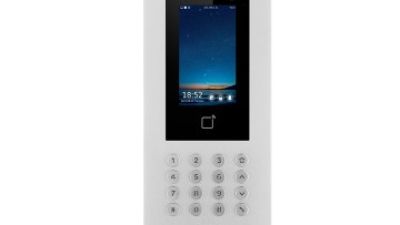
In today's fast-paced world, the combination of security and convenience is paramount, particularly in smart building environments. The H11F Multi-Lock Compatible Smart Building Access Panel epitomizes this trend by offering versatile control over various door locks, including magnetic, electric bolt, and fingerprint options. This adaptability means that property managers can easily integrate it with existing building control systems, streamlining access processes across different property types such as apartments, offices, and gated communities.
As per a recent market report from Allied Market Research, the smart building market is projected to reach over $300 billion by 2026, driven by the increasing need for efficiency and improved building management. A vital component of this growth is connected solutions like the H11F, which supports Tuya Cloud, facilitating global access and enhancing connectivity in building management systems. Its capability to support wired connections alongside smart central control panels further elevates its functionality, catering to a diverse range of users.
Moreover, the H11F's outdoor unit function integrates seamlessly with building intercom solutions, allowing for a more comprehensive security strategy. Fully customizable access control solutions enable tailored responses to specific building needs, reinforcing security while ensuring user convenience. With the evolving landscape of smart buildings, adopting innovative solutions like the H11F is essential to stay ahead in an increasingly connected world.
FAQS
: Connectivity is a major trend. Devices work together, enhancing convenience in daily life.
Smart devices offer real-time monitoring and remote access. Users can manage security from anywhere.
Many users find setup and connectivity challenging. This often leads to frustration and potential security gaps.
They reduce energy consumption. Automatic blinds and smart thermostats optimize energy usage for comfort.
A weak internet signal can render systems useless. Proper placement of devices is also critical.
Many users forget to use their features, leading to energy waste. Awareness is key for efficient use.
The initial setup can be confusing. Technology glitches may add to the learning curve.
Creating intuitive interfaces and clear guidance can enhance user satisfaction and accessibility.
Regular updates keep devices functioning well. Neglecting maintenance can create security vulnerabilities.
Small changes, like switching to LED bulbs, can significantly lower energy costs and promote sustainability.
Conclusion
Smart home technology is rapidly transforming living spaces, providing convenience, security, and energy efficiency. When choosing smart home devices, it's essential to consider key features such as compatibility, ease of use, and energy consumption. Security and surveillance devices are critical for protecting your home, while smart speakers play a vital role in integrating various devices for seamless control.
Energy-efficient smart devices contribute to a greener environment, and innovative smart lighting solutions enhance the ambiance of any room. Additionally, user-friendly smart home hubs enable centralized control, simplifying the management of all connected devices. Embracing these advancements in smart home technology can significantly enhance your living experience, creating a more comfortable and efficient household.