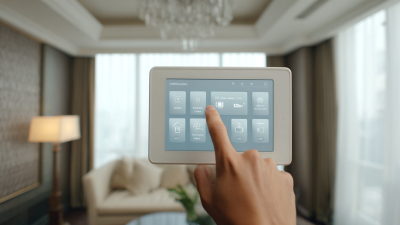
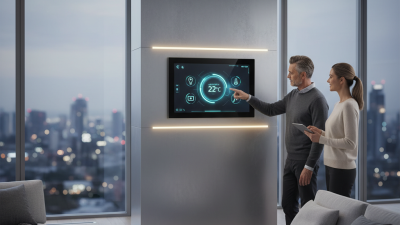
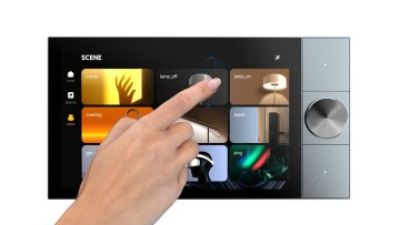
These days, with the whole smart tech scene booming, you can really see the demand for Smart Panels taking off. Companies like Legrand and Schneider Electric are leading the charge, bringing some pretty innovative solutions to the table. Basically, these panels act like the central nerve centers for managing your home systems smoothly and all in one place. That said, competition's pretty fierce out there.
Picking the right one can seriously make a big difference in how you experience your Smart Home. For example, anAndroid Smart Home Control Panel can boost your connectivity and make things way easier to use. Of course, manufacturers throw in all kinds of features, but not all quality is equal. Some panels have clunky, confusing interfaces—trust me, that can get super frustrating fast. Others might not play nicely with all your other smart gadgets, which kind of defeats the purpose.
Honestly, choosing the best OEM can feel like a bit of a headache — every company's got its own pros and cons. Doing your homework and comparing your options is key to finding the right fit for your needs. When you pick wisely, a Smart Panel can really be a game-changer. But, it’s gotta tick all your boxes, or it’s not worth it. This guide’s here to share some insights and quotes from industry experts to help you make a smart, confident decision.

Overview of OEM Smart Panels in the Chinese Market
The market for OEM Smart Panels in China is rapidly evolving. These devices are gaining popularity for their versatility. Many consumers seek innovative solutions for automation and connectivity. Smart Panels allow users to control various devices. It simplifies life at home and in the office. Features often include touch screens, voice control, and remote access.
Chinese manufacturers are responding to this demand with diverse offerings. They produce panels that cater to different user needs. Some may focus on aesthetics, while others emphasize functionality. However, the variety can lead to confusion. Buyers must navigate a crowded market. It's not always easy to identify the most reliable options. Some products may not meet performance expectations. Quality checks and certifications are crucial to verify claims.
The Smart Panel landscape is not without challenges. Businesses may struggle to find the right supplier. Communication barriers can complicate negotiations. Additionally, after-sales support is a vital factor. Many manufacturers still need improvement in this area. Customers often report diverse experiences post-purchase. Exploring customer feedback is essential. This helps in making informed decisions in such a dynamic market.
Key Features of Smart Panels for Businesses
Smart Panels have revolutionized the way businesses operate. They allow for seamless control over various systems. One key feature is their integration capability with IoT devices. A recent report from MarketsandMarkets highlighted that the Smart Panel market is expected to grow at a CAGR of 23.2% from 2021 to 2026. This indicates a strong demand in the business sector.
Zigbee Smart Paneltechnology is gaining traction for its low power consumption. Businesses benefit from reduced energy costs. These panels work efficiently with a variety of sensors and devices, offering flexibility. Data from Technavio shows that Smart Panel solutions can increase operational efficiency by up to 30%. This significant improvement is making them essential tools.
Tips: When choosing a Smart Panel, consider compatibility. Not all Smart Panels support every device. Test integrations before finalizing your purchase. Additionally, monitor the performance regularly. If you notice discrepancies, it may signal a need for recalibrations or updates. Always be prepared for some trial and error in implementation. Balancing efficiency with ongoing feedback is vital for success.
Top 10 OEM China Smart Panel Features for Businesses
Top Factors to Consider When Selecting OEM Smart Panels
When selecting OEM Smart Panels, several factors come into play that can significantly affect your business needs. One crucial aspect is compatibility with existing systems. Ensure the panels work seamlessly with your current technology. If they don’t, you might face costly adjustments later.
Another important factor is customization options. Many OEMs offer various designs and features. This flexibility allows you to tailor the panels to your specifications. However, striking a balance between customization and cost is essential. Always consider if the added features truly enhance functionality.
Quality control is also vital. Investigate the manufacturer's quality assurance processes. Poorly made panels can lead to failures and customer dissatisfaction. Additionally, lead times are worth examining. Long waits for products can disrupt your operations. Reflect on your priorities. It’s about more than just price; reliability ensures long-term business success.
List of Leading Manufacturers of Smart Panels in China
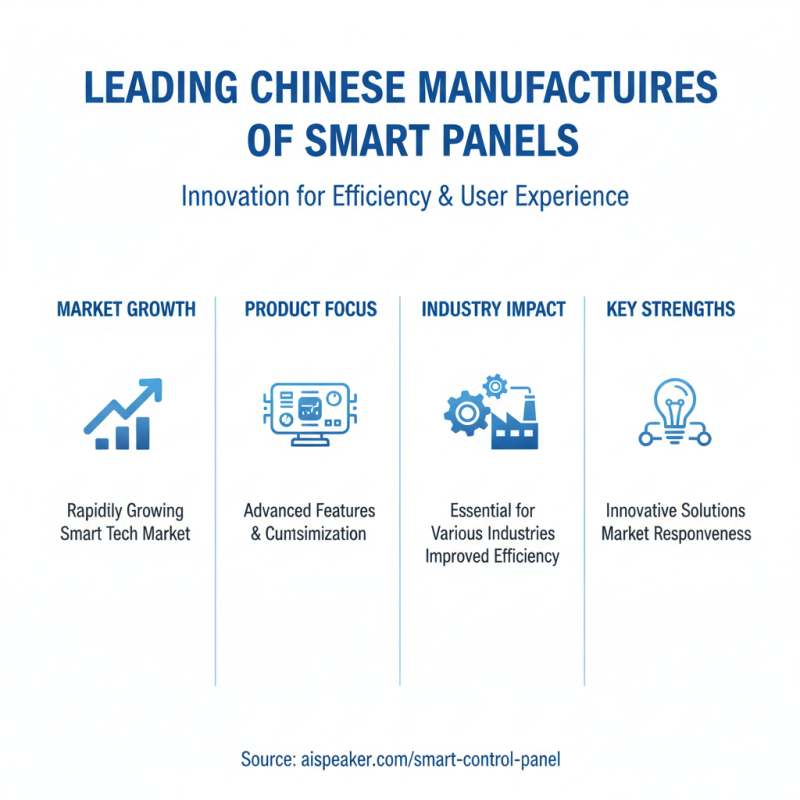
In the rapidly growing market for smart technology, Smart Control Panels are becoming essential for various industries. Many manufacturers in China are leading the charge. They provide innovative solutions for businesses looking to improve efficiency and user experience. These manufacturers focus on advanced features, customization, and responsiveness to market demands.
Some companies stand out in their commitment to quality and innovation. They offer a range of smart control panel options tailored to various applications, from industrial automation to Smart Homes. However, the challenge lies in selecting the right manufacturer. Not all manufacturers guarantee the same level of reliability or support. It’s essential for businesses to conduct thorough research.
Assessing each manufacturer’s reputation can help in making informed decisions. User reviews and case studies provide valuable insights. Balancing quality with cost is another key aspect. Some manufacturers may compromise on performance for a lower price. This could lead to future complications. It’s paramount to weigh these factors carefully to meet specific business needs effectively.
Comparative Analysis of Pricing Strategies for Smart Panels
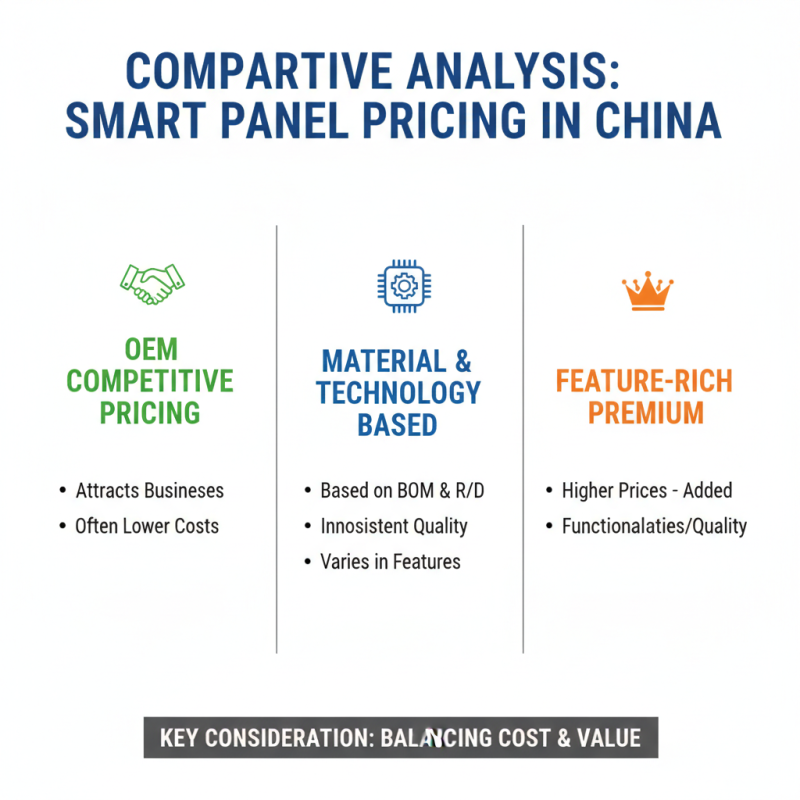
When evaluating pricing strategies for smart panels in China, it's essential to consider various factors. OEM manufacturers often employ competitive pricing to attract businesses. Many companies price their products based on materials and technology used. However, this approach can lead to inconsistent quality. Some may offer lower costs but compromise on features. Others may have higher prices with added functionalities.
Market research shows that pricing can vary significantly. It depends on the target audience and market demand. For instance, custom features often lead to higher prices. Yet, this might not always justify the cost. Businesses should weigh the benefits against their budget constraints. Analyzing the scope and potential return on investment can be crucial.
Furthermore, transparency in pricing is often lacking. Hidden fees can surprise buyers after initial agreements. Comparing quotes from different OEMs is vital for making informed choices. Reflection on previous purchases may highlight mistakes. This can guide future decisions for better profitability. Balancing quality and cost remains a challenge in this dynamic market.
Customer Reviews and Feedback on Selected OEM Smart Panels
Customer feedback plays a vital role in understanding the effectiveness of OEM smart panels. Users often highlight the ease of use that a Smart Home Touch Panel offers. Many appreciate the intuitive interface that simplifies daily operations. However, some users report occasional glitches in software updates, which can be frustrating.
The quality of materials used in these panels also receives diverse opinions. Certain products impress users with their sleek designs and responsive touch capabilities. Yet, a few customers mention that the build quality did not meet their expectations, leading to doubts about durability. It's essential to note both positive and negative reviews can guide potential buyers.
Installation experiences vary widely among customers. While some find the process straightforward, others encounter complications. This inconsistency can be concerning for non-technical buyers. User reviews emphasize the importance of clear installation instructions. Overall, reading customer feedback is crucial for making an informed decision about which smart panel fits your business needs.
Future Trends in Smart Panel Technologies and Applications
The future of smart panel technologies is exciting and full of potential. Emerging trends indicate that these devices will increasingly integrate artificial intelligence. Users might expect more intuitive interactions with their Smart Home Control Panel. This evolution will likely make daily tasks simpler and faster.
Smart panels are also projected to adapt to various environments. They could become essential in other sectors, such as healthcare and education. Imagine a smart panel in a hospital, delivering critical information instantly. However, there may be challenges in data privacy and user interface design. Not all users find smart technology easy to navigate.
Moreover, sustainability will play a crucial role in smart panel development. Many manufacturers are exploring eco-friendly materials. This focus could reduce electronic waste significantly. Yet, the shift to greener technologies often comes with higher costs. Balancing affordability and sustainability remains a tricky issue. The future holds promise, but obstacles must be addressed.
Maximize Your Home Efficiency with the S10 Smart Home Central Control Panel: A Comprehensive Guide to Smart Living
The S10 Smart Home Central Control Panel is a cutting-edge solution designed to elevate smart living by maximizing home efficiency. Featuring a triple-mode interaction system—knob, button, and touch—users can customize functions for seamless control of lighting, temperature, and music, all at the touch of a button. Such flexibility not only enhances user experience but also aligns with industry trends indicating that smart home devices can reduce energy consumption by up to 30%, significantly lowering utility bills while promoting sustainability.
Equipped with a high-definition 10-inch IPS screen boasting a resolution of 1280*800, the S10 serves as a centralized hub for all connected devices, scenes, and applications. A recent report by the Smart Home Market indicates that centralized systems like the S10 contribute to a more streamlined and user-friendly interface, where homeowners achieve greater oversight of their environments with minimal effort. The intelligent adaptation feature, including an ambient light sensor for automatic dimming, further optimizes energy use, adjusting the atmosphere of your home to meet both functional needs and aesthetic preferences.
Additionally, the S10's multi-version compatibility—covering smart central control, background music, and KNX—ensures that homeowners can integrate various control types and communication protocols within their existing smart home ecosystem. This versatility supports both wireless and local area network (LAN) control, facilitating enhanced connectivity and user experience. With the ability to manage building intercom systems and other smart features, the S10 Smart Home Central Control Panel is at the forefront of a technological revolution that places comfort, efficiency, and control firmly in the hands of homeowners.
FAQS
: Manufacturers often base prices on materials and technology used. This can lead to quality inconsistencies.
Market demand and target audience greatly affect pricing strategies. Custom features typically lead to higher prices.
Low prices can compromise features. It's essential to evaluate the benefits against your budget constraints.
Hidden fees can surprise buyers later. Clear pricing helps customers make informed decisions and avoids misconceptions.
Reading customer reviews can reveal both strengths and weaknesses of products, aiding in better purchasing choices.
Some customers find installation straightforward, while others encounter complications, stressing the need for clear instructions.
Users have reported occasional glitches during software updates. This can be frustrating and should be considered.
Balancing quality and cost is challenging. Reflect on previous purchases to guide better future decisions.
Assess the features, durability, and user feedback to ensure the product aligns with business needs.
While many reviews offer insights, remember they can be subjective. Look for patterns in both positive and negative feedback.
Conclusion
The article provides a comprehensive overview of OEM Smart Panels in the Chinese market, highlighting their key features and the factors businesses should consider when selecting these innovative products. Emphasizing the versatility of Smart Panels, the piece discusses necessary functionalities such as touch responsiveness, connectivity options, and energy efficiency that appeal to various business needs.
Furthermore, the article explores leading manufacturers in China and offers a comparative analysis of their pricing strategies, helping businesses make informed decisions. Customer reviews and feedback are also addressed, providing insights into user experiences with selected OEM Smart Panels. Lastly, it discusses future trends in Smart Panel technologies, indicating how advancements may shape their applications across different sectors, thus reinforcing their significance in the evolving tech landscape.

 +86-13760248334
 CONTACT x-focus
 CONTACT x-focus