In today’s super busy world, it's more important than ever to understand how Intelligent Devices are changing the game when it comes to global sourcing. These gadgets are really transforming industries, making things more efficient, and sparking new innovations. Big names like Amazon and Siemens are actually leading the way—showing how these devices can help streamline their operations and make smarter decisions.
But, let’s be real—things don’t always go perfectly. Companies need to take a step back and really think about what they need before jumping headfirst into using these tools. Some manufacturers, for instance, have hit snags with integrating these devices into their existing setups, which has caused production delays and frustrations. It just goes to show—you gotta do your homework and plan things out carefully when you decide to bring these devices into your workflow.
All in all, the growing popularity of these devices signals a big shift in how businesses approach sourcing. More and more companies are starting to see how tapping into data-driven insights from Intelligent Devices can give them a serious edge. But, at the same time, it’s crucial to stay grounded—know what benefits you can realistically expect and be prepared to handle the tricky parts. Navigating this new territory is all about finding the right balance and staying flexible along the way.

Understanding Intelligent Devices in Global Sourcing
In today's dynamic market, Intelligent Devices play a crucial role in global sourcing. Understanding theseSmart Devices can enhance efficiency and decision-making. They gather real-time data that helps businesses assess supplier performance. With the right insights, companies can make informed choices swiftly.
Integrating smart devices requires careful planning. Many businesses overlook the training needed for staff. Employees must understand how to utilize these technologies effectively. This often leads to wasted potential and frustration. Regular training sessions can bridge this gap, empowering teams to maximize the benefits of Intelligent Devices.
Embracing Intelligent Devices can feel overwhelming. Companies may struggle with data management and analysis. It’s important to prioritize user-friendly interfaces. This reduces the learning curve and fosters greater adoption among employees. Additionally, ensure clear communication about the expected outcomes from using smart devices. This creates a shared vision and drives collective commitment. Focus on the journey of adaptation, recognizing that challenges can offer valuable lessons along the way.
Top 10 Intelligent Devices for Global Sourcing
Key Features of Intelligent Devices for Effective Sourcing
Intelligent Devices are transformingglobal sourcing strategies. Companies leverage these technologies to enhance efficiency. Intelligent Building Systemsare among the most impactful innovations, streamlining operations and optimizing resource use. According to a report by Deloitte, organizations adopting Intelligent Devices see a20% increase in productivity.
Key features of these devices include real-time data analytics. This capability allows firms to make informed decisions swiftly. Effective sourcing depends on timely insights into supply chain dynamics. A research study showed that 75% of supply chain leaders consider real-time data crucial. These insights can highlight bottlenecks or forecast market demands.
Automationis another critical feature. Intelligent Devices automate repetitive tasks, reducing human error. This leads to significant cost savings and improved accuracy. However, businesses must remain vigilant about system vulnerabilities. Reports suggest that29% of organizations faced security threats due to inadequate cybersecurity measures. Embracing intelligent technology offers advantages, but companies must tread carefully in their implementation.
Top Intelligent Devices Transforming the Sourcing Landscape
The sourcing landscape is rapidly evolving due to advancements in Intelligent Devices. According to a report by Markets and Markets, the global intelligent device market is expected to reach $150 billion by 2025. Such growth highlights the transformative potential of these technologies in various sectors, including manufacturing and logistics.
Intelligent Buildings are reshaping how organizations manage resources. They utilize IoT sensors to monitor energy consumption, minimizing waste. A study from McKinsey indicates that building automation can reduce energy use by about 15-20%. This not only cuts costs but also enhances sustainability efforts. However, the initial investment and technical challenges in integrating new devices can deter companies from making this change.
Moreover, the demand for real-time data is increasing. Intelligent devices provide insights that improve decision-making. Companies leveraging data analytics report a 10-15% increase in operational efficiency. Yet, while data can guide strategies, reliance on technology raises questions about privacy and data security. Organizations must ensure robust protocols to protect sensitive information as they integrate these devices into their sourcing processes.
Impact of AI and Automation on Global Sourcing Strategies
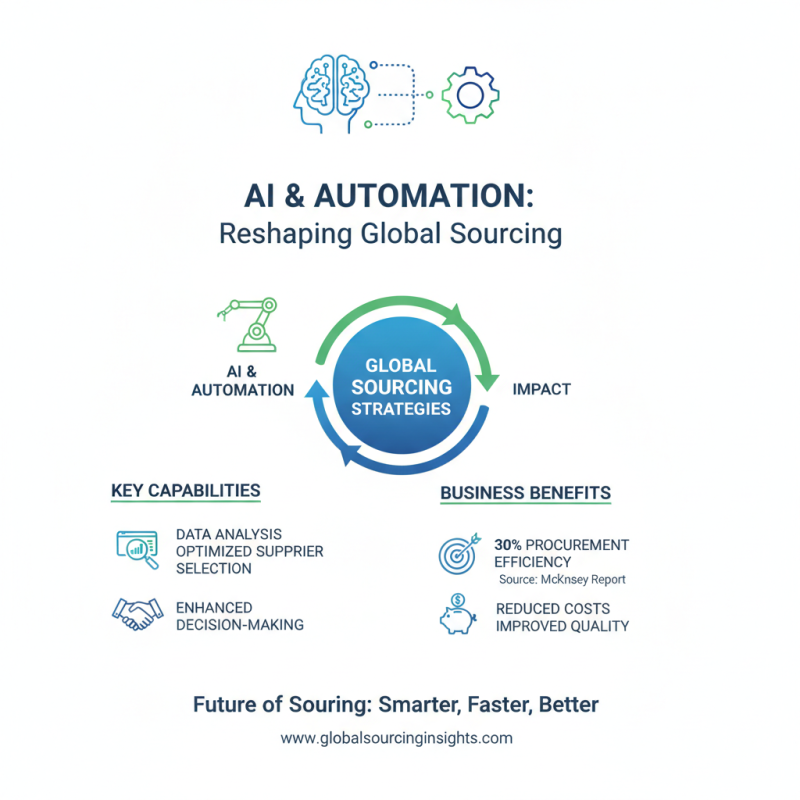
Artificial Intelligence (AI) and automation are reshaping global sourcing strategies. According to a McKinsey report, companies using AI have improved their procurement efficiency by 30%. This technology analyzes vast data sets to optimize supplier selection. Such capabilities enhance decision-making in sourcing, allowing businesses to reduce costs and improve quality.
Automation also streamlines operations, reducing lead times. A report from Deloitte indicates that 79% of businesses that implemented automation saw enhanced agility. However, reliance on technology can introduce risks. Over-automation might result in missed opportunities and hinder human insights in negotiation processes.
**Tip:** Maintain a balance between automation and human oversight.
Businesses should also consider the evolving skills needed in the workforce. As AI takes over routine tasks, employees must develop analytical and strategic capabilities. A survey by PwC revealed that 54% of executives believe upskilling their workforce is crucial for staying competitive.
**Tip:** Invest in training programs to equip staff with AI-related skills.
Awareness of these trends is essential for successful global sourcing. Embracing AI and automation offers significant benefits, but businesses must remain vigilant about the potential pitfalls. Balancing technology with human expertise will drive better sourcing outcomes.
Evaluating Cost-Effectiveness of Intelligent Devices in Sourcing
The cost-effectiveness of intelligent devices in global sourcing is a vital consideration. These devices can streamline operations and improve efficiency. However, it's essential to weigh their costs against benefits. Many intelligent devices come with high upfront costs. Assessing the long-term return on investment is crucial. Businesses often overlook these complexities.
Every device has its hidden costs. Maintenance, software updates, and training require additional budgets. Companies must also account for potential disruptions during the implementation phase. Such factors can impact overall sourcing costs. A thorough analysis of lifecycle expenses is needed. Gathering data on user experiences helps in this evaluation.
Moreover, while intelligent devices enhance productivity, they don't eliminate human oversight. Over-reliance can lead to complacency. Regular audits and assessments are necessary to ensure optimal operation. The balance between automation and human input is delicate. Making decisions based solely on perceived savings can backfire, leading to unexpected challenges in sourcing strategies.
Future Trends: Intelligent Devices Shaping Global Supply Chains
Intelligent devices are revolutionizing supply chains. These technologies improve efficiency and enhance decision-making. With real-time data analysis, businesses can respond quickly to market demands. Sensors monitor inventory levels and usage patterns, optimizing stock management.
However, challenges remain in implementation. Not all companies have the resources for seamless integration. Data security is also a significant concern. Vulnerable networks can expose sensitive information. Educating teams on cybersecurity practices is essential for safe operation.
As intelligent devices evolve, their influence on global sourcing grows. Companies must adapt to stay competitive. Balancing innovation with existing processes involves constant reflection. The race for efficiency can overshadow essential ethical considerations, making it crucial to maintain a holistic view in this rapidly changing landscape.
Case Studies: Success Stories Using Intelligent Devices in Sourcing
In the realm of global sourcing, intelligent devices have become game-changers. One notable case involves a mid-sized manufacturing firm that incorporated real-time data analytics into its supply chain. By utilizing smart sensors, this company could track materials and inventory levels more efficiently. Their accuracy improved, reducing excess stock and minimizing waste. Employees reported feeling empowered. They made data-driven decisions instead of relying on intuition.
Another compelling example comes from a logistics company using AI-powered forecasting tools. These devices analyze historical data and market trends, predicting demand with remarkable precision. However, the company faced challenges. Some forecasts were inaccurate due to unexpected global events. This experience highlighted the importance of flexibility within sourcing strategies. The team learned to adapt and modify their approaches swiftly.
Lastly, organizations have embraced blockchain to ensure transparency in sourcing. By recording every transaction securely, stakeholders can verify the authenticity of their products. Although beneficial, the transition to this technology can be slow. Many employees need training to understand blockchain's complexities. These examples showcase the potential of intelligent devices while also highlighting areas for growth and reflection.
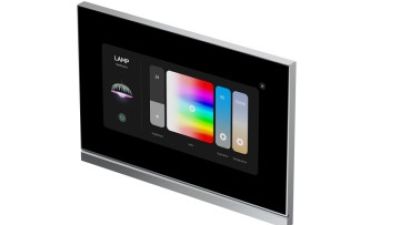
Exploring the Benefits and Features of the P8 Multi-protocol Intelligent Gateway for Modern Connectivity Solutions
The P8 Multi-protocol Intelligent Gateway stands at the forefront of modern connectivity solutions, combining versatility and advanced technology in a single device. With its all-round integration, it amalgamates the functions of a gateway, music system, and intercom, addressing the diverse needs of contemporary households. A recent industry report indicates that the global smart home market is projected to reach $174 billion by 2025, driven by the demand for multifunctional devices that can streamline home automation and enhance user experience.
The P8’s design is not just functional but also aesthetically pleasing, featuring a CNC full-metal body that exudes durability and high-end appeal. Such attributes resonate with the shifting consumer preference towards premium smart home devices, as indicated by a 2023 survey showing that 68% of homeowners prioritize quality materials in their smart technology choices. Additionally, with audio zoning capabilities that support dual-zone music playback, users can enjoy seamless sound distribution throughout their home, catering to different preferences in various areas.
Furthermore, the personalized customization feature of the P8 allows users to configure the home screen menu based on their unique usage habits, making the device more intuitive and user-friendly. As the integration of artificial intelligence in smart devices continues to rise, offering tailored experiences is increasingly important to keep pace with consumer expectations, highlighting the P8’s innovation in this evolving landscape.
FAQS
: They enhance efficiency and streamline operations in global sourcing strategies.
Companies using them often see a 20% increase in productivity.
It allows businesses to make informed decisions swiftly.
About 75% of supply chain leaders find it crucial for insights and forecasting.
Automation reduces human error and significantly cuts costs.
Yes, 29% of organizations report security threats due to lack of cybersecurity.
They can reduce energy consumption by 15-20% through monitoring and automation.
Initial investments and technical issues can deter effective implementation.
It can lead to questions about privacy and necessitates strong security protocols.
They should balance innovation with ethical considerations in their processes.
Conclusion
The article "Top 10 Intelligent Devices You Must Know for Global Sourcing" explores the crucial role of intelligent devices in enhancing sourcing strategies worldwide. By understanding the functionalities and key features of these devices, businesses can optimize their sourcing processes, drive efficiency, and reduce costs. The article highlights how artificial intelligence and automation have transformed the sourcing landscape, offering insights into the most effective intelligent devices currently revolutionizing global supply chains.
Additionally, the piece delves into evaluating the cost-effectiveness of these intelligent devices and anticipates future trends that will further shape sourcing practices. Through various case studies, the article presents success stories of organizations that have successfully integrated intelligent devices into their sourcing strategies, showcasing the tangible benefits these technologies provide in streamlining operations and improving decision-making processes in the dynamic world of global sourcing.