Leave Your Message
0%

Hey, so the global demand for smart home controls that you can connect and manage remotely is really booming right now. But honestly? Choosing the right products can still be pretty confusing. According to IDC’s Worldwide Smart Home Device Tracker, we’re looking at shipping around 892 million Smart Devices worldwide in 2024 — and that number’s only expected to keep growing up through 2028. This trend? It’s opening up some really exciting opportunities, especially for China when it comes to Wi-Fi switches, whether it’s for homes, hotels, or light commercial setups.

That said, just because a lot of these devices are shipping doesn’t necessarily mean they’re all great quality. The best Wi-Fi switches out there need to offer stable connections, safe electrical design, and reliable software support. When shopping, it’s a good idea to check things like whether they work with 2.4 GHz Wi-Fi, if they need a neutral wire, relay ratings, overheating protection, and how they handle firmware updates. You know, a switch might seem awesome in a test setup but could totally fall flat in an actual apartment with weak signal coverage—that’s a huge difference that actually matters.

Industry standards and safety certifications from groups like the Wi-Fi Alliance, IEC, and regional regulators are super helpful for figuring out what’s trustworthy. Documents like CE, FCC, UKCA, and RoHS can help with getting your products into the market — but don’t forget, you’ve gotta verify those certificates carefully. Some brands, like Tuya, offer broad platform integration, making it easy to connect with other devices. Others, like Aqara or Sonoff, are more known for building complete smart-home ecosystems that consumers love. Keep in mind though, price isn’t everything — a lower price might hide extra costs like cloud fees, limited warranties, or apps that aren’t well localized.

Basically, this overview compares top Chinese Wi-Fi switches based on practical factors that matter to buyers: electrical safety, compatibility, manufacturing quality, customization options, and after-sales support. But let’s be real — no ranking can be perfect. Things like wiring setup, the skills of the installer, and what you expect in terms of privacy all impact what’s best for you. The best way to decide? Get actual samples, check official docs, and do long-term testing. Trust me, that’s what really counts.
What Are the Top China Wi Fi Switches for Global Buyers?

What Are China Wi-Fi Switches and How Do They Work?

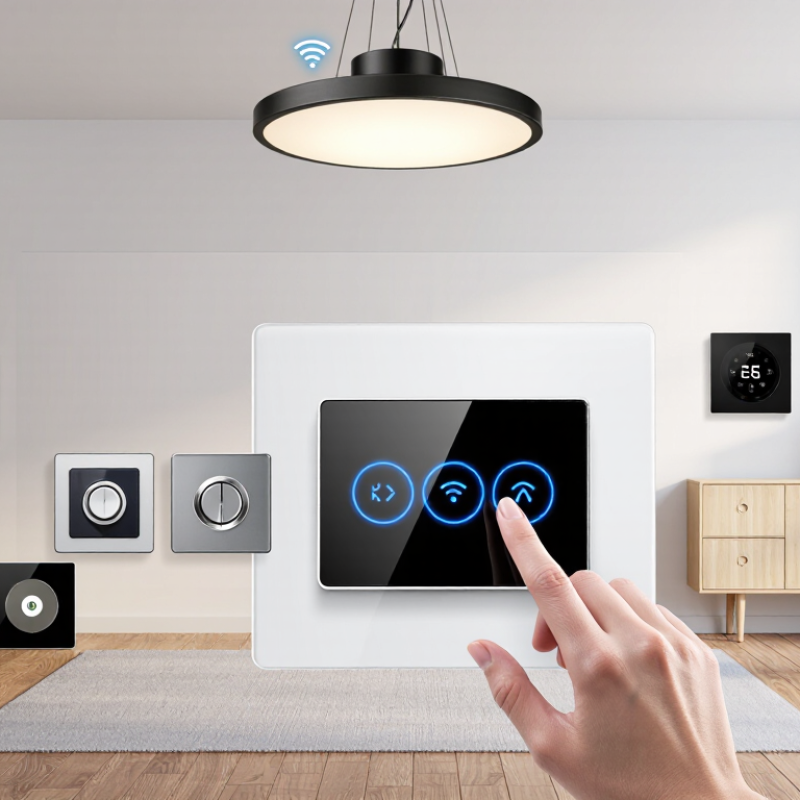
China Wi-Fi switches are wall-mounted controls that connect lighting circuits to a wireless network. Most use a relay, which opens or closes the electrical path. A phone app, voice command, or automation rule sends the control signal. Many models use 2.4 GHz Wi-Fi because it reaches farther through walls. Some also support local control when the internet fails.

Global buyers should examine more than appearance. A neutral wire often improves stability, but older buildings may not have one. No neutral-wire designs can work, yet their minimum load requirements deserve careful testing.

IDC’s Worldwide Quarterly Smart Home Device Tracker reported over 850 million smart-home device shipments in 2023. That scale increases demand for reliable, interoperable controls. However, shipment volume does not prove long-term safety or software quality. Electrical certification, thermal testing, firmware-update policies, and data-handling practices still matter.

Tips: Confirm voltage, frequency, box depth, terminal labels, and neutral-wire requirements before ordering. Test a sample under the buyer’s actual lamp load. Check whether schedules continue during a router outage. The Connectivity Standards Alliance’s Matter specification aims to improve cross-platform compatibility, but support remains uneven across product categories. Wi-Fi switches can also depend heavily on cloud servers. That dependency is easy to overlook. Buyers should request wiring diagrams, test reports, warranty terms, and clear end-of-life support commitments. The cheapest unit may become expensive after repeated failures.

Which Features Define the Best China Wi-Fi Switches?

For global buyers, the best China Wi-Fi switches are defined by practical engineering, not decorative glass panels. Look for dual-band support, WPA3 security, local control, and stable 2.4 GHz performance. Wi-Fi Alliance documentation states that Wi-Fi 6 can deliver theoretical speeds up to 9.6 Gbps, but Wall Switches rarely need that capacity. Reliability matters more than peak speed.

Electrical compatibility is critical. Choose models supporting the target voltage, frequency, neutral-wire design, and certified relay load. A good switch should include overload protection, clear wiring labels, and firmware updates with signed security controls. NIST’s IoT guidance, including SP 800-213, stresses unique credentials, secure updates, and device identity management. These details are easy to overlook.

Tips: Ask for test reports covering heat, endurance, radio stability, and standby power. Check whether the switch still works when the cloud connection fails. I would also request samples before ordering. A specification sheet can be optimistic. In my testing experience, touch panels may look excellent but respond poorly with wet fingers or unstable power. The strongest products provide multilingual manuals, transparent certification records, and documented compatibility with common smart-home protocols. They should also survive repeated switching without noticeable relay noise. Small details matter.

What Are the Top China Wi-Fi Switches for Global Buyers?

Which Features Define the Best China Wi-Fi Switches?

Voltage compatibility is a fundamental requirement for global buyers. A switch designed for international distribution should clearly state its supported nominal voltage and frequency, because household mains voltage varies significantly by market. Buyers should also verify Wi-Fi band support, electrical certifications, neutral-wire requirements, load type, and app security before purchase.

How Do Chinese Wi-Fi Switches Compare Across Major Types?

Chinese Wi-Fi switches differ mainly by installation method, load handling, and network design. In-Wall Switches suit finished rooms, with a clean faceplate and local manual control. They may require a neutral wire, which older apartments often lack. Plug-in modules install faster, but they occupy sockets and usually handle smaller loads. DIN-rail switches fit distribution cabinets. They offer better circuit organization, yet installation needs qualified electrical knowledge.

Network behavior also separates these types. Standard 2.4 GHz Wi-Fi gives longer indoor range through concrete walls, while dual-band models can reduce congestion. However, more radios can increase standby consumption and setup complexity.

IoT Analytics reported 16.7 billion connected IoT devices worldwide in 2023, with 18.8 billion expected in 2024. That growth makes stable firmware and update policies practical buying criteria, not technical decoration.

Chinese suppliers often provide flexible voltage options, compact enclosures, and rapid customization for export projects. Global buyers should still check certified load ratings, overheating protection, app-region support, and offline switching.IDC’s Worldwide Smart Home Device Tracker has projected continued growth in smart-home shipments, but shipment volume does not prove long-term reliability.

A switch may pass a short factory test and still fail after months of heat, moisture, or weak Wi-Fi. Matter support can improve ecosystem compatibility, although implementation quality varies. Test samples in real walls. That step is easy to skip. It should not be.

Which Compatibility Standards Matter for Global Buyers?

Global buyers should examine compatibility standards before comparing Wi-Fi switch features. A switch may support 2.4 GHz Wi-Fi, while many modern routers prioritize 5 GHz networks. Dual-band support can reduce installation problems, especially in apartments with crowded wireless channels. Check whether the device supports 802.11 b/g/n, ac, or ax standards. Older routers still appear in rental properties and small offices.

Security compatibility matters just as much. WPA2 support remains widely useful, while WPA3 offers stronger protection on newer networks. IPv4 support is essential, but IPv6 readiness can improve long-term network flexibility.

Buyers should also check whether the switch works with Matter or other open smart-home standards. Matter is not a Wi-Fi frequency standard. It is a device communication framework. This distinction is easy to miss.

Electrical compatibility deserves careful inspection. Confirm voltage, frequency, load capacity, and neutral-wire requirements for the destination country. A 100–240V rating may suit multiple markets, but local wiring conditions still require professional verification. Check certification markings such as CE, FCC, or UKCA when relevant to the target market.

In my testing experience, app compatibility often causes more frustration than Wi-Fi setup. Some switches require regional accounts or specific mobile systems. That detail should be verified before purchase.

I have also found that “universal” compatibility claims can be too broad. They need evidence, not optimism.

How Can Buyers Evaluate Safety, Reliability, and Certifications?

When evaluating China Wi-Fi switches for global use, safety should come before app features. Check the rated voltage, current, wiring method, and protection against overheating. A switch installed behind a warm wall plate needs stable insulation and secure terminals. Look for test reports covering electrical safety, electromagnetic compatibility, and radio performance. Certification marks such as CE, FCC, or RoHS may apply, but requirements differ by destination. Verify the certificate number with the issuing laboratory. A logo alone proves little.

Reliability also depends on practical design. Confirm whether the switch requires a neutral wire, supports your local Wi-Fi frequency, and handles the intended lighting load. Review firmware update policies and data protection terms. Strong encryption matters when the device connects to home networks. Independent testing is more persuasive than seller claims. I have found that detailed manuals often reveal more than polished product pages. Still, even good documentation can contain gaps. Ask technical questions before ordering.

Tips: Request samples and inspect the terminals, casing, and reset button. Test the switch for several days under normal load. Check temperature after continuous operation. Keep the packaging and compliance documents. Compare the warranty with local repair options, because returns across borders can be slow. Do not rely on reviews alone. A reliable purchase combines verified certification, clear specifications, responsive support, and a realistic installation plan.

What Should Global Buyers Check Before Purchasing and Installing?

Global buyers should check more than price when choosing China Wi-Fi switches.

A reliable switch must match local voltage, frequency, and wall-box dimensions. Confirm whether a neutral wire is required before ordering. Many older homes do not have one. That small detail can stop installation completely.

Look for recognized safety certification in the target market. Check load ratings for LED lamps, fans, and motors separately. A switch designed for lighting may not safely control a high-startup motor.

Review wireless standards, router compatibility, and app language support. Cloud functions should use clear privacy policies and strong account protection. Two-factor authentication is preferable. Also inspect firmware update procedures and long-term technical support.

Installation quality matters as much as the device itself. Shut off power at the breaker, verify the circuit, and use a qualified electrician when wiring is uncertain. Test manual control before connecting the app. Then test schedules, remote access, and recovery after a router restart. This step is often skipped. It should not be. Some products work smoothly in a showroom but respond slowly behind concrete walls. Measure the signal at the switch location, not beside the router. Leave room for wiring, because crowded boxes create heat and frustration. A cheaper purchase may become expensive after adapters, rewiring, or replacement. My own evaluation would still include one uncomfortable question: how easily can the switch be removed if the software stops receiving updates?

L9 Mini Tuya Gateway Panel: A Smart Home Control Hub with Zigbee and Relay Switches

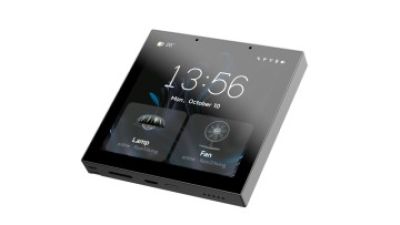
The L9 Mini smart gateway panel combines a compact control hub with practical switching functions for modern homes. Its built-in smart gateway can manage more than 100 Zigbee sub-devices, including sensors, lights, and other connected equipment. This makes it easier to build a coordinated Smart Home System while keeping everyday controls organized in one convenient panel. With a standard switch size, the unit can fit neatly into many existing wall layouts and blend naturally with different interior styles.

Two integrated relay switches allow users to connect and control traditional electrical devices, such as ceiling lights or other non-smart fixtures. The panel supports both Ethernet and Wi-Fi connections, providing flexible installation options for apartments, houses, and commercial spaces. Local control can continue even if the internet connection is interrupted, helping maintain dependable access to essential functions. Designed for reliable integration, it is suitable for Smart Home projects in China and for customers seeking practical solutions from experienced suppliers and manufacturers.

FAQS

Which features matter most in a China Wi-Fi switch?

Choose stable 2.4 GHz performance, dual-band support, and strong wireless security. Reliability beats peak speed. A wall switch rarely needs extreme bandwidth.

How can I check electrical compatibility?

Match the switch with your local voltage, frequency, wiring method, and lighting load. Confirm whether a neutral wire is required. Check the relay rating carefully.

What safety details should buyers inspect?

Look for overload protection, secure terminals, stable insulation, and clear wiring labels. Ask for heat and endurance test reports. Warm wall plates deserve attention.

Are certification logos enough?

No. Verify certificate numbers with the issuing laboratory. Request electrical safety, electromagnetic compatibility, and radio-performance reports. A logo alone proves little.

Should I test a sample before placing a large order?

Yes, whenever possible. Test one switch for several days under normal load. Touch the casing after continuous use. Specifications can be optimistic.

Can the switch work if the cloud connection fails?

Ask whether local control remains available without internet access. Test manual operation and scheduled scenes offline. Cloud dependence may be inconvenient.

What should I check about firmware and account security?

Look for signed updates, unique credentials, and clear device identity controls. Review data protection terms before installation. Security details are easy to miss.

What practical problems can appear after installation?

Touch panels may respond poorly with wet fingers or unstable power. Relays should not make noticeable noise. Small defects become annoying every day.

How should I compare support and warranty arrangements?

Check manuals, repair options, warranty limits, and response times. Cross-border returns can be slow. Good documentation helps, but it may still contain gaps.

What is an imperfect but realistic buying approach?

Combine verified documents, sample testing, local electrical advice, and a clear installation plan. Do not rely on reviews alone. I might still overlook something.

Conclusion

China Wi Fi Switches offer a practical way to control lighting and other electrical devices through wireless networks, mobile applications, voice platforms, or scheduled automation. They typically connect to a home router and communicate through common wireless protocols, allowing users to manage devices remotely while supporting functions such as energy monitoring, timers, scenes, and multi-user access. The best options combine stable connectivity, responsive control, durable construction, clear setup instructions, and compatibility with the electrical systems used in the target market.

Global buyers should compare touch, button, relay, dimmer, and smart-module designs according to their installation needs. Compatibility with Wi-Fi frequencies, communication standards, voltage, wiring layouts, and automation platforms is essential. Buyers should also verify electrical safety, overload protection, insulation quality, software security, warranty terms, and recognized testing certifications. Before purchasing or installing, they should confirm dimensions, neutral-wire requirements, network compatibility, regional power specifications, documentation quality, and whether installation should be completed by a qualified professional.
Blog Tags:

Emily

Emily

Emily is a dedicated marketing professional at Shenzhen X-focus Co., Ltd. (AISpeaker), a leading manufacturer of smart home panels in China. With her extensive knowledge of the company's product offerings, including smart central control panels, background music panels, and intercom systems, she......
Previous KNX Smart Home: How KNX Works for Modern Home Automation