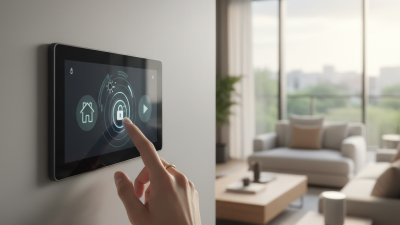
Making your home feel more in tune and chill has honestly never been easier, all thanks to Whole Home Audio Systems coming into the picture. I mean, Johnathan Smith from SoundVista, who's pretty much an expert in audio tech, says, "A good design for your audio setup can turn your house into kind of a personal concert hall." That’s a pretty cool way to look at it, right? His comment really highlights how powerful these systems can be.
Now, if you’re thinking about jumping into setting up your own Whole Home Audio system, there’s a bit more to it than just picking the fancy speakers. Things like how your house is laid out, the acoustics, and even your daily routine all matter a lot. For example, where you put the speakers can totally change how the sound comes out. It’s one of those little details you might overlook but can make a huge difference.
And honestly, a lot of homeowners get stuck trying to figure out how to get everything working smoothly. Not every system is made to just plug-and-play effortlessly. Some folks think they can do it all themselves—only to end up needing professional help, wasting time and getting pretty annoyed. It’s definitely worth thinking about those hurdles before you dive in, especially if you’re thinking about investing in a Whole Home Audio setup.
Understanding Whole Home Audio Systems: An Overview
Understanding Whole Home Audio Systems: An Overview
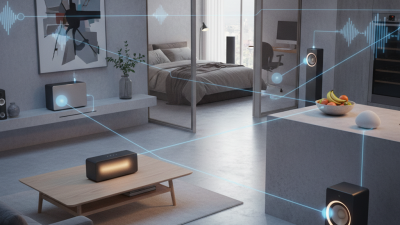
Whole Home Audio Systems allow seamless music streaming across multiple rooms. A recent report by the Consumer Technology Association shows that 70% of homes in urban areas are adopting these systems. Ease of use and versatility are two major drivers of this trend. Homeowners seek experiences that integrate technology with daily life.
Setting up a Whole Home Audio system involves quality speakers and reliable connectivity. Wired or wireless options can work, but wireless systems often lead to complications. They may suffer from latency or connectivity issues, frustrating users. Survey data reveals that 30% of consumers encounter difficulties during installation. Consideration for this detail can enhance the user experience.
Room acoustics significantly impact sound quality. Factors like wall materials and furnishings cannot be overlooked. Many systems offer sound calibration features, but they do not guarantee perfect performance. Some users might notice inconsistencies among rooms. Ideally, testing and adjustments are necessary for a truly immersive experience. Crafting an effective Whole Home Audio setup involves attention to detail, patience, and a willingness to adapt.
Key Components Needed for a Whole Home Audio Setup
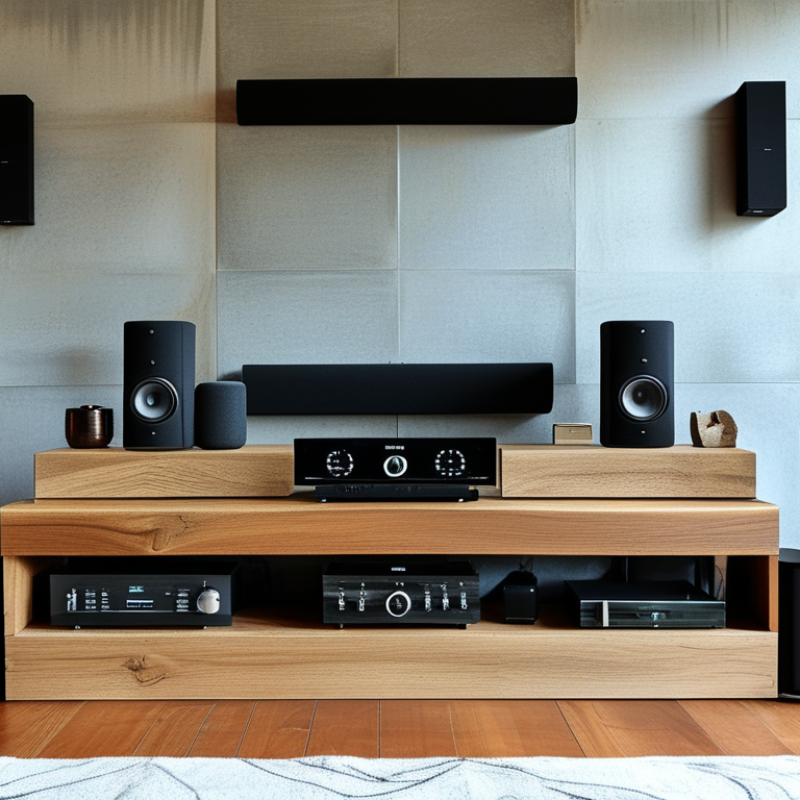
When setting up a Whole Home Audio System, several key components are essential for achieving optimal performance and convenience. Start with a reliable audio source, such as a streaming device, which can access various music services. This source should seamlessly connect to your system. Consider using a centralized hub to manage all your audio devices. This makes controlling music across different spaces easier.
Next, speakers play a vital role. You may choose in-wall or ceiling speakers for a discreet installation. These options help maintain the room's aesthetic while providing quality sound. It's important to ensure that the speakers are compatible with your system's specifications, or you may face performance issues.
Lastly, a robust amplifier can bring the entire setup to life. It boosts sound signals effectively, ensuring every room fills with rich audio. Pay attention to the wiring, too. Poor connections can lead to frustrating hiccups in your musical experience. Regularly check your system for updates and potential issues. This proactive maintenance can prevent performance drops over time and keep your Whole Home Audio Systems running smoothly.
Choosing the Right Audio Source for Your Whole Home System
When setting up a Multi Room Home Audio System, selecting the right audio source is crucial. According to a recent industry report, over 70% of users prefer streaming services for their audio needs. These platforms provide vast libraries of music, offering flexibility that traditional sources cannot match. A reliable internet connection ensures a smooth streaming experience, allowing users to enjoy high-quality sound throughout their homes.
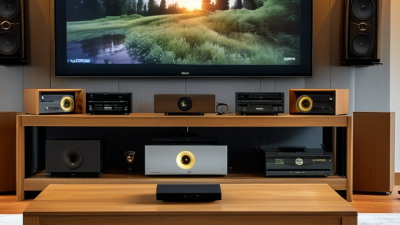
In addition to streaming services, consider using multi-source audio systems. These systems can integrate various audio sources, such as vinyl, digital music, and DVDs. A survey highlighted that 60% of audiophiles still value physical media. Physical sources often deliver sound quality that digital files may lack. Exploring a blend of sources can enhance the overall audio experience.
However, balancing different audio sources presents challenges. Audio source compatibility can be a headache. Devices may not communicate well with each other, resulting in frustrating setups. Professionals suggest mapping out your home before purchasing equipment. Understanding your space helps in designing an efficient audio setup. A well-planned system can significantly improve user satisfaction and sound quality.
Wiring and Connectivity: Essential Considerations for Installation
Wiring and connectivity are crucial for setting up a Whole Home Audio system. A well-planned wiring strategy can greatly enhance sound quality and user experience. Start by choosing the right cables. Audio quality can degrade with poor cabling. Use high-quality copper wires that minimize signal loss. Consider the length of the runs; excessively long cables can lead to interference.
Placement of your audio equipment also influences performance. Avoid running wires parallel to electrical cables. This can introduce noise and affect audio clarity. Instead, try to keep audio and power cables separate. Employing wall plates can streamline connectivity and create a clean look. It’s also wise to include extra connections for future upgrades.
Think about flexibility in your setup. The more connections you include, the easier it is to adapt. However, don’t overcrowd your wiring scheme. This can complicate troubleshooting. Sometimes, less is more. Reflect on your immediate needs while allowing for future changes. Flexibility today can save headaches later. Consider consulting with professionals if you’re uncertain. Their insights can help avoid costly mistakes.
Top Tips for Setting Up Whole Home Audio Systems - Wiring and Connectivity: Essential Considerations for Installation
| Consideration | Details |
| Cable Type | Choose between coaxial, optical, and HDMI cables for optimal audio quality. |
| Speaker Placement | Position speakers for even sound distribution throughout the room. |
| Network Connectivity | Ensure a strong Wi-Fi signal for streaming services and cloud music. |
| Power Management | Use surge protectors and power conditioners to safeguard equipment. |
| Volume Controls | Install zone controllers to manage audio levels in different areas. |
| Wireless Options | Consider wireless speakers for flexible placement and easier setup. |
Optimizing Sound Quality in Different Areas of Your Home
Optimizing sound quality in different areas of your home requires attention to detail and an understanding of how acoustics work. Research shows that sound waves can behave differently depending on the space. For instance, a recent industry report indicated that 70% of homeowners experience uneven sound distribution in their rooms. This is often caused by reflective surfaces and furniture placement.
In living rooms, try to place speakers away from corners. This reduces unwanted bass buildup. Rooms with high ceilings may require additional acoustic treatments, like wall panels. An Entire Home Audio System must account for these factors. Implementing these changes can greatly enhance your audio experience. A poorly set-up system can lead to frustration. Many users report dissatisfaction due to poor speaker placement.
Furthermore, the frequency response should vary in each area. For example, basements often have lower reverberation, which can muffle sounds. In contrast, open spaces may create an echo effect. According to a survey, 55% of homeowners find sound customization complicated. Testing different configurations is essential. A setup that works well in one area might not translate effectively to another. This process requires patience and experimentation.
Control Options: Remote Management of Your Audio System
Remote management of your audio system offers unparalleled convenience. Imagine controlling your entire home audio setup from a single device. You can easily switch songs, adjust volumes, and change channels without moving from your seat. This can elevate your listening experience significantly.
Consider using an app specifically designed for audio systems. Many platforms provide user-friendly interfaces. You'll find options to play music from various streaming services. Such flexibility is often underestimated. Sometimes, settings can become confusing or glitchy. Regularly updating the app helps maintain functionality.
Experiment with voice control options! This feature is not only innovative but can streamline your experience. You might encounter some challenges in responsiveness. A home with multiple speakers can create issues. Audio might not sync as smoothly. Finding the right balance can take time and reflection. Remember, patience is key while fine-tuning your setup.
Common Troubleshooting Tips for Whole Home Audio Systems
Setting up a whole home audio system can be tricky. Many homeowners encounter issues along the way. One common problem is connectivity. Ensure that your speakers are placed within range of the audio source. Check Wi-Fi strength if using a wireless system. Weak signals can result in dropouts and delays.
Another frequent issue is sound quality. If the audio is distorted, inspect all connections. Loose wires can lead to poor sound. Sometimes, simple adjustments to the equalizer settings can enhance audio performance significantly. Experiment with bass and treble levels to find the best balance for your environment.
Interference can also be a headache. Other electronics in your home might disrupt audio signals. If you notice hiccups in playback, move devices away from your audio system. Be mindful of other connected devices that share bandwidth with your audio system. Troubleshooting these common concerns can help optimize your listening experience.
Innovative H9 Smart Home Hub: Energy Efficiency, Reliability, and Safety from Top China Suppliers
The Innovative H9 Smart Home Hub offers an exceptional combination of energy efficiency, reliability, and safety, making it a standout choice for modern homes. Powered by a robust Linux system, this device ensures not only stable performance but also minimal energy consumption, which is vital for those looking to enhance operational efficiency. This commitment to energy efficiency is complemented by its offline functionality, enabling local control that guarantees essential devices remain operational, even during network outages. This feature provides immense peace of mind for users in any environment.
Beyond its functional attributes, the H9 Smart Home Hub is thoughtfully designed for auditory excellence. Its compact size houses four high-quality speakers, perfect for delivering premium sound in smaller spaces, enhancing the overall experience of home entertainment. Safety features are another critical aspect of the H9, incorporating advanced technologies such as over-temperature protection, overload protection, and lightning surge detection. These safety measures ensure that the device not only performs efficiently but also adheres to the highest standards of electrical safety, reassuring consumers and suppliers alike of its reliability.
FAQS
: Wiring and connectivity are essential for optimal performance and sound quality.
Poor cabling can degrade audio quality. Use high-quality copper wires to minimize signal loss.
Excessively long cables can lead to interference, impacting sound clarity.
Keep audio and power cables separate to avoid introducing noise into the audio.
Include extra connections in your wiring setup for flexibility and future changes.
Connectivity issues often arise. Ensure speakers are within range of the audio source.
Inspect connections for loose wires and adjust equalizer settings for balance.
Other electronics may disrupt audio signals. Keep competing devices away from your audio system.
Experimenting with bass and treble levels can enhance sound quality significantly.
Reflect on your immediate needs but consult professionals if you're unsure of your setup.
Conclusion
Whole home audio systems offer a seamless way to enjoy sound throughout your entire living space. Understanding the basics of these systems is crucial, beginning with an overview of their components, which typically include speakers, amplifiers, and audio sources. Selecting the right audio source is essential for optimal performance and should align with your personal listening preferences. The installation process involves careful attention to wiring and connectivity to ensure reliable sound distribution.
To enhance the listening experience, optimizing sound quality in different areas of your home is vital, taking into account factors such as acoustics and speaker placement. Additionally, various control options allow for remote management of your audio system, providing convenience and versatility. Lastly, being equipped with common troubleshooting tips can help address any issues that may arise, ensuring a consistently enjoyable whole home audio experience.