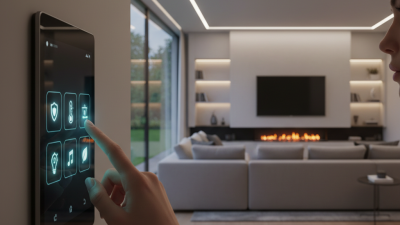
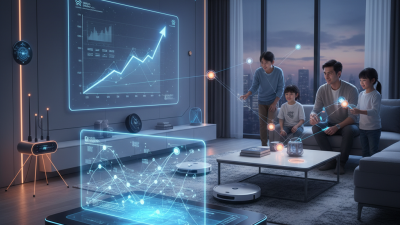
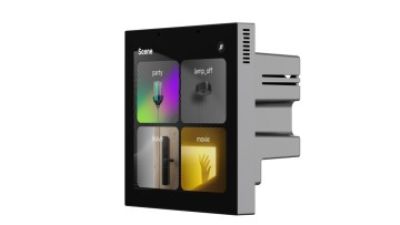
These days, energy efficiency is more important than ever — everyone’s looking for smarter ways to cut down on electricity use. Homeowners are really eager to find innovative solutions, and Smart Lighting tech is definitely leading the charge. Not only does it make life easier, but it can also help slash your energy bills. Adding aSmart Home Lighting System can really boost your home's energy performance.
A lot of families don't realize just how simple tweaks can lead to pretty big savings. For example, smart lights can automatically adjust their brightness depending on the natural light coming in — so you're not wasting energy when you don't need to. It’s a great way to keep things cozy and efficient at the same time. That said, the initial cost might seem a bit intimidating at first, but it’s worth weighing those upfront expenses against the long-term benefits. Plus, technology is moving fast, and more affordable options are popping up all the time.
That said, not all Smart Lighting Systems are created equal. Some are more reliable, easier to use, and just better overall. Do a little homework—brands like Philips Hue or LIFX usually stand out as trustworthy options. Ultimately, jumping into smart lighting can really turn your home into a more energy-friendly, inviting space. Just take a moment to think about how your choices impact the environment and your wallet — the right system can make your home both vibrant and eco-conscious without much hassle.
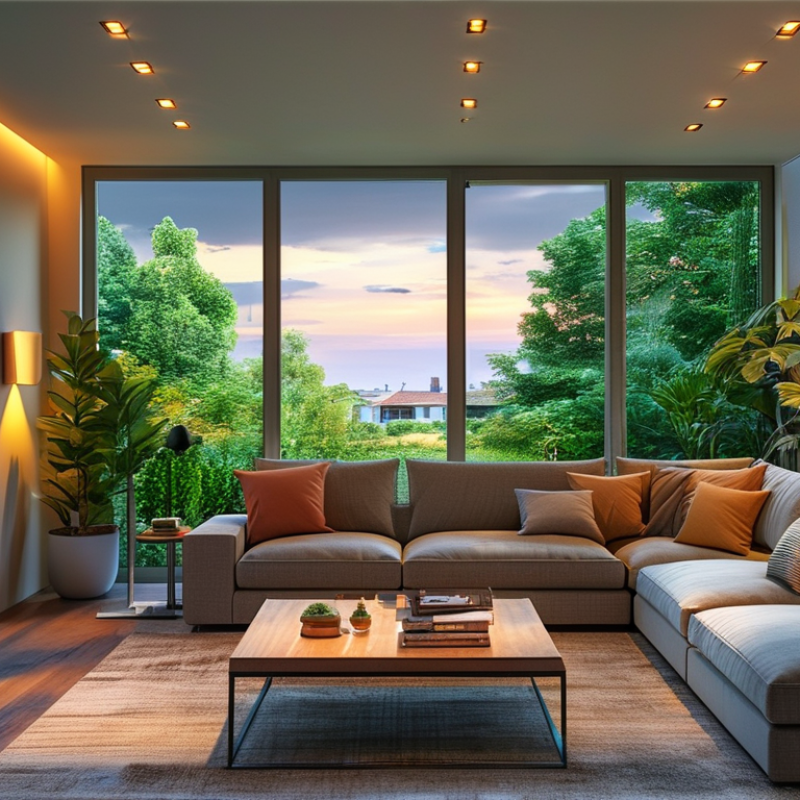
Smart Lighting: An Overview of Energy Efficiency Benefits
Smart Lighting is revolutionizing how we approach energy efficiency in our homes. It involves advanced technology that adapts to our daily routines. These systems can automatically adjust brightness based on natural light levels and occupancy. Simple sensors can turn lights off when a room is unoccupied. This capability significantly reduces energy consumption.
The benefits extend beyond saving energy. Smart Lighting enhances convenience. Imagine walking into a room and having the lights turn on without a switch. However, it can be challenging to measure the exact energy savings. Not all systems deliver consistent results. Some features may not work effectively in all environments.Homeowners should consider their specific needsbefore investing in Smart Lighting solutions.
Integrating Smart Lighting requires thoughtful planning. It's essential to assess the types of bulbs and fixtures used. Compatibility with existing wiring and technology matters. Homeowners might find thelearning curve steep. Understanding how to fully utilize the system can take time. Yet, the potential for reduced energy billsis an enticing prospect worth exploring. Smart Lighting stands at the crossroads of convenience and efficiency, making it an appealing option for modern households.
Understanding the Technology Behind Smart Lighting Solutions
Smart Lighting solutions are transforming how we illuminate our homes. These systems are powered byadvanced technologies that enhance energy efficiency. They utilize sensors and IoT connectivity, providing a seamless user experience. By responding to natural light levels, these systems can adjust brightness automatically. This creates a comfortable environment while reducing energy consumption.
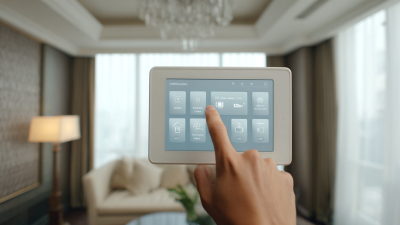
The Smart Home Lighting Control System plays a vital role in this evolution. It offers users the ability to manage their lighting from anywhere via smartphone apps or voice commands. This control not only adds convenience but also helps in monitoring energy use effectively. Users can set schedules, dim lights, or switch them off remotely. However, some may find the initial setup challenging, requiring technical support or guidance. Understanding the nuances of these systems can enhance user experience.
Moreover, while Smart Lighting promises efficiency, not all manufacturers meet high standards.It’s essential to research algorithms and energy-saving capabilities. A system that integrates well with other smart devices can maximize efficiency further. Customization options may not always be clear, leading to user frustration. Addressing these concerns can enhance overall satisfaction with smart lighting solutions.
Key Market Trends in Smart Lighting Technologies
The rise of smart lighting technologies is transforming how we manage energy consumption at home. Homeowners now favor solutions that not only enhance convenience but also promote sustainability. Smart lighting provides the ability to control lighting through apps or voice commands, making it easier to optimize energy use.
An interesting trend is the integration of sensors. These sensors adjust lighting based on natural light levels or occupancy. This means lights will only be on when needed. The convenience is attractive, but the installation can be tricky. Not everyone can install these systems easily. It may require professional help, which adds to the overall expense.
Tips: When choosing smart lighting solutions, consider your home layout. Assess where natural light enters. This will help you decide where to place smart bulbs or fixtures. Also, think about compatibility with existing devices. If you are hesitant about a complete overhaul, start with a few rooms. Small changes can lead to significant energy savings.
Another noteworthy trend is energy-efficient LED bulbs. They use less electricity than traditional bulbs. While LED options may have a higher upfront cost, the long-term savings are significant. However, remember that not all LED smart bulbs are created equal. Some may not perform as well as others. Researching reliable options is crucial for making informed decisions in your Smart Lighting Home journey.
Smart Lighting Home Solutions for Energy Efficiency
Quantifying Energy Savings: Data on Smart Lighting Efficiency
Smart lighting solutions are transforming how we manage energy use in our homes. By implementing a Smart House Lighting Control System, homeowners can significantly reduce their energy consumption. Data shows that smart lighting can save up to 30% on electricity bills. These systems utilize sensors and timers, which ensure that lights are only on when they are needed.
However, not all smart lighting solutions yield the same energy savings. Some setups may require a more elaborate installation, leading to higher upfront costs. Homeowners need to assess their current lighting needs carefully. A poorly configured system may not deliver expected savings. Choosing the right components can make a difference.
Energy-saving potential varies widely across different products and homes. It's important to conduct thorough research. Understanding how each component functions within a smart lighting setup is crucial. Regular evaluations can help homeowners identify inefficiencies. By staying informed and regularly updating their systems, they can truly optimize energy usage and lower costs in the long run.
Comparative Analysis: Smart Lighting vs. Traditional Solutions
When considering energy efficiency, smart lighting surpasses traditional solutions in many ways. Smart House Lighting systems use advanced technology to optimize energy consumption. They can adjust brightness based on natural light levels, which traditional systems cannot do. This means less energy waste and lower electricity bills over time.
Moreover, smart lighting systems offer enhanced control and customization. Homeowners can program their lights or operate them remotely. Traditional lighting lacks such flexibility and is often tied to constant use. However, this technology does come with a learning curve. Users may struggle to maximize its potential at first. Some may even prefer the straightforward operation of traditional lights.
Another point for reflection is the initial investment in smart solutions. While they can lead to long-term savings, upfront costs can be daunting. Many homeowners hesitate to switch, feeling uncertain about their returns. Balancing investment with expected energy savings can be challenging. Nonetheless, the advantages of smart lighting invite deeper exploration for those committed to energy efficiency.
Integration of Smart Lighting with Home Automation Systems
Smart lighting is transforming the way we manage energy in our homes. Integrating smart lighting with home automation systems can greatly enhance energy efficiency. According to a report by the American Council for an Energy-Efficient Economy, smart lighting technology can reduce energy consumption by up to 40%. This integration allows homeowners to control their lighting remotely, set schedules, and adapt to their daily routines seamlessly.
One effective strategy is using motion sensors alongside smart lighting. This reduces energy use significantly when rooms are unoccupied. Besides the financial savings, this setup also contributes to a lower carbon footprint. However, challenges persist. Some homeowners struggle with compatibility issues between devices. Research shows that approximately 30% of users experience difficulty in setting up their smart systems. It's crucial to choose devices known for interoperability.
Tips: Always check compatibility before purchasing. Invest in a reliable hub that connects different brands. Regularly update your software for optimal performance. Staying informed about energy trends can also guide decisions. As technology evolves, the promise of smarter energy solutions continues to grow, but caution is necessary to avoid pitfalls.
Case Studies: Successful Implementation of Smart Lighting Solutions
Implementing smart lighting solutions can significantly enhance energy efficiency in residential settings. One notable case study involves a mid-sized family home that transitioned to a smart lighting system. They replaced traditional bulbs with LED smart lights. This upgrade alone reduced energy consumption by nearly 30%. Using a mobile app, the family can control lights remotely, fine-tuning settings according to their needs. This flexibility promotes both convenience and sustainability.
In another instance, a community center adopted smart lighting to improve their energy efficiency. By integrating motion sensors, they ensured that lights only activated when rooms were occupied. The center saw a dramatic decrease in energy costs, showcasing how technology can lead to responsible consumption. However, challenges arose. Users initially struggled with the app interface. Some lighting zones were inadvertently left on. This highlighted the importance of training and user-friendly designs.
The experiences from these implementations reveal a mix of successes and areas for growth. While energy savings were substantial, user error and technology adaptation remain focal points. Continuous feedback and adjustments are essential. To fully harness smart lighting's potential, users must navigate these challenges thoughtfully.
Optimizing Smart Home Integration: Insights from Market Trends and the Impact of B8 Smart Home Hub Controller on Energy Efficiency and User Experience
As smart home technology evolves, the integration of various devices into a cohesive ecosystem has become essential for enhancing energy efficiency and user experience. The emergence of smart hubs, particularly the B8 Smart Home Hub Controller, exemplifies this trend as it aggregates multiple functions—music streaming, network gateway functionality, and comprehensive control—into a single device. According to recent market analyses, the smart home market is expected to reach a value of over $174 billion by 2025, emphasizing the importance of seamless integration in driving consumer adoption and satisfaction.
The B8 Controller stands out with its scene linkage capability, allowing homeowners to create personalized living environments by connecting devices such as door locks, lights, and music systems. This feature not only simplifies the user experience but also enhances energy management by orchestrating device operation based on user-defined routines. Reports indicate that smart home devices can lead to energy savings of up to 30%, which further motivates consumers to invest in integrated systems that promote efficiency and convenience.
Moreover, with wide compatibility across multiple communication protocols, the B8 Smart Home Hub ensures that various devices can communicate effectively, accommodating hundreds of appliances from different manufacturers. This level of adaptability is crucial in a landscape where 80% of homeowners are more likely to invest in smart technology if it assures compatibility with their existing setups. By focusing on integration and energy efficiency, the B8 Smart Home Hub Controller not only aligns with market trends but also meets the growing demand for enhanced user experiences in smart living.
FAQS
: Smart lighting technology allows control of lighting through apps or voice commands. It promotes energy efficiency and convenience.
Sensors adjust lighting based on natural light levels and occupancy. Lights illuminate only when needed, saving energy.
Assess your home layout and natural light entry points. Compatibility with existing devices is also important for easy integration.
LED bulbs are energy-efficient and reduce electricity use. They may cost more upfront but save money in the long run.
Some users find installation complex and may need professional help. Initial learning curves can also hinder effective use.
Begin with a few rooms to test the system. Gradual changes can lead to significant energy savings without overwhelming adjustments.
While not necessary, integrating smart lighting with home automation systems greatly enhances energy efficiency and control.
Many users face difficulties with device compatibility. Researching and selecting reliable brands can mitigate these challenges.
Regularly update your software for better performance and compatibility within your smart lighting system.
Yes, upfront costs can be daunting. However, balancing these with expected savings may lead to worthwhile investments in energy efficiency.
Conclusion
Smart Lighting Home solutions offer significant energy efficiency benefits by leveraging advanced technologies that optimize lighting usage. These systems not only reduce energy consumption but also enhance the overall user experience through automation and control. Understanding the underlying technology reveals how smart lighting adapts to user preferences and environmental changes, leading to a more sustainable home.
Current market trends indicate a growing shift towards integrating smart lighting with home automation systems, making it a vital component of modern smart homes. Data on energy savings highlights the impressive efficiency of these solutions compared to traditional lighting options, as supported by case studies showcasing successful implementations. By adopting Smart Lighting Home solutions, homeowners can enjoy reduced energy costs and contribute to a greener future.