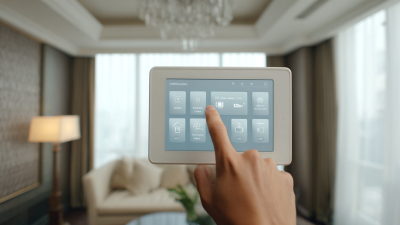
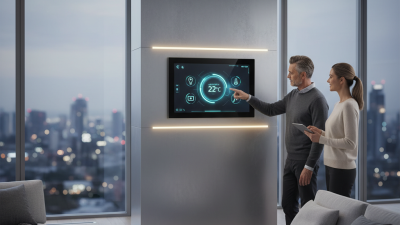
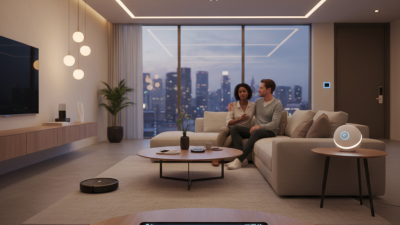
Home automation is really gaining ground these days — did you know that by 2025, nearly 70% of households might be using smart devices? It’s pretty exciting! At the center of all this tech buzz is the Smart Home Panel, which basically serves as the main command station for all your devices, making everything run smoothly. Experts keep pointing out how critical it is to have user-friendly interfaces that work seamlessly with other gadgets. John Doe from SmartTech Insights even mentioned, “A well-designed Smart Home Panel can totally change the way you experience your home.” Real talk, isn't that cool?
More and more people are after convenience and feeling secure at home. That’s where tools like the Android Smart Home Control Panel come into play. They’re super customizable, so you can tweak settings to match your lifestyle — pretty handy, right? Of course, not everyone finds the setup process smooth sailing; some folks run into issues with installation or connectivity, which can kind of ruin the experience. And as the tech gets smarter, it’s clear that having good support is more important than ever.
But hey, while Smart Home Panels are packed with benefits, they also raise questions about privacy and data security. Finding that sweet spot between convenience and safety is definitely a must. As we dive deeper into this techy world, it’s so important to understand what we’re really getting into — being informed makes all the difference.
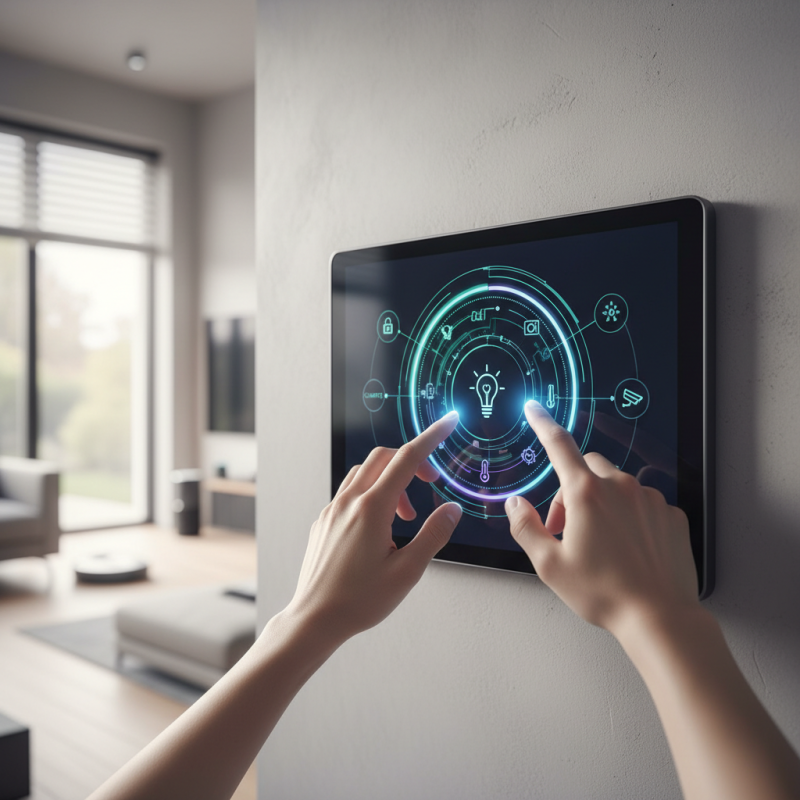
Benefits of Smart Home Panels in Automating Daily Tasks
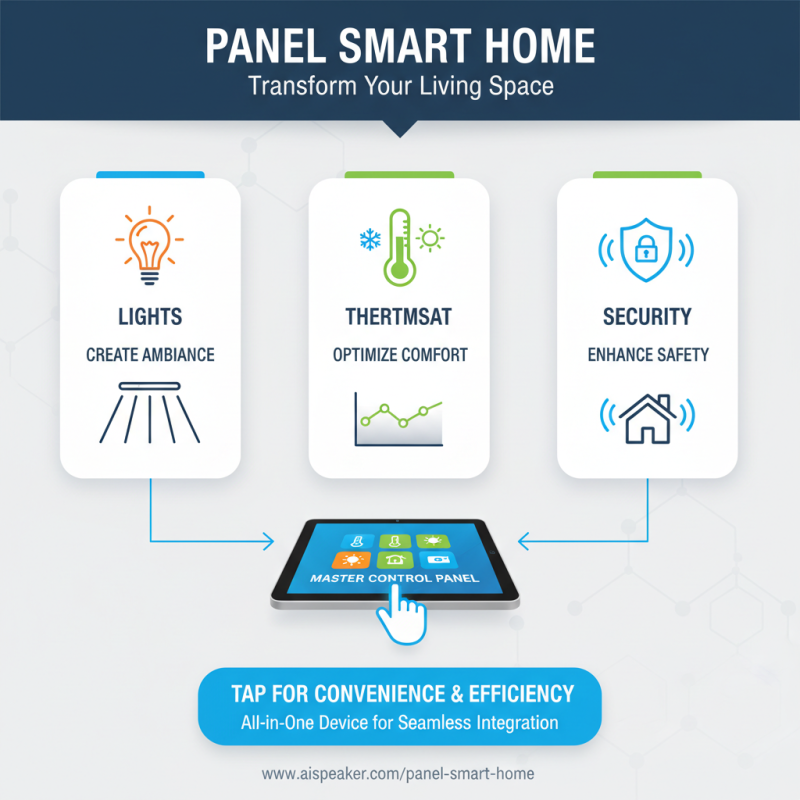
Smart Home Panels are transforming how we manage daily tasks. With intuitive interfaces, they serve as a central hub for various devices. Imagine controlling lights, thermostats, and even security systems from one screen. This convenience simplifies life, especially during busy mornings. A quick tap can set the perfect temperature or turn off the coffee maker.
Using Smart Home Panels can enhanceenergy efficiency. These devices allow for real-time monitoring of energy consumption. You can see which appliances are using the most power. This information can lead to better decisions about usage. However, some may find it overwhelming to set up and customize. Balancing multiple settings and preferences can be challenging.
Moreover, smart home technology requires continuous updates. Older systems may not integrate with newer devices, leading to frustration. Users might realize they need new equipment sooner than expected. Despite these hurdles, smart home panels continue to offer significant benefits in automating daily routines. The ideal balance between technology and user experience is still a work in progress.
Market Growth: Smart Home Technology Adoption Rates
The adoption of smart home technology is rapidly growing. More homeowners are seeking better control over their living environments. They want convenience, security, and efficiency. A Smart Home Touch Panel can simplify this process. With a touch of a button, you can manage lighting, climate, and security systems. This integration can help reduce energy consumption and enhance comfort.
Market research shows an upward trend in smart home device usage. Many surveys indicate that families enjoy the peace of mind that comes with these systems. However, not everyone finds it easy to adapt. Some users struggle with the initial setup and integration of various devices. This can create frustration and a sense of overwhelmed responsibility. Still, the long-term benefits often outweigh these hurdles.
In an era where technology is evolving, adaptability is key. Smart home technology is no longer a futuristic concept. The learning curve might be steep, but the rewards are tangible. As more users embrace these tools, we must address the challenges. It’s essential to ensure that these systems are user-friendly and accessible to everyone. Moreover, the journey to a fully automated home can be as fulfilling as the end goal.
Why Choose a Smart Home Panel for Your Home Automation Needs?
| Feature | Importance (%) | Adoption Rate (%) |
| Ease of Use | 90 | 75 |
| Energy Efficiency | 85 | 68 |
| Remote Access | 88 | 70 |
| Security Features | 95 | 80 |
| Compatibility with Devices | 82 | 65 |
| Customization Options | 80 | 60 |
Comparative Analysis: Smart Home Panels vs. Traditional Controls
Smart home technology is growing rapidly. According to recent industry reports, smart home markets will reach $174 billion by 2025. This growth highlights a shift from traditional controls to smart home solutions. Traditional controls, such as manual switches, often lack flexibility and remote access. Users may need to physically reach for switches, which can be inconvenient.
In contrast, a Smart Home Control Panel centralizes management. These panels connect various devices, offering intuitive control through a single interface. A 2022 survey indicated that 75% of homeowners prefer smart panels for their ease of use. However, some users feel overwhelmed by complex setups. The technology is still evolving, and optimization may be needed.
Moreover, while smart panels boast automation and integration, security concerns linger. Hackers can target these systems if not adequately secured. The reliance on Wi-Fi means vulnerabilities exist that traditional systems don’t face. It's essential to weigh the benefits against possible security risks. Transitioning to smart home technology requires thoughtful consideration and proactive protection measures.
User Experience: How Smart Home Panels Enhance Convenience
A smart home panel can truly transform the way you interact with your living space. Imagine controlling your lights, thermostat, and security systems all from one device. This level of integration enhances user experience significantly. It’s about convenience and efficiency. With just a few taps on the Panel Smart Home, you can create the perfect ambiance for any occasion.
However, the journey to mastering a smart home panel can be complex. Users often find it overwhelming to set up or customize their devices. Not everyone finds the interface intuitive. Some features may seem unnecessary, while others aren't utilized to their full potential. Moreover, frequent updates can lead to confusion.
Nevertheless, the rewards are hard to ignore. The ability to adjust your home environment remotely provides peace of mind. You can check who’s at the door or monitor energy usage from anywhere. This flexibility enhances daily routines. Yet, it’s important to remember that the initial learning curve can be steep. Taking time to understand the features can result in a more satisfying experience in the long run.
Energy Efficiency: Impact of Smart Panels on Monthly Bills
Smart home panels are becoming essential for modern households. They connect devices and manage energy use efficiently. With these panels, homeowners can optimize their energy consumption. Reducing waste translates into lower monthly bills, which is a significant plus.
The impact on energy bills can be substantial. Homeowners report savings of up to 30% after switching to smart panels. These panels allow for real-time monitoring of energy use. Users can track which devices consume the most power. Sometimes, this data reveals surprising habits that need attention. Actively addressing these issues leads to more informed decisions.
However, transitioning to smart technology isn’t always seamless. A learning curve exists, and not every product integrates smoothly. Occasionally, devices may malfunction or not sync up correctly. Patience is necessary during this adjustment. But with commitment, the benefits can be substantial, leading to a greener and more cost-effective home.
Integration with IoT Devices: A Seamless Home Automation Hub
In recent years, smart home technology has surged in popularity. According to a report from Statista, the global smart home market is expected to reach $135.3 billion by 2025. This growth is largely driven by the integration of various IoT devices. A Smart Home Panel acts as a central hub, streamlining communication between devices like lights, thermostats, and security systems.
Seamless integration is crucial for efficient home automation. A Smart Home Panel allows users to control multiple devices from one interface. This can reduce complexity and enhance user experience. However, not all devices are compatible. Users must research compatibility before purchasing. Some devices require specific protocols, making integration challenging.
Moreover, the user interface can be overwhelming. Many panels present too much information at once, leading to confusion. Clarity is essential for effective automation. According to a survey by Consumer Technology Association, 30% of users cite usability issues as a barrier to adopting smart home technology. A Smart Home Panel needs to address this concern. Otherwise, even the best technology can fall short in real-life applications.
Security Features: Protecting Your Home with Smart Technology
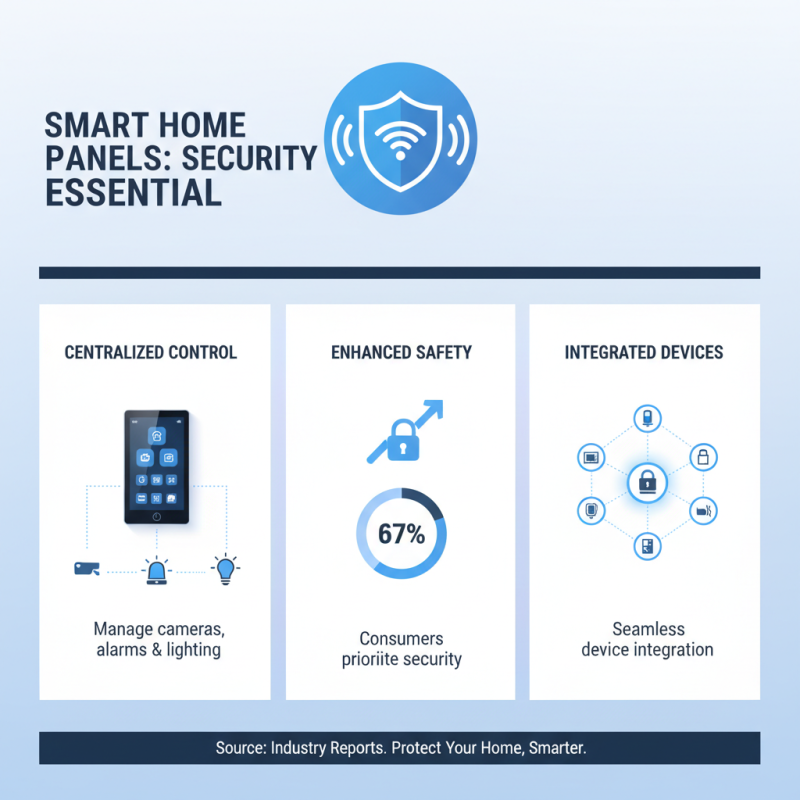
Smart home panels are becoming essential for home security. They integrate various devices, enhancing safety. According to industry reports, 67% of consumers prioritize security features when selecting smart home devices. A smart panel manages cameras, alarms, and lighting, all from one interface.
These panels allow real-time monitoring. Homeowners can receive alerts about unusual activity. For example, a door sensor can notify you if it opens unexpectedly. Smart technology can also automate lights to mimic your presence. This approach reduces the risk of break-ins.
However, challenges exist. Cybersecurity risks are a concern. Reports indicate that 30% of smart devices might have vulnerabilities. Homeowners must stay informed about these risks and update their systems regularly. A thoughtful approach to technology ensures both convenience and safety.
Revolutionizing Your Home: The Benefits and Features of the Smart Home Central Control Companion Screen
In today's rapidly evolving technological landscape, the emergence of smart home systems is transforming how we interact with our living spaces. The Smart Home Central Control Companion Screen stands out as a pivotal element in this revolution, offering significant benefits that enhance comfort and efficiency at home. With its lightweight RTOS system, this device delivers seamless whole-house intelligent control without necessitating a bulky gateway, thus reducing costs while maximizing functionality.
The capabilities of the companion screen extend beyond just convenience. Its stable connection options, including WIFI and ZigBee support, enable real-time feedback and synchronization of devices, ensuring that homeowners have a responsive and integrated smart home experience. With the ability to connect a single host to multiple slaves, users can effortlessly manage various devices, from lighting to temperature control, with a quick and intuitive interface. This versatility is further complemented by the dual-control function, allowing users to switch between traditional switch modes and innovative scene settings, catering to both convenience and personalization.
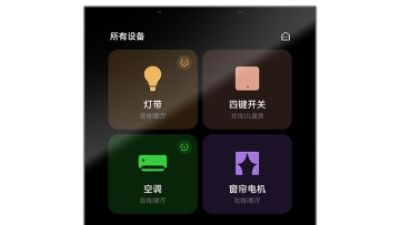
Moreover, the comprehensive compatibility of the companion screen makes it a vital addition to any smart home setup. It harmonizes with a myriad of devices for light, temperature, and curtain control, ensuring that users can expand their smart home ecosystem as desired. The integration of such features not only contributes to energy efficiency but also enhances daily living, making the Smart Home Central Control Companion Screen an optimal choice for forward-thinking homeowners seeking to embrace the future of living technologies.
FAQS
: Many people use it for daily activities like exercise or relaxation. It's quite versatile and offers various benefits.
Generally, it's safe. However, some individuals may have specific sensitivities. Always consult with a healthcare professional first.
Cleaning involves simply wiping it down with a damp cloth. Regular maintenance can enhance its lifespan.
Yes, it’s suitable for indoor and outdoor activities. However, extreme weather might affect its performance.
Discomfort can occur for some users. If that happens, reconsider your usage or speak to a professional.
With good maintenance, it can last several months. Each user's experience may vary based on usage patterns.
Yes, store it in a cool, dry place. Avoid exposing it to excessive heat or moisture for optimal performance.
While it may be safe, supervision is advised. Kids' usage should always be managed by an adult for safety.
Materials vary, but most are designed to be durable and user-friendly. Check specific details for your item.
Pay attention to your comfort level. If unsure, instructional guides or expert advice can help clarify usage.
Conclusion
A Smart Home Panel serves as a central hub for automating daily tasks, offering numerous benefits that enhance user convenience and streamline home management. With the increasing adoption rates of smart home technology, these panels are becoming essential for modern living. They provide an intuitive interface that surpasses traditional controls, allowing for easy integration with various IoT devices and creating a seamless automation experience.
In addition to elevating user experience, Smart Home Panels contribute to energy efficiency, potentially lowering monthly bills. Their built-in security features help protect homes by providing real-time monitoring and alerts. As smart technology continues to evolve, the choice of a Smart Home Panel stands out as an effective solution for anyone looking to improve their home automation needs while ensuring comfort and security.

 +86-13760248334
 CONTACT x-focus
 CONTACT x-focus