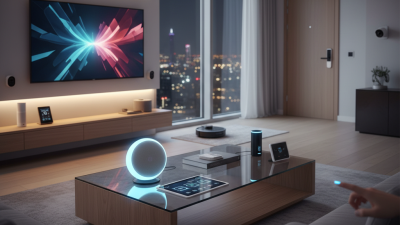
In today’s fast-moving world, it’s no surprise that demand for smart tech is skyrocketing. Companies that manufacture smart hardware are really at the heart of all this change. They’re the ones creating gadgets that actually make our lives easier and more connected. For example, take a Smart Home Lighting System. It’s pretty cool because it adapts to your daily routines and can even be controlled from anywhere. Not only does this kind of tech boost energy efficiency, but it also adds a level of convenience we didn’t have before.
Top players in the smart hardware game are setting the bar high. They focus on delivering quality, pushing innovation, and making sure users have a good experience. Companies like Philips—famous for their lighting solutions—really exemplify this dedication. Then there’s Nest, which offers integrated systems that keep an eye on your home’s environment and help optimize it. But, honestly, even the biggest names face hurdles. They’ve got to find the right balance between cutting-edge tech and what consumers actually want. People expect everything to work smoothly and reliably, which means ongoing improvements are a must.
As we look into the leading smart hardware manufacturers, it’s pretty interesting to see what they bring to the table. Knowing what they’ve contributed helps us understand just how much they’re shaping modern life. These innovations are transforming our homes—making them more efficient, safer, and even more fun to live in. That said, it’s also worth keeping in mind that with all this rapid progress come concerns about security and privacy. So, as we eagerly embrace all these exciting changes, it’s good to stay thoughtful about the risks and responsibilities that come along with it.

Overview of Smart Hardware Industry
The smart hardware industry is experiencing rapid growth. In recent reports, the market size was projected to reach $174 billion by 2025. This surge indicates a rising consumer demand for automation and connected devices. Innovative technologies, such as IoT, play a significant role in this transformation. Many homes now utilize systems that enhance convenience and security.
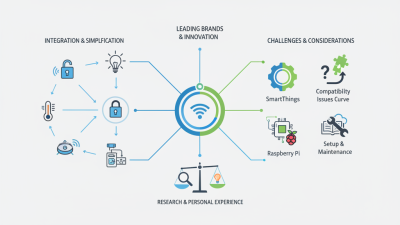
One notable trend is the increasing adoption of Smart House Control Systems. These systems streamline functions like lighting, heating, and security in a cohesive manner. They often come with user-friendly interfaces that integrate various tasks. However, integrating multiple hardware components can pose challenges. Compatibility issues may arise, and not all devices communicate seamlessly with each other.
Data from industry surveys suggest that around 40% of users report difficulties in setting up these systems. Many consumers prioritize ease of installation and user experience. Yet, technical support remains inconsistent among manufacturers. As the industry evolves, addressing these gaps will be crucial for improving user satisfaction and driving future growth.
Top 10 Smart Hardware Manufacturers Overview
Criteria for Selecting Top Manufacturers
When selecting smart hardware manufacturers, several criteria can help in making an informed choice. One key factor is innovation. Look for companies that consistently release cutting-edge technology and adapt to market trends. They should invest in R&D and stay ahead of competitors.
Another essential aspect is reliability. A manufacturer must demonstrate a track record of producing durable products. This commitment to quality often translates into lower long-term costs for businesses and consumers. Short product lifecycles can lead to wasted resources, so focus on brands known for longevity.
Tips: Checking reviews and testimonials can provide insight into a manufacturer's reputation. Look for customer feedback on product performance and service quality. Additionally, consider the manufacturer's support system. Responsive customer service can greatly enhance the user experience.
Keep an eye out for sustainability practices. Many modern consumers prioritize companies with eco-friendly production methods. Assess manufacturers that actively reduce their carbon footprint and use recyclable materials. Products that meet these criteria often reflect a commitment to ethical standards.
Leading Smart Hardware Manufacturers in 2023
The world of smart hardware is rapidly evolving in 2023. Industry analysts report that the market is projected to grow significantly, reaching approximately $160 billion by the end of the year. Innovations in artificial intelligence and connected devices drive much of this growth. Smart hardware now integrates seamlessly into everyday life, enhancing functionality and efficiency.
Leading manufacturers are capitalizing on this trend. They focus on user-friendly designs and interoperability between devices. According to the latest market research, over 75% of consumers prefer products that communicate with each other. Companies must meet this demand or risk falling behind. However, navigating the complexities of consumer needs remains a challenge.
Despite these advancements, manufacturers face obstacles. Supply chain issues and fluctuating component costs can hinder production timelines. Additionally, consumer concerns around privacy and security have risen sharply. Reports indicate that 60% of users worry about data protection in Smart Devices. Addressing these issues is crucial for companies to build trust and foster long-term relationships with users.
Innovative Technologies by Top Smart Hardware Companies
The world of smart hardware is rapidly evolving. Companies are pushing boundaries with innovative technologies that change how we interact with our environments. Some focus on enhancing connectivity in homes. Others improve efficiency in various sectors. Each of these innovations carries both promise and uncertainty.
Consider smart sensors, which gather data from surroundings. These devices can tell us when to adjust our heating or cooling systems. While this seems efficient, privacy concerns arise. Who has access to the data? How is it used? These questions need addressing as technology advances.
Another exciting development is wearable technology. With the ability to track vital signs, these devices can help monitor health in real time. They provide invaluable feedback but also present challenges. An overreliance on these wearables could lead to anxiety about our health. These nuances highlight the need for critical reflection when embracing new technologies.
Market Impact of Major Smart Hardware Players
The major players in the smart hardware industry have a significant impact on market dynamics. These manufacturers drive innovation and set trends that ripple across various sectors. Their advancements in technology influence consumer behavior and reshape expectations for smart products. These trends can be observed in areas like automation and connectivity, particularly in solutions like Smart Home Central Control systems.
However, the reliance on a few leading manufacturers raises concerns about market stability. A lack of competition can lead to stagnation in innovation. Challenges arise when smaller companies struggle to keep pace, limiting diversity in technology offerings. This situation begs reflection on the balance between large-scale innovation and the need for varied choices.
Moreover, while advancements in smart technologies are impressive, they also introduce complexities. Integration issues often frustrate users. A seamless experience is not guaranteed, and this can damage brand reputation. As consumers adopt more Smart Devices, the demand for reliable and user-friendly solutions will grow. In the end, monitoring market impacts and fostering healthy competition is crucial for sustainability.
Top 10 Smart Hardware Manufacturers You Should Know
| Ranking | Annual Revenue (Billion $) | Market Share (%) | Number of Patents | Headquarters |
| 1 | 45 | 25 | 1200 | USA |
| 2 | 38 | 22 | 980 | Germany |
| 3 | 34 | 20 | 870 | Japan |
| 4 | 29 | 18 | 740 | South Korea |
| 5 | 26 | 15 | 600 | China |
| 6 | 23 | 12 | 450 | Sweden |
| 7 | 20 | 10 | 300 | Netherlands |
| 8 | 18 | 8 | 220 | Australia |
| 9 | 16 | 5 | 150 | India |
| 10 | 15 | 3 | 100 | France |
Future Trends in Smart Hardware Manufacturing
The future of smart hardware manufacturingwill be shaped by a focus on interconnected systems. Integrating devices allows for seamless user experiences. Consumers expect products that communicate effortlessly. Smart Homes will rely on solutions likeAlexa Smart Home Automation. Such systems offer convenience and customization.
Sustainability is key in future designs. Manufacturers face challenges in sourcing eco-friendly materials. Many are committed to reducing their carbon footprints. The rise of energy-efficient devices is also notable. While innovation is crucial, companies must also consider product lifespan. Designing for longevity will be essential.
Security is another critical aspect. With more devices online, vulnerabilities increase. Manufacturers must prioritize robust security protocols. There is a need for ongoing education about risks. Users must feel confident in their smart solutions. Awareness and training will enhance trust in future smart hardware.
Challenges Faced by Smart Hardware Manufacturers
The smart hardware sector faces significant challenges as it grows. As of 2022, around 70% of smart hardware projects reported delays, highlighting issues in supply chains and project management. These delays can lead to increased costs and diminished consumer trust. Manufacturers often struggle to meet deadlines due to component shortages and logistical hurdles.
Moreover, integration remains a complex task. Smart Building Construction requires seamless connections between various hardware and software components. A study indicated that 55% of manufacturers encounter compatibility issues. These barriers can stifle innovation. Additionally, maintaining cybersecurity is critical, as vulnerabilities can provoke data breaches.
Intense competition adds pressure on manufacturers. Without proper differentiation, companies risk losing market share. In fact, over 40% of new entrants in smart hardware fail within the first two years. These hurdles underline the need for strong strategies and adaptive planning in the smart hardware landscape. Manufacturers must continually assess their processes to overcome these challenges effectively.
Conclusion
The smart hardware industry has rapidly evolved, driven by advancements in technology and increasing consumer demand for connected devices. Selecting the top smart hardware manufacturers involves evaluating criteria such as innovation, market reach, and product reliability. In 2023, leading manufacturers have not only excelled in delivering high-quality products but have also integrated groundbreaking technologies that enhance user experiences.
The impact of major smart hardware players on the market is significant, influencing trends and shaping consumer behavior. As the industry continues to grow, future trends indicate a further emphasis on sustainability and smart integration across various sectors. However, smart hardware manufacturers also face challenges, including supply chain disruptions and increasing competition. Addressing these challenges will be crucial for maintaining leadership in this dynamic market landscape.