You know, the HVAC industry has really been booming lately, mainly because more folks are looking for energy-efficient systems. Industry reports are even saying that the global HVAC thermostat market could hit around $5 billion by 2027—that's pretty wild! So, it's a great time for businesses to think about whether they want to go the OEM route or maybe consider ODM options.
If you're leaning toward OEM HVAC Thermostats, that can actually be a pretty solid choice. You get a product that's built to specific standards, so reliability isn't really in question. The upside? You know exactly what you're gonna get. But, fair warning—there's a catch. OEM solutions can be a bit limited when it comes to customization. They tend to be pretty generic, which might not always cut it if you need something really tailored for your clients.
On the flip side, ODM offers a more flexible route for those who want something custom-made. It's a great way to come up with innovative products that really hit the mark for your target audience. The downside? It might take a little longer to develop. So, honestly, you’ve gotta weigh things carefully—think about your goals, timelines, and how much customization you really need in Hvac Automation.
Understanding OEM and ODM in the HVAC Industry
When diving into the HVAC industry, understanding OEM and ODM is crucial. OEM stands for Original Equipment Manufacturer. This model allows businesses to create products using a company's design but under their own brand. ODM, or Original Design Manufacturer, offers businesses a complete package. Here, the manufacturer designs and produces the product according to specific needs.
Both approaches come with unique benefits. OEMs grant more control over branding and specifications. However, this can lead to high investment costs and lengthy development times. In contrast, ODMs simplify the process. They provide ready-made solutions that can speed up market entry. Yet, businesses might feel a lack of unique presence.
Choosing between OEM and ODM is not always clear-cut. Companies should assess their resources, market goals, and supply chain capabilities. Some businesses may find OEMs best for niche products. Others may benefit from ODMs' reduced financial risk. It's worth reflecting on these models' implications for growth and innovation.
Key Differences Between OEM and ODM Thermostats
When considering HVAC thermostats, businesses often face a choice between OEM and ODM options. OEM stands for Original Equipment Manufacturer. These thermostats are made according to a company's specifications. They usually offer more flexibility in design and features. Businesses can customize the look and feel of the product. This could lead to stronger brand recognition. However, OEM processes may require higher upfront costs.
On the other hand, ODM stands for Original Design Manufacturer. ODM thermostats come with a pre-designed model. Businesses can choose from existing designs without worrying about development costs. This approach may save time, but it could limit customization. Manufacturers handle product development, which can reduce risk. Yet, companies may miss unique selling points. It’s essential to consider the trade-offs carefully.
Your choice between OEM and ODM should depend on your business goals. Are you looking to build a strong brand? Or do you prioritize cost and speed? Each option carries its advantages and challenges. Understanding these key differences can help inform your decision-making process. Balancing customization against budget constraints is vital. Reflecting on each aspect can lead to a more informed choice.
OEM vs ODM HVAC Thermostat: Which Is Better for Your Business? - Key Differences Between OEM and ODM Thermostats
| Feature | OEM Thermostat | ODM Thermostat |
| Product Design | Customizable, follows provided designs | Designed entirely by the manufacturer |
| Development Time | Longer due to client designs | Shorter, leveraging existing designs |
| Cost | Generally higher due to customization | Usually lower, economies of scale |
| Intellectual Property | IP remains with the client | IP may belong to the manufacturer |
| Flexibility | More flexible for unique requirements | Less flexible, limited to existing designs |
| Quality Control | Client directly oversees quality | Manufacturer controls quality standards |
Advantages of OEM Thermostats for Your Business
OEM thermostats bring several advantages to businesses looking to optimize their heating and cooling systems. One significant benefit is customization. OEM thermostats can be tailored to meet specific customer needs. This flexibility allows businesses to enhance their product offerings and create a unique selling proposition. Companies can design features that align directly with market demands.
Reliability is another key aspect. OEM products often undergo rigorous testing to ensure quality and performance. This focus on reliability can help reduce returns and warranty claims. Fewer product failures mean happier customers and a better brand reputation. However, not all OEMs are created equal; businesses should thoroughly vet suppliers to maintain standards.
Tips:
- When selecting an OEM partner, consider their experience in the HVAC industry.
- Check their track record and client reviews.
- It's essential to understand their production capabilities and testing procedures.
Additionally, consider long-term relationships with your suppliers. Building trust can lead to better pricing and priority service. Knowledgeable vendors will offer insights that can help your product evolve with market trends. Your success may heavily depend on these partnerships.
Benefits of ODM Thermostats in HVAC Solutions
In the HVAC industry, ODM thermostats are gaining attention. ODM stands for Original Design Manufacturer, which means these products are designed and manufactured by a third party. This approach offers significant advantages for businesses looking to innovate without the heavy burden of development costs. According to a report by Markets and Markets, the HVAC thermostat market is projected to grow from $2.9 billion in 2020 to $4.8 billion by 2025. Such rapid growth highlights the importance of efficient and reliable product offerings.
One key benefit of ODM thermostats is customization. Businesses can collaborate with ODM providers to create tailored solutions that meet specific market demands. This flexibility is crucial in an industry where customer preferences vary widely. A study from Grand View Research indicates that 68% of consumers are willing to pay more for Smart Home Technology. By using ODM products, companies can quickly adapt to these consumer trends while maintaining high-quality standards.
However, relying on ODM can pose risks. Communication issues and quality control missteps may arise when working with external manufacturers. It's essential for businesses to choose reliable partners and maintain oversight during the production process. A report from Research and Markets found that around 40% of businesses reported challenges in supply chain management related to outsourced manufacturing. Balancing innovation with operational efficiency demands careful planning.
OEM vs ODM HVAC Thermostat: Which Is Better for Your Business?
This chart compares the key features of OEM and ODM HVAC thermostats in the context of business considerations. The data reflects important metrics such as Cost, Customization, Time to Market, Quality, and Support. As evident, ODM thermostats excel in customization and support, while OEM thermostats might perform better in cost-effectiveness and time to market.
Factors to Consider When Choosing Between OEM and ODM
When choosing between OEM and ODM HVAC thermostats, several factors come into play. OEM, or Original Equipment Manufacturer, offers customization based on existing designs. This is beneficial if you need quick solutions. However, it limits the creative process for unique products. On the other hand, ODM stands for Original Design Manufacturer. It allows for complete design control, which can lead to innovative products tailored to your needs. Consider your target market's preferences.
Cost implications are vital. OEM products might be less expensive upfront but could lack specific features that add value. ODM solutions may require a higher initial investment but could lead to greater differentiation in the market. The production timeline also matters. OEM products typically have shorter lead times, while ODM projects might take longer due to design and development phases. Overall, weigh your immediate needs against long-term goals.
Quality is another critical point. With an OEM, you often rely on established designs without full oversight. This could raise issues with quality control. In contrast, ODM solutions usually provide more oversight. However, the complexity of managing these relationships can introduce challenges. Reflect on your capabilities before making a decision. Each option has its advantages and limitations, requiring thoughtful consideration.
Cost Implications of OEM vs ODM Thermostats
Choosing between OEM and ODM thermostats for HVAC systems involves understanding their cost implications. OEM (Original Equipment Manufacturer) products often demand higher initial investments. According to industry reports, OEM thermostats can range from 15% to 30% more expensive than ODM options. This price margin is largely due to the customization and branding associated with OEM solutions.
On the other hand, ODM (Original Design Manufacturer) thermostats may offer a more cost-effective solution. Businesses can save significantly, with some ODM products being priced up to 20% lower than their OEM counterparts. However, lower prices can come with trade-offs. Quality controls and brand recognition may differ. These factors can impact customer satisfaction and long-term business reputation.
Tips: Evaluate sample products before making a bulk purchase. Understanding user feedback can guide your decision. Investing in product testing may save costs in the long run. Pay attention to hidden costs that may arise with ODM products, such as limited customer support. Choose wisely to align your investment with business goals and market demands.
Future Trends in HVAC Thermostat Manufacturing and Design
The HVAC thermostat industry is experiencing rapid evolution. The shift towards smart technology and sustainable practices is notable. According to a recent report, the global smart thermostat market is projected to exceed $4 billion by 2026, with a CAGR of 22.3%. This growth highlights the demand for innovative designs and features in HVAC systems.
Consumer preferences are changing. Users seek energy-efficient productsthat integrate seamlessly with their Smart Homes. As a result, manufacturers are focusing on advanced features, like remote access and machine learning algorithms. These improvements can optimize energy savings. However, the challenges remain in balancing cost with innovation. Many businesses hesitate to invest in new technologies due to initial expenses.
Sustainability is also shaping future designs. The HVAC industry is under pressure to reduce its carbon footprint. According to a study, over 75% of consumers prioritize eco-friendly products. This trend presents an opportunity but requires careful consideration. Not every company is equipped to meet these expectations. OEMs must adapt quickly while ODMs can capitalize on niche markets. As competition intensifies, staying ahead means embracing change. The evolution of HVAC thermostat manufacturing is as crucial as the technology itself.
Revolutionizing Temperature Management: The Ultimate Guide to the China HVAC Smart Panel for Modern Homes
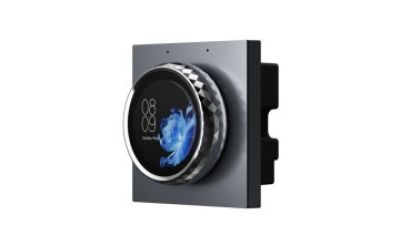
In the quest for modern Home Automation, effective temperature management has become essential. The China HVAC Smart Panel is a game-changing solution that combines elegance with functionality. Designed to enhance overall comfort and efficiency, this advanced temperature control system integrates three pivotal features: air conditioning control, floor heating management, and fresh air regulation. With these elements working in harmony, homeowners can easily create the perfect living environment all year round.
The Smart Panel boasts intelligent regulation capabilities, equipped with a built-in temperature and humidity sensor to maintain precise climate conditions. This ensures that the desired temperature levels are consistently upheld, promoting a comfortable atmosphere no matter the season. Its sleek design, complemented by a diamond-cut knob and AG matte glass finish, not only enhances the aesthetic appeal of any room but also underscores the sophistication of contemporary interiors. Moreover, the device's adaptability is highlighted by its compatibility with standard Asian back boxes, making installation straightforward and seamless in various settings.
As a leader in innovative home solutions, this temperature control unit represents the pinnacle of Smart Home Technology. It merges style with practicality, allowing homeowners to experience a new standard of comfort. Whether you're looking to elevate your current heating and cooling systems or seeking a comprehensive solution for your modern space, the HVAC Smart Panel delivers on all fronts, making it an indispensable addition to any home.
FAQS
OEMs provide more control over branding and specifications but come with high investment costs.
ODM stands for Original Design Manufacturer, which designs and produces products tailored to specific needs.
ODMs can simplify product development and speed up market entry, offering ready-made solutions for businesses.
OEM products can be 15% to 30% more expensive than ODM options due to customization and branding.
Lower prices for ODM products may lead to differences in quality controls and brand recognition.
Companies should assess resources, market goals, and supply chain capabilities to make informed decisions.
Testing helps identify potential issues, allowing businesses to align products with customer expectations.
Limited customer support may be a hidden cost, impacting long-term satisfaction and reputation.
Yes, some businesses might find OEMs more suitable for niche products that require unique branding.
Conclusion
This article explores the distinctions between OEM and ODM HVAC thermostats and how each option can impact your business decisions. It begins by defining OEM (Original Equipment Manufacturer) and ODM (Original Design Manufacturer) within the HVAC industry, highlighting their unique characteristics and operational frameworks. The key differences between the two types of thermostats are examined, alongside their respective advantages and benefits.
Additionally, the article offers insights into critical factors to consider when choosing between an OEM HVAC thermostat and an ODM solution, emphasizing cost implications and potential future trends in thermostat manufacturing and design. It serves as a comprehensive guide for businesses looking to make informed choices about their thermostat offerings, balancing functionality with cost-effectiveness.