An HVAC system does more than just heat, cool, and move air around. It really shapes how comfortable a space feels, influences indoor air quality, impacts energy bills, and can affect daily operating costs. For example, in a busy office, you might notice that one zone near the windows feels chilly, while right next to the meeting table it's warm—kind of a classic comfort problem. That's where smart controls come in handy—they help building teams spot these differences instead of having to guess what's going on.
Nowadays, Hvac Automation systems link up thermostats, sensors, dampers, meters, and building management software. They can automatically adjust ventilation when occupancy changes, cut back on cooling after hours, or even flag unusual equipment behavior. But here’s the thing—no matter how fancy the tech is, reliable performance still relies on the basics: accurate sensors, clean filters, proper scheduling, and regular check-ups. Technology alone can’t fix a neglected system—it’s a team effort.
The most effective strategy actually starts by understanding how the building is used in real life. Facility folks should look at trend data, listen to occupant feedback, check the weather, and review maintenance logs all together. Say you notice the supply-air temperature suddenly rising—that could point to a failing valve, calibration issues, or maybe the setpoint was changed accidentally. Data gives you clues, but it’s rarely an instant fix; it’s more like detective work.
And let’s be honest—no system is perfect. Even a smart platform can sometimes generate confusing alerts or cause complaints about comfort. The key is to introduce changes gradually, keep track of what happens, and have manual controls just in case. Responsibilities need to be clear too—operators should be trained well, occupants need simple, straightforward guidance, and managers should set measurable goals. When you combine expertise with automation, managing the HVAC system becomes way easier, and over time, it gets better and easier to operate.
An HVAC system heats, ventilates, and conditions indoor spaces. Its core purpose is simple: maintain comfortable temperature, healthy air, and controlled humidity. In practice, it includes chillers, boilers, heat pumps, fans, ducts, filters, dampers, and thermostats. The International Energy Agency reports that buildings consume about 30% of global final energy. Space cooling and heating are major contributors.
HVAC also protects occupants from stale air and uneven temperatures. A meeting room may feel cold near a supply diffuser, while the corridor remains warm. Smart control uses sensors, schedules, occupancy data, and weather forecasts to adjust equipment continuously. The U.S. Department of Energy estimates HVAC can represent roughly 40% of commercial building energy use. Small control errors can therefore become expensive. A Smart Home Lighting System may share occupancy signals with HVAC controls, reducing unnecessary operation in empty rooms.
Field experience shows that automation is not always intelligent. Sensors drift. Filters clog. Occupancy patterns change after renovations. A system may follow its schedule perfectly and still waste energy. Commissioning teams should compare zone temperatures, airflow, and energy trends, then correct unstable settings. Operators also need clear alarms, manual overrides, and documented maintenance records. Comfort matters, but indoor air quality cannot be treated as an optional feature. Even experienced teams miss details sometimes.
Heating, ventilation, and air conditioning form a building’s comfort engine. Heating equipment uses boilers, heat pumps, or electric resistance to raise indoor temperature. Cooling equipment removes heat through chillers, compressors, or packaged units. Ventilation supplies outdoor air and removes pollutants, while filters capture dust and particles. Ducts, fans, dampers, thermostats, and controls connect these functions. The IEA and UNEP’s 2023 Global Status Report states that buildings consume about 30% of global final energy. Heating, cooling, and ventilation deserve serious attention.
In practical building inspections, poorly balanced ducts often create cold meeting rooms and noisy corridors. A Smart House Control System can coordinate sensors, schedules, dampers, and equipment. It may reduce waste by adjusting operation when rooms are empty. However, automation is not magic. Sensors can drift, and occupants may override settings. The design is rarely perfect. The U.S. Department of Energy reports that heating and cooling represent about 48% of average home energy use, showing why accurate control matters. Indoor air quality also depends on filter maintenance, airflow, and correct ventilation rates.
Tips: Check filters on a fixed schedule, then inspect pressure drops. Place temperature sensors away from sunlight and supply-air outlets. Review nighttime settings with facility staff. Use trend data, not assumptions, before changing equipment sequences. The ASHRAE Handbook recommends commissioning and regular testing because even efficient systems can perform poorly after occupancy changes. A short monthly review can reveal stuck dampers, unusual runtimes, or uncomfortable zones.
A practical overview of major HVAC components, their functions, common control inputs, and measurable operating considerations in commercial buildings.
| HVAC Category | Main Component | Primary Function | Typical Sensors or Inputs | Smart Control Actions | Key Performance Considerations | Maintenance Focus |
|---|---|---|---|---|---|---|
| Heating | Boiler or Heat Generator | Produces hot water or warm air for space heating and, in some systems, domestic hot water. | Supply-water temperature, return-water temperature, outdoor-air temperature, pressure, and flame or safety status. | Modulates heating output, resets supply temperature according to outdoor conditions, stages equipment, and enables night or unoccupied setbacks. | Seasonal efficiency: affected by part-load operation, water temperature, insulation, and distribution losses. | Inspect safety controls, burners or heating elements, water pressure, heat-transfer surfaces, and combustion or electrical connections. |
| Heating and Cooling | Heat Pump | Transfers heat between indoors and outdoors to provide heating, cooling, or both. | Indoor and outdoor temperature, refrigerant pressure, coil temperature, defrost status, and operating mode. | Adjusts compressor speed or stages, manages defrost cycles, changes operating mode, and limits operation during abnormal conditions. | Heating performance: declines as outdoor temperature falls; cooling and heating efficiency depend on load and temperature lift. | Clean coils and filters, check airflow, inspect condensate drainage, and verify refrigerant-system operation by qualified personnel. |
| Cooling | Chiller or DX Cooling Coil | Removes heat from indoor air by circulating chilled water or using direct-expansion refrigerant. | Entering and leaving fluid or air temperature, humidity, pressure, flow rate, and compressor status. | Modulates cooling capacity, resets chilled-water temperature, coordinates pumps and fans, and prevents simultaneous heating and cooling. | Cooling efficiency: influenced by condenser temperature, chilled-water temperature, coil cleanliness, and part-load ratio. | Clean coils, verify water or refrigerant flow, inspect insulation, test controls, and maintain condensate pans and drains. |
| Air Distribution | Air Handling Unit | Conditions and distributes air by combining fans, filters, coils, dampers, and sometimes heat-recovery equipment. | Supply and return temperature, duct pressure, filter pressure drop, humidity, carbon dioxide, and fan speed. | Controls fan speed, outdoor-air quantity, mixing dampers, coil valves, humidity, and supply-air temperature. | Fan energy: can vary substantially with airflow and system pressure; reducing unnecessary airflow lowers electrical use. | Replace filters when pressure drop reaches the specified limit, clean coils, inspect belts or bearings, and test damper operation. |
| Ventilation | Outdoor-Air and Exhaust System | Introduces outdoor air for indoor-air quality and removes stale air, odors, moisture, or contaminants. | Carbon dioxide, volatile organic compounds, outdoor-air temperature, humidity, occupancy, airflow, and duct pressure. | Uses demand-controlled ventilation, schedules fans, adjusts outdoor-air dampers, and coordinates ventilation with heating and cooling loads. | Ventilation balance: must provide required outdoor air without causing excessive heating, cooling, or fan demand. | Check outdoor-air intakes, exhaust outlets, dampers, filters, fans, airflow rates, and contamination risks. |
| Air Movement | Supply, Return, and Exhaust Fans | Move air through ducts and occupied spaces at the required flow and pressure. | Fan speed, motor current, duct static pressure, airflow, vibration, and run status. | Uses variable-speed control, static-pressure reset, occupancy scheduling, and fault alerts for abnormal current or vibration. | Electrical demand: generally increases sharply as airflow and pressure requirements rise, making proper balancing important. | Inspect motors, bearings, belts, vibration, alignment, fan wheels, and electrical connections. |
| Terminal Control | Variable-Air-Volume Box or Zone Terminal | Regulates airflow and, when equipped, provides supplemental heating or cooling to an individual zone. | Zone temperature, airflow, damper position, reheat-valve position, occupancy, and discharge-air temperature. | Maintains zone temperature, limits minimum airflow, resets pressure setpoints, and prevents excessive reheat. | Zone efficiency: depends on accurate airflow measurement, correct minimum settings, and coordinated reheat control. | Verify damper movement, airflow calibration, actuator operation, temperature sensors, and reheat components. |
| Controls | Building Automation System | Monitors and coordinates HVAC equipment, schedules, alarms, setpoints, and energy-related operating data. | Temperature, humidity, occupancy, air quality, equipment status, energy meters, weather data, and utility signals. | Applies scheduling, optimal start and stop, setpoint resets, demand limiting, fault detection, and equipment sequencing. | Control effectiveness: depends on sensor accuracy, appropriate sequences, trend data, commissioning, and operator response. | Calibrate sensors, review alarms, test sequences, maintain network connections, and periodically recommission control loops. |
| Distribution | Ductwork and Hydronic Piping | Transfers conditioned air or water between central equipment and building zones. | Static pressure, airflow, supply and return temperatures, differential pressure, flow rate, and valve position. | Adjusts fan and pump operation, resets pressure targets, detects abnormal losses, and identifies zones with poor control response. | Distribution losses: increase when ducts or pipes are poorly insulated, leaking, oversized, or improperly balanced. | Inspect insulation, seals, dampers, valves, balancing devices, supports, and signs of condensation or leakage. |
| Water Circulation | Pumps and Hydronic Control Valves | Circulate heating or chilled water and regulate the amount delivered to coils and zones. | Flow rate, differential pressure, supply and return temperature, pump speed, and valve position. | Uses variable-speed pumping, differential-pressure reset, valve sequencing, and low-load shutoff strategies. | Pump energy: is affected by flow, pressure setpoints, pipe resistance, valve authority, and balancing. | Check seals, bearings, strainers, valves, pressure readings, air removal, and water quality. |
| Indoor Environment | Thermostats and Environmental Sensors | Measure conditions that determine comfort, ventilation, and equipment operation. | Air temperature, relative humidity, carbon dioxide, occupancy, particulate matter, and user setpoint requests. | Adjusts zone setpoints, detects occupancy, triggers ventilation responses, and reports sensor faults or out-of-range conditions. | Measurement accuracy: directly affects comfort, energy use, and the reliability of automated decisions. | Calibrate sensors, avoid blocked or heat-affected locations, verify communication, and replace failed devices. |
| Heat Recovery | Energy-Recovery Ventilator or Heat Exchanger | Transfers heat, and in some designs moisture, between exhaust air and incoming outdoor air. | Outdoor and exhaust temperature, humidity, airflow, pressure drop, frost status, and wheel or core operation. | Controls bypass dampers, frost protection, airflow balance, and recovery operation based on indoor and outdoor conditions. | Recovery benefit: varies with airflow, indoor-outdoor temperature difference, humidity, exchanger effectiveness, and maintenance condition. | Clean filters and heat-transfer surfaces, inspect seals, check frost protection, and confirm balanced airflow. |
What Is an HVAC System? A Guide to Smart HVAC Control for Buildings
HVAC systems heat, ventilate, and cool indoor spaces. Their operation changes sharply across building types. In offices, occupancy sensors can adjust temperature and ventilation around meeting rooms. Schools need stronger morning warm-up control and reliable outdoor-air delivery. Hospitals require continuous operation, pressure management, and strict filtration. A small error can affect patient safety.
Warehouses often have high ceilings, irregular occupancy, and large loading-door losses. Their controls may combine destratification fans, temperature zones, and door sensors. Hotels face another challenge: guests expect comfort at every hour. Room-level controls can reduce conditioning in vacant rooms, but poor settings may create complaints after check-in. Multifamily buildings also need careful balancing between shared systems and individual preferences.
The International Energy Agency reports that buildings use about 30% of global final energy and produce roughly 26% of energy-related emissions, according to its Buildings sector analysis. Smart HVAC control can address part of this demand through scheduling, weather data, and fault detection. Yet automation is not automatically efficient. Controls need accurate sensors, commissioning, and regular review. Buildings are not machines, exactly. A hospital, classroom, and warehouse should never share one control strategy. ASHRAE Standard 62.1 also reminds operators that energy savings cannot replace adequate ventilation. Real projects often expose an uncomfortable truth: the smartest system may still fail when occupants override it, sensors drift, or staff lack training.
An HVAC system regulates indoor temperature, humidity, ventilation, and air cleanliness. Smart HVAC control adds sensors, automation, and connected devices to that basic function. Temperature is only one signal. Air quality matters too. CO2 sensors can reveal when a crowded meeting room needs more outdoor air. Humidity sensors can identify conditions that encourage discomfort or material damage. In practice, accurate placement matters. A sensor beside a supply vent may report a misleadingly cool reading.
Automation converts these measurements into controlled actions. A building controller can adjust dampers, fans, valves, and heating or cooling output. Occupancy sensors can reduce airflow in empty offices, then restore comfort before employees arrive. Time schedules help, but fixed schedules are not always enough. A late meeting or open window can disrupt the expected pattern. Connected meters also show unusual energy use, such as a fan running after business hours. That detail helps technicians investigate equipment, settings, or user behavior.
Reliable smart control needs commissioning, calibration, and regular review. Not every automated decision is correct. This deserves attention. Facility teams should compare sensor data with room conditions and maintenance records. Clear alarms are more useful than constant notifications. Access controls and secure networks protect connected equipment from unauthorized changes. A Wireless Interphone System may support communication between security staff and maintenance teams during inspections. Human override remains important when occupants report drafts, noise, or poor ventilation. A comfortable dashboard cannot replace a careful site walk.
Smart HVAC management links heating, ventilation, and air-conditioning equipment with sensors, schedules, and building data. Its value is practical: less wasted energy and steadier indoor comfort. The International Energy Agency reports that buildings consume about 30% of global final energy and create roughly 26% of energy-related emissions. The U.S. Department of Energy also identifies HVAC as one of the largest energy loads in commercial buildings.
A smart system can reduce unnecessary heating in an empty meeting room at 6:15 p.m. Occupancy sensors adjust airflow, while weather data helps prevent excessive cooling before a hot afternoon. The U.S. Environmental Protection Agency states that building energy savings of 10% or more are often achievable through operational improvements and better controls. Comfort can improve too. Stable temperatures mean fewer complaints, fewer manual overrides, and healthier ventilation management.
Automation is not magic.
Poor sensor placement can distort results. A sensor beside a supply diffuser may read the wrong temperature, while an uncalibrated occupancy sensor can leave a room uncomfortable. In practice, facility teams should review trend data, inspect equipment, and question automated recommendations. The 2023 ASHRAE Handbook emphasizes commissioning, measurement, and ongoing maintenance for reliable HVAC performance. Smart control works best when people remain involved. That human review is often the missing layer.
Installing a smart HVAC system begins with a clear assessment of the building. Technicians should map zones, occupancy patterns, airflow paths, and equipment capacity. Each temperature, humidity, and carbon dioxide sensor needs a documented location. Record baseline readings before changing control settings. A Door Phone Intercom System can share occupancy events with the controller. This may help condition entry areas only when needed. Keep access data limited and protected.
During commissioning, verify schedules, setpoints, alarms, and manual overrides. Small errors matter. A misplaced sensor can make one room feel cold while another overheats. Monitor trends through a central dashboard, not isolated readings. Review energy use, supply-air temperature, runtime, and repeated comfort complaints. Alerts should identify unusual behavior, not create constant noise. Do not silence them.
Maintenance requires regular filter checks, coil cleaning, damper testing, and sensor calibration. Inspect electrical connections and drain lines before seasonal demand rises. Compare dashboard readings with calibrated instruments during service visits. If comfort complaints continue, question the control logic instead of blaming occupants. Smart control is helpful, but it is not self-correcting. Real buildings change, and imperfect installation records can mislead future technicians.
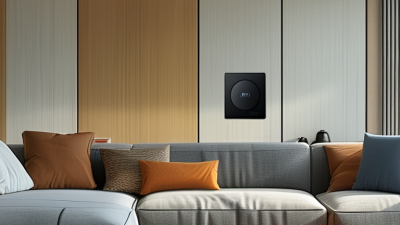
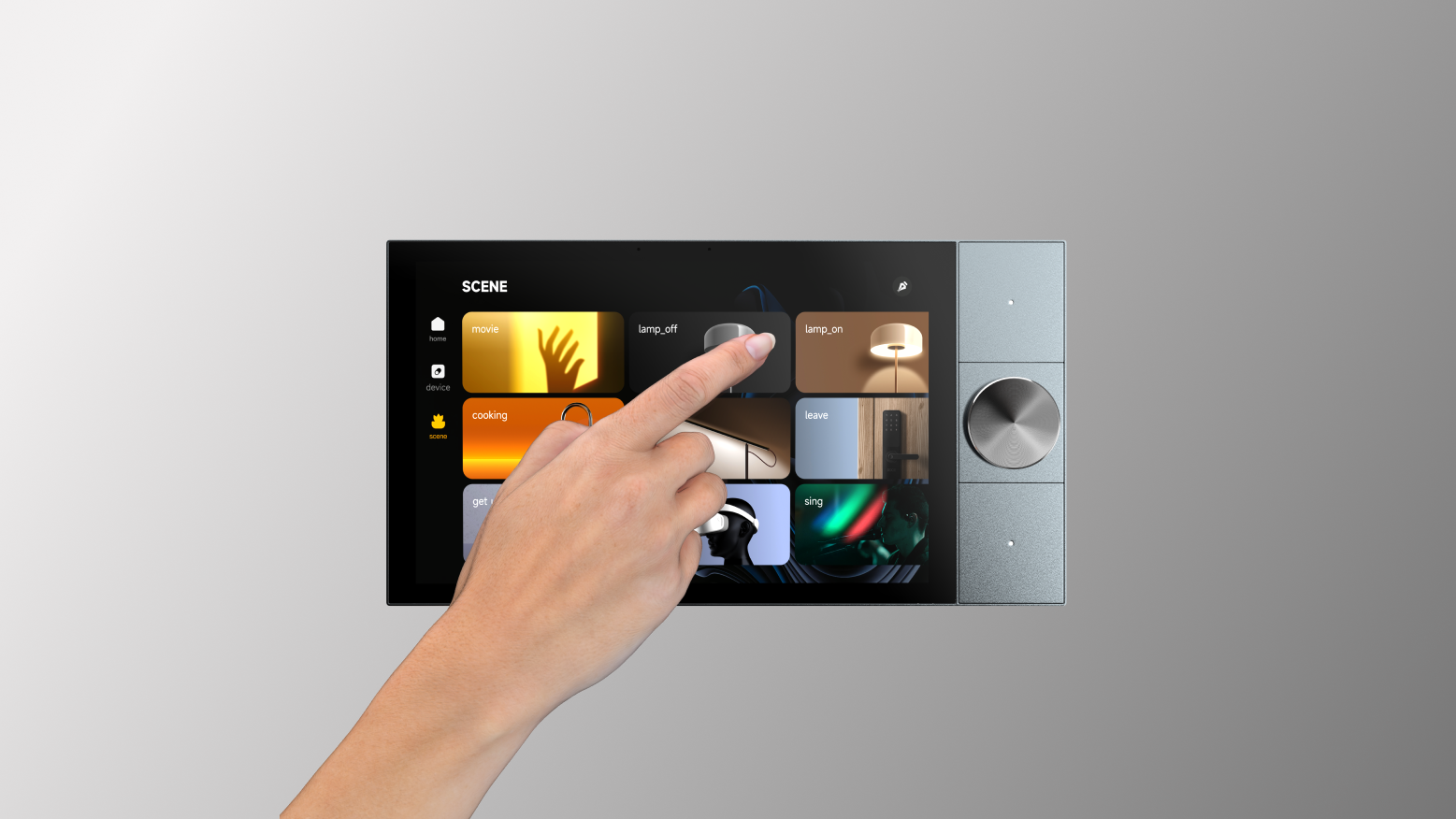
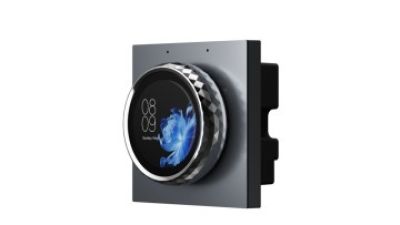
Modern home climate control is moving beyond isolated thermostats and toward integrated, responsive systems. The International Energy Agency reports that buildings account for approximately 30% of global final energy consumption and 26% of energy-related emissions, making efficient heating and cooling a significant priority. In the United States, the Department of Energy estimates that heating and cooling can represent nearly half of a household’s energy use. The T10 All-in-One HVAC Smart Panel addresses this challenge by combining air-conditioning, floor-heating, and fresh-air control in one interface, reducing the need to manage separate systems.
Its temperature and humidity sensor supports intelligent constant-temperature regulation, helping maintain a more stable indoor environment while avoiding unnecessary equipment operation. This approach is particularly useful in homes where cooling, radiant heating, and ventilation need to work together throughout changing seasons. The diamond-cut knob provides precise tactile adjustment, while AG matte glass gives the panel a refined, low-glare appearance suited to contemporary interiors. Designed for 86×86 mm Asian-standard back boxes, it also fits common installation dimensions, simplifying upgrades in both new construction and renovation projects. With centralized control and sensor-based adjustment, everyday climate management becomes more consistent, accessible, and energy-conscious.
It heats, cools, ventilates, and controls indoor humidity. It also helps remove stale air and uneven temperatures.
Common components include boilers, heat pumps, chillers, fans, ducts, filters, dampers, thermostats, and control sensors. Each part matters.
Ventilation supplies outdoor air and removes pollutants, odors, and excess moisture. Comfortable air is not always healthy air.
Sensors, schedules, occupancy data, and weather forecasts adjust equipment operation. Empty rooms should not receive full conditioning.
Yes. Sensors drift, filters clog, and occupants change settings. A perfect schedule can still waste energy.
Offices need flexible room control. Schools need reliable morning warm-up. Hospitals need continuous operation, pressure control, and strong filtration.
One meeting room may feel cold near a diffuser, while a corridor stays warm. Noisy airflow may follow.
Check filters regularly and inspect pressure drops. Review temperature trends, airflow, alarms, runtimes, and damper positions.
Place sensors away from sunlight, doors, and supply-air outlets. A poor location can distort readings.
Commissioning compares zone temperatures, airflow, equipment runtimes, and energy trends. It often finds problems that automation hides.
An hvac system is a building’s integrated solution for heating, ventilation, and air conditioning. Its main purpose is to maintain comfortable indoor temperatures, support healthy air circulation, manage humidity, and improve overall indoor air quality. Core components may include heating and cooling equipment, air handlers, fans, filters, ducts, vents, thermostats, and control devices. These elements work together differently depending on the building’s size, layout, occupancy, and operating schedule.
Smart HVAC control enhances traditional operation through sensors, automation, and connected devices that monitor temperature, humidity, occupancy, and air conditions in real time. By adjusting settings automatically, smart management can reduce unnecessary energy use while maintaining consistent comfort. Effective installation requires proper system sizing, zoning, and control configuration. Regular monitoring, filter replacement, inspections, and preventive maintenance help preserve efficiency, identify issues early, extend equipment life, and support reliable performance across homes, offices, commercial facilities, and other building types.