A fan coil thermostat might not be something you think about every day, but it’s actually a pretty key player in modern HVAC systems. Basically, it’s what keeps your indoor temperature just right, making sure your space is comfortable without wasting energy. I came across a report from MarketsandMarkets that estimates the global market for fan coil units will hit around $2.7 billion by 2025—that’s a clear sign people are really leaning toward more energy-efficient options these days.
John Smith, who’s an HVAC whiz over at Climate Innovations, stresses just how important a well-functioning fan coil thermostat really is: ‘Getting the fan coil units under proper control can cut down on energy bills pretty significantly.’ That really highlights why homeowners and business folks should understand how this little device works.
Of course, even with all these advancements, there are still some hurdles. A lot of folks tend to overlook thermostat maintenance, which can lead to less efficient performance. Learning how to optimize your fan coil thermostat isn’t just about comfort—it can also save you some serious cash on energy. If you know what to look out for and how to keep everything running smoothly, you can dodge common issues and get the best performance from your system.
What is a Fan Coil Thermostat?
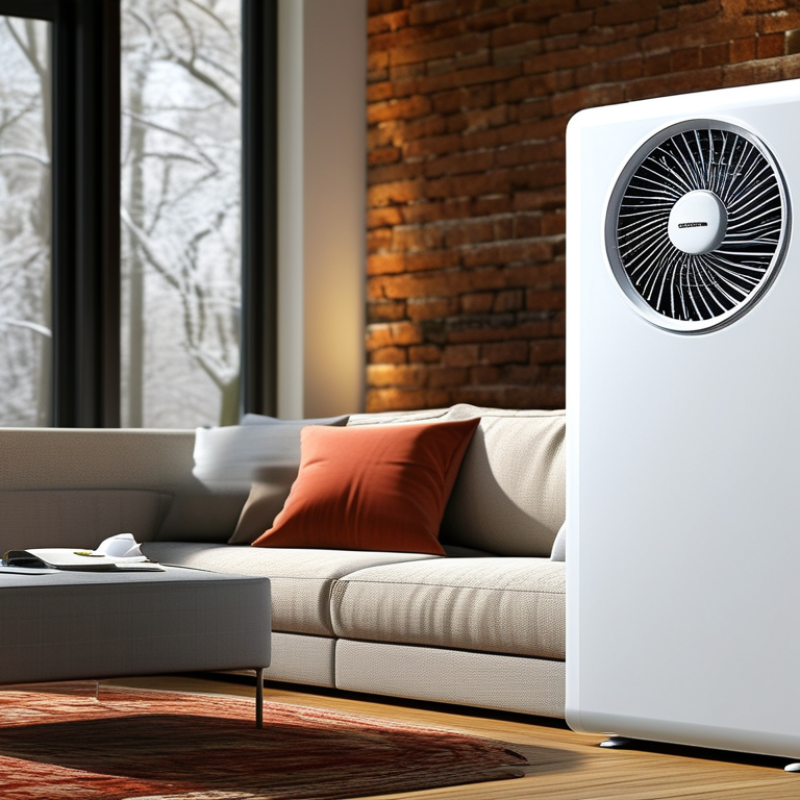
A fan coil thermostat is a device designed to regulate the temperature in HVAC systems that use fan coils. This type of thermostat works by controlling the fan's operation and the flow of hot or cold water through the coils. By adjusting these elements, it ensures optimal comfort in different environments. The technology helps maintain a consistent temperature, adapting to the space's needs.
Studies show that using fan coil units can improve energy efficiency by up to 30%. This efficiency is significant in both residential and commercial settings. Fan coil systems are flexible and can be installed in various configurations. However, proper installation and maintenance remain crucial. Inadequate setup can lead to inefficiencies and increased energy costs. Regular checks and expert-level service are essential for maximizing system performance.
While fan coil thermostats offer multiple benefits, they also require attentive users. Many overlook the importance of programmable settings. This oversight can lead to usage that doesn't align with energy-saving practices. As a result, the unit may not operate at its best efficiency. Adapting to modern scheduling technology can enhance performance, providing the desired climate control while reducing expenses.
Components of a Fan Coil Thermostat
A fan coil thermostat is a crucial component in heating and cooling systems. It regulates the temperature and airflow in a room. The main parts of this device include the temperature sensor, control unit, and the fan motor.
The temperature sensor measures the ambient temperature. It sends data to the control unit, which processes this information. The control unit then dictates how much the fan should operate and whether to activate heating or cooling. The fan motor circulates air through the coil, allowing heat exchange to occur. This cycle continues until the desired room temperature is reached.
When using a fan coil thermostat, ensure regular maintenance is performed. Dust can accumulate on the fan and sensor. Clean them periodically to maintain efficiency. Another aspect to consider is the placement of the thermostat. It should be installed away from direct sunlight or drafts to ensure accurate readings. Placement impacts performance significantly. Always revisit the setup to see if improvements are needed. Adjustments can lead to a more consistent comfort level in your space. By understanding these components, users can better appreciate how to manage indoor climates effectively.
How Fan Coil Thermostats Control Temperature
A fan coil thermostat plays a crucial role in temperature control within HVAC systems. These devices operate by regulating airflow and water flow within fan coil units. When the thermostat senses a drop in temperature, it activates the fan coil, circulating air over the heating or cooling coils. The result is a quick adjustment in room temperature, ensuring comfort and energy efficiency.
Industry reports suggest that smart fan coil thermostats can improve energy savings by up to 25% compared to traditional models. A key factor is the ability of these thermostats to learn user preferences and adjust settings autonomously. This creates an optimal balance between comfort and energy consumption. For instance, a study by the American Council for an Energy-Efficient Economy found that properly tuned HVAC systems, including the use of advanced thermostat controls, enhance system performance significantly.
Challenges exist, however. Installation and calibration can be complex, often requiring professional help. Incorrect settings or placement can lead to inefficiencies and discomfort. Users may also overlook the importance of regular maintenance, which is essential for optimal thermostat performance. Data indicates that neglecting HVAC upkeep can reduce system efficiency by up to 30%. Understanding the intricacies of fan coil thermostats is vital for homeowners seeking effective and sustainable temperature control.
The Working Principle of Fan Coil Systems
Fan coil systems play a vital role in heating and cooling indoor spaces. These systems use a fan to circulate air over coils filled with hot or cold water. The thermostat regulates the temperature by controlling the water flow to the coils. When the thermostat senses a temperature change, it triggers the fan coil to either heat or cool the air. This offers precise temperature control, which enhances energy efficiency.
Installing a fan coil thermostat requires some understanding of its components. The device communicates with the fan coil unit. Incorrect installation might result in poor temperature regulation. Some users may experience fluctuations in temperature due to placement issues. Make sure the thermostat is at eye level and away from direct airflow from vents.
Regular maintenance is crucial for optimal performance. Dust and debris can accumulate on the fan and coils, reducing efficiency. Cleaning the components periodically will prolong the system's lifespan. Users should check the filters regularly, as clogged filters restrict airflow. More airflow means better temperature control, making your system work more effectively.
What is a Fan Coil Thermostat and How Does it Work?
| Feature | Description | Benefits |
| Temperature Control | A fan coil thermostat regulates the temperature in a room by controlling the flow of hot or cold water through a fan coil unit. | Increased comfort and energy efficiency, allowing occupants to set their desired temperature. |
| Types | Includes digital, programmable, and manual thermostats. | Flexibility in temperature management based on user preferences. |
| Installation | Usually requires a certified technician for optimal placement and connection. | Ensures accurate temperature regulation and system efficiency. |
| Operation | Uses room temperature sensors to adjust water flow in the fan coil unit. | Provides a consistent temperature without wide fluctuations. |
| Energy Efficiency | Optimally adjusts heating and cooling to minimize energy consumption. | Lower utility bills and reduced environmental impact. |
Types of Fan Coil Thermostats Available
Fan coil thermostats are essential for controlling temperature in various spaces. They come in several types, each designed for specific needs. The most common types include line voltage, low voltage, and wireless models. Line voltage thermostats operate directly with high-voltage systems. They are simple and easy to install. However, they might not provide precise temperature control.
Low voltage thermostats are prevalent. They connect to a transformer, making them energy-efficient. Many of these models feature programmable settings. Users can set heating or cooling periods according to their schedules. Wireless thermostats offer flexibility. They can be controlled remotely through smartphones. This is convenient for those on the go.
There are pros and cons to each type. Line voltage models lack advanced features. Low voltage systems require more setup. Wireless models depend on internet connectivity. If the power goes out, they might not function. Each type has its strengths and weaknesses. Choosing the right one depends on your specific needs and preferences.
Benefits of Using a Fan Coil Thermostat
Fan coil thermostats represent an efficient solution for climate control in various settings. One major benefit is their capacity to enhance energy efficiency. Reports indicate that fan coil units can save up to 30% on energy bills compared to traditional HVAC systems. These statistics stem from their ability to operate only when necessary, responding to real-time temperature demands.
Another advantage lies in their flexibility. Fan coil systems can be installed in diverse environments, whether residential, commercial, or industrial. They allow for individual zone control, meaning occupants can adjust temperatures based on their needs. This adaptability is crucial in modern buildings where multiple functions occur simultaneously.
However, not all fan coil thermostats perform equally. Factors like installation quality and maintenance play significant roles in their efficacy. A poorly maintained system may lose efficiency over time, leading to increased costs. Regular maintenance checks are essential to avoid such pitfalls. Attention to these details can significantly enhance the overall effectiveness of fan coil systems.
Common Issues and Troubleshooting Tips
Fan coil thermostats can have various issues that impact their performance. Common problems include inaccurate temperature readings, which may cause discomfort in your living space. It's essential to check the positioning of the thermostat. If it's near a heat source, like a lamp or a vent, it can give faulty readings. Relocating the thermostat can help ensure it provides accurate information about room temperature.
Another common issue is when the fan does not operate correctly. A malfunctioning fan can lead to inadequate air circulation. Dust and debris accumulation can cause this problem. Regular cleaning of the fan and filter is essential. Sometimes, the fan may also make unusual noises, indicating a mechanical problem. This might require professional help to diagnose and repair any underlying issues.
Furthermore, if the system frequently turns on and off, it may be a sign of improper calibration. You might need to adjust the settings or consult a technician for further inspection. Understanding these issues can help you maintain a more efficient heating and cooling system. Regular monitoring is crucial to prevent small problems from escalating.
Fan Coil Thermostat Issues and Troubleshooting Frequency
This bar chart illustrates common issues faced with fan coil thermostats based on user feedback and troubleshooting inquiries. Each issue is represented with the frequency of occurrences.
FAQS
: A fan coil thermostat regulates temperature in HVAC systems using fan coils. It controls fan operation and water flow.
Studies show it can boost energy efficiency by up to 30%. Proper installation and maintenance are key factors.
Inaccurate temperature readings may occur when the thermostat is near heat sources. Relocating it can improve accuracy.
Neglecting maintenance can reduce system efficiency by up to 30%. Regular checks ensure optimal performance and comfort.
Yes, smart thermostats can adjust settings autonomously. This helps balance comfort and energy consumption effectively.
If the fan malfunctions, check for dust buildup. Cleaning the fan and filter can restore airflow and efficiency.
Frequent on-off cycling may indicate calibration issues. Adjusting settings or consulting a technician may be necessary.
Programmable settings can enhance efficiency. Users should adapt to modern scheduling to save energy and maintain comfort.
Unusual fan noises might suggest mechanical problems. Consider professional help for diagnosis and repairs to avoid bigger issues.
Many neglect programmable settings, leading to inefficiencies. It's important to understand the thermostat's features for optimal benefit.
Conclusion
A Fan Coil Thermostat is an essential device used in heating and cooling systems to regulate temperature within spaces served by fan coil units. It consists of components such as temperature sensors, control circuits, and user interfaces that allow for precise temperature management. Fan Coil Thermostats operate by adjusting the flow of water or air through the fan coil unit based on the desired temperature set by the user.
The working principle of fan coil systems involves circulating air over coils that contain either hot or cold water, effectively transferring heat to or from the environment. There are various types of Fan Coil Thermostats available, each offering unique functionalities and benefits such as energy efficiency and improved thermal comfort. However, users may encounter common issues that require troubleshooting, which can often be resolved by checking settings or ensuring proper maintenance of the unit. Overall, integrating a Fan Coil Thermostat into a HVAC system significantly enhances the control and comfort of indoor climates.