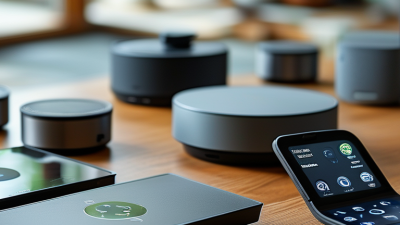
When you're running a business, choosing the right HVAC Thermostat might not seem like a big deal, but trust me, it really is. Think of the thermostat as the control center for your heating and cooling — it pretty much acts as the brain of your systems. Picking the right one can make a huge difference, not just for comfort but also for saving energy (which can save you some serious cash in the long run). Unfortunately, a lot of business owners overlook this altogether, assuming any thermostat will do the trick. But the truth is, going with the wrong kind can really cost you — practically in increased bills and some annoyed employees or customers because it’s too hot or cold.
Figuring out which thermostat suits your needs isn’t just about grabbing the most expensive one either. Some models come packed with features like programmable settings or remote access — super handy if you want to tweak things on the fly. That said, finding the right balance between these features and your budget can be tricky. My advice? Think long-term. A good quality thermostat can actually pay for itself over time through energy savings.
Do a bit of homework before making a purchase. Not every thermostat out there is a perfect fit for your unique setup. Look into trusted sources to keep yourself informed so you can make a smart choice. A reliable thermostat can handle automation and ensure everything runs smoothly — reducing waste and maximizing efficiency. In this competitive market, that little extra energy saving from the right Hvac Automation setup might just be the edge you need for your bottom line.

Understanding HVAC Thermostats: Types and Functions
Choosing the right HVAC thermostat involves understanding its types and functions. Various thermostats cater to different business needs. Basic thermostats allow manual temperature adjustments. They offer limited features but are reliable for straightforward applications. However, they may not be the most efficient option for larger spaces.
Programmable thermostats enhance efficiency. They enable pre-set schedules, automatically adjusting the temperature based on occupancy. This kind of thermostat can help lower energy bills. Yet, businesses may face challenges with scheduling accuracy. Staff changes can lead to incorrect settings. Inconsistent use may undermine their benefits.
Smart thermostats provide advanced features. They learn from usage patterns and can be controlled remotely. This technology offers significant convenience. However, initial setup may require effort and learning. Businesses might find the transition to smart technology daunting. Regular updates and connectivity issues can also arise. Understanding your specific needs will guide you in selecting the ideal thermostat.
Key Features to Consider When Choosing an HVAC Thermostat
When selecting an HVAC thermostat for business needs, several key features warrant attention. The ability to optimize energy efficiency is paramount. According to the U.S. Department of Energy, using programmable thermostats can save businesses up to 10% on heating and cooling costs annually. A user-friendly interface is equally important. A complex system can lead to errors, potentially increasing operational costs.
Wi-Fi connectivity is another vital feature. It allows real-time monitoring and adjustments from remote locations. A survey by the American Society of Heating, Refrigerating, and Air-Conditioning Engineers found that businesses utilizing smart thermostats reported a 15% reduction in energy usage. This technology is changing how businesses manage their HVAC systems. Flexibility is crucial. Businesses need systems that adapt to changing occupancy levels and seasons.
Consideration should also be given to compatibility with existing systems. Many options may not integrate seamlessly, creating potential inefficiencies. A lack of adaptability could lead to wasted energy and inflated bills. Regularly reviewing the thermostat’s performance is essential for maintaining efficiency. Without attention to these details, businesses may miss opportunities for improved sustainable practices.
Energy Efficiency and Cost Savings: The Impact of a Smart Thermostat
Selecting the right HVAC thermostat is crucial for energy efficiency and cost savings. A smart thermostat can adapt to your business's heating and cooling requirements. These devices often learn your schedule, minimizing energy use when buildings are unoccupied. A well-placed thermostat can optimize performance, ensuring comfort without wasting energy.
Many businesses experience energy waste due to outdated thermostats. Regularly check and adjust settings based on seasonal changes. Understanding the programming features can also help achieve significant savings. This simple awareness can lead to lower utility bills.
When considering a thermostat, explore options that provide remote control. This feature allows you to adjust settings from anywhere, preventing unnecessary energy drain. Ensure the device integrates well with your existing HVAC system. Some businesses overlook the importance of compatibility, leading to costly adjustments. Prioritizing the right technology can elevate your energy management strategy.
Energy Efficiency and Cost Savings: The Impact of a Smart Thermostat
Comparing Programmable vs. Non-Programmable Thermostats
When choosing between programmable and non-programmable thermostats, understanding their functionalities is crucial for business efficiency. Programmable thermostats offer flexibility. They allow users to set specific temperatures for different times of the day. This capability can lead to energy savings of about 10-30%, according to the U.S. Department of Energy. For businesses operating during standard hours, this feature can significantly reduce energy costs.
Non-programmable thermostats are simpler but less efficient. They maintain a constant temperature until manually adjusted. This may lead to higher energy bills, especially if the business remains unoccupied for long periods. In fact, the American Council for an Energy-Efficient Economy estimates that maintaining a constant temperature can waste around 20% of energy use during off-hours.
Ultimately, the choice depends on the specific needs of your business. A programmable thermostat may seem more complex initially, but it often pays off in the long run. Businesses should assess their heating and cooling needs, along with their operational hours, to make an informed decision. While programmable thermostats may require a learning curve, the potential savings and comfort they provide are often worth it.
Integration with Existing HVAC Systems: Compatibility Considerations
Choosing the right HVAC thermostat for your business requires careful consideration of compatibility with existing systems. Not all thermostats work seamlessly with every HVAC setup. Understanding your system's specifications is essential for optimal performance.
It’s advisable to check the voltage type of your current system. Confirm if it's low voltage or line voltage to avoid mismatches. Many businesses overlook this detail, resulting in poor functionality.
When upgrading your thermostat, ensure it can integrate with your existing network setup. Compatibility with smart systems can be a game-changer. Look for devices that support automation features. This can improve energy efficiency and reduce operational costs.
Keep an eye on potential concerns about integration. Sometimes, older systems may not support modern thermostats. Being aware of this could save time and money.
Consider consulting with a professional to navigate these compatibility issues. A technician can provide valuable insights. They can help you avoid costly mistakes during the selection process.
User Interface and Accessibility: Essential for Business Needs
When selecting an HVAC thermostat for your business, user interface and accessibility are critical factors. A well-designed interface ensures that any staff member can operate the thermostat easily. Complicated controls can lead to frustration and errors, impacting comfort levels. Simplicity is key. Look for models with intuitive displays and easy-to-understand icons.
Accessibility is also about including features for everyone. Consider adjustable brightness for screens to cater to various lighting conditions. It’s worth thinking about the physical placement. Mounting a thermostat at a height accessible to all employees is essential. Wireless connectivity adds to accessibility by allowing remote adjustments through mobile devices.
Yet, even with great design, some users might struggle. Training employees on the thermostat’s features can mitigate confusion. Regular feedback from your team can help identify persistent challenges. Focusing on these aspects can enhance operational efficiency in your business environment.
How Proper Thermostat Selection Can Enhance Workplace Comfort
Choosing the right HVAC thermostat significantly impacts workplace comfort. An ideal thermostat ensures consistent temperatures, catering to various work zones. Employees experience improved focus and productivity when they feel comfortable in their environment. This creates a more positive work atmosphere, leading to enhanced job satisfaction.
Thermostat selection goes beyond just temperature control. It's about understanding specific business needs. Factors such as building layout, employee density, and equipment usage come into play. A one-size-fits-all approach may not work. While some may overlook zoning capabilities, others may appreciate custom settings in different areas.
In addition, proper thermostat selection can help reduce energy expenses. Energy-efficient models can contribute to lower utility bills. However, incorrect settings can lead to wasted energy. Regular adjustments might be necessary as seasons change, requiring attention and care. Finding the right balance is essential for maintaining overall comfort and efficiency.
FAQS
Programmable thermostats adjust temperature based on pre-set schedules. They can help reduce energy bills when used effectively.
Scheduling errors may occur due to staff changes. Inconsistent use can undermine their intended benefits.
Smart thermostats learn usage patterns and allow remote control. They offer convenience but can require a learning curve.
Wi-Fi enables remote monitoring and adjustments. This real-time feature can significantly enhance energy management.
Not all thermostats integrate seamlessly. Mismatches can lead to poor functionality and inefficiencies.
Confirming voltage type is crucial. Overlooking this can result in operational issues and wasted energy.
A technician can help navigate compatibility issues. They offer insights that can prevent costly mistakes during selection.
Many businesses neglect to check integration criteria. This can lead to inefficiencies and inflated bills.
A complex system can cause errors. A simple interface helps maintain operational efficiency and reduce costs.
Conclusion
Choosing the right HVAC thermostat is crucial for any business, as it directly impacts energy efficiency, operational costs, and overall workplace comfort. Understanding the various types and functions of HVAC thermostats helps business owners select the most suitable option for their needs. Key features, such as smart technology, can lead to significant cost savings while ensuring optimal climate control. Additionally, considerations of whether to opt for programmable versus non-programmable models can further enhance efficiency.
Integration with existing HVAC systems is another important factor, as compatibility ensures seamless operation. The user interface and accessibility are essential for ease of use, allowing employees to maintain a comfortable environment. Proper selection of an HVAC thermostat not only improves energy management but also creates a more conducive working atmosphere, ultimately benefiting employee productivity and satisfaction.