Getting the perfect Whole Home Audio system these days can honestly feel pretty overwhelming, right? I mean, with so many options out there, it’s easy to get bogged down in the details. Industry expert John Doe from SoundMaster Inc. once said, “Choosing the right Whole Home Audio isn’t just about having good sound; it’s about creating an experience you really feel.” That really hits home, doesn’t it? It’s a good reminder that there’s more to it than just tech specs.
When you’re picking out a Whole Home Audio system, there are quite a few things you want to keep in mind. Like, how big is your space? Where are you gonna put the speakers? And what devices do you mainly use? The truth is, a well-thought-out system should fit YOUR space. It’s not about some one-size-fits-all deal. But a lot of folks forget that—focusing too much on brand names or fancy features that, honestly, might not even matter for what they need.
It’s super easy to get lost in all the tech jargon, or get dazzled by shiny specs. But, at the end of the day, the real key is understanding what your space actually needs. Thinking about what kind of audio experience makes you happy will help you find a system that feels just right in your daily routine. And hey, the best system isn’t always the most expensive one. It’s the one that actually changes how you enjoy music and media every day in a good way.
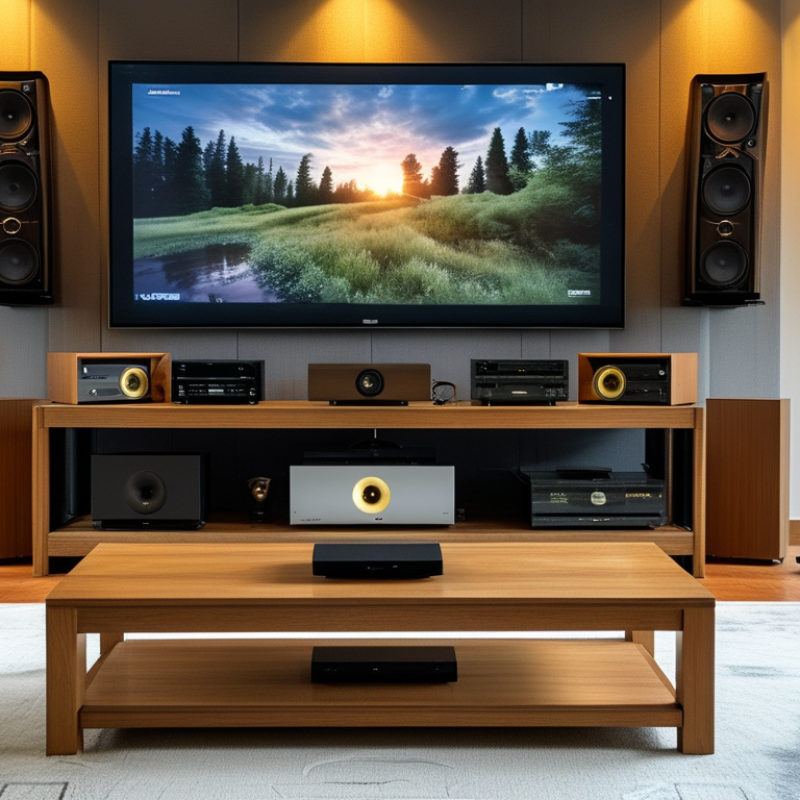
Understanding Whole Home Audio Systems: A Brief Overview
Whole Home Audio systems provide a seamless way to enjoy music throughout your living space. According to recent industry reports, the global market for these systems is expected to reach $10 billion by 2026. This growth reflects the rising demand for integrated audio solutions in modern homes.
When selecting a system, consider factors like compatibility and scalability. Many options allow for expansion over time, which is beneficial. Consumers appreciate flexibility in design and installation. However, some might struggle with complex configurations, leading to frustration. A focus on user-friendly systems could benefit those who are not tech-savvy.
Another critical point is audio quality. Reports indicate that listeners prioritize clarity and richness in sound. Poor acoustics can undermine the experience, highlighting the need for proper speaker placement and room treatments. Investing time in research is essential; every space has unique characteristics that affect sound. Understanding these nuances can help ensure a rewarding Whole Home Audio experience.
Key Features to Consider When Choosing an Audio System
When selecting a Whole Home Audio system, consider the type of speakers. Research indicates that in-wall and ceiling speakers can offer a clean look and save space. However, they may lack the full sound range of standalone speakers. A report from Sound & Vision states that 70% of users prefer the flexibility of floor-standing models, which can deliver richer sound.
Another critical feature is connectivity. Look for systems that support Wi-Fi, Bluetooth, and other wireless technologies. According to a survey by Consumer Reports, 65% of users prioritize wireless capabilities for their convenience. Some systems offer smartphone control, making them easier to use. However, integration issues may arise with older devices, requiring some users to adapt.
Lastly, evaluate the number of zones your system can support. Many homeowners might not realize they need multiple zones until they install their first system. A recent market study revealed that nearly 57% of users regret not having chosen a multi-zone system. This feature allows you to control audio in various rooms independently. It adds versatility but can complicate installation and setup. Be prepared for potential challenges when establishing multiple zones.
Types of Whole Home Audio Systems Explained
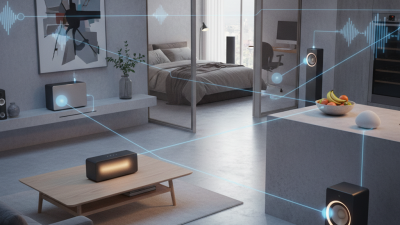
When exploring types of Whole Home Audio Systems, several options stand out.Multi Room Home Audio Systems are increasingly popular. These systems allow seamless audio streaming across multiple areas of your home. According to a recent study by Statista, about 35% of households in the U.S. have adopted multi room audio setups. This trend reflects a growing desire for integrated audio experiences.
Another option to consider is wireless audio systems. They offer flexibility and ease of setup. A report by MarketsandMarkets predicts that the wireless audio market will grow significantly, reaching $33 billion by 2025. Many users appreciate the convenience of controlling their music from a smartphone. However, some report connection issues. It’s essential to assess your home’s layout and network stability.
Wired audio systems provide high-quality sound. They often outperform wireless systems in sound clarity. Yet, installation can be complex and costly. A significant number of users might be put off by this. Balancing sound quality and ease of use is crucial. The right choice depends on your lifestyle and space.
Comparison of Different Types of Whole Home Audio Systems
This chart illustrates the popularity of various types of Whole Home Audio Systems based on user preferences. The data reflects a comparison of wired, wireless, smart speaker, multi-room audio, and home theater systems.
Assessing Your Space: Room Size and Layout Considerations
When selecting a Whole Home Audio system, understanding your space is crucial. The size and layout of your room can significantly affect sound quality. For a small room, consider wall-mounted speakers. They save space and direct sound efficiently. Larger rooms might benefit from floor-standing speakers to fill the space better. It's essential to ensure the speakers match the room's dimensions.
Room shape plays a role too. A square room may cause sound waves to bounce around, leading to echoes. An irregularly shaped room can enhance sound distribution. Take note of obstacles like furniture that might block sound. Soft materials like curtains or rugs can absorb sound, affecting clarity. Measure your room carefully to avoid unexpected issues.
Wiring and connectivity also depend on your layout. Open spaces may require more cable management. If you're not ready to drill holes, consider wireless options. Ideally, place speakers in the right positions for optimal sound. It's okay to experiment before settling on a final setup. Adjusting the arrangement might reveal better audio balance.
Budgeting for Your Whole Home Audio System
When budgeting for a Whole Home Audio system, you must consider several factors. The average cost can range from $1,000 to over $10,000, depending on your needs. According to a 2022 market research report, about 40% of homeowners spend approximately $3,000 on these systems. This investment can significantly enhance your audio experience, but planning is essential.
Start by assessing your space. Do you want multiple rooms connected, or just one? Smaller systems might cost less upfront but can limit sound quality. Larger setups may yield better acoustics. Installation fees also vary. Professional setups can add $500 to $1,500 to your budget. These costs should not be underestimated, as they ensure optimal performance.
Consider the future-proofing aspects of your purchase. Technology changes rapidly, and systems can quickly become outdated. Spending more upfront on a versatile system might save you money in the long run. Research indicates that about 30% of homeowners regret their audio choices due to insufficient research. Make informed decisions to avoid the pitfalls many others face. This planning can prevent financial strain while ensuring a satisfying audio experience in your home.
Integration with Smart Home Technology: What to Know
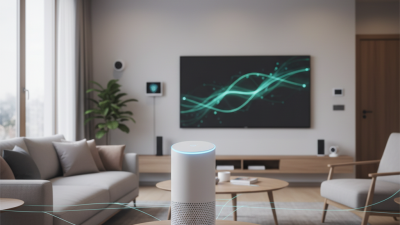
Integrating a whole home audio system with smart home technology enhances the listening experience. One key factor is compatibility. Ensure that your audio system can seamlessly connect to existing smart devices. Check for wireless capabilities, such as Wi-Fi and Bluetooth. This makes setup easier and improves flexibility in device placement.
Consider voice control as a crucial feature. It can simplify how you interact with your audio system. Imagine using voice commands to play your favorite playlist or adjust volume levels throughout your home. However, not all systems respond equally to voice commands. Testing responsiveness during your selection process is essential for satisfaction.
Think about your home's layout too. The audio experience can vary across different spaces. Be aware of how sound travels in large areas versus smaller rooms. Sometimes, adjustments like speaker placement are necessary. Reflecting on these factors allows you to choose a system that truly fits your lifestyle.
Top Brands and Models in Whole Home Audio Systems Today
When choosing an Entire Home Audio System, exploring the top brands and models is crucial. Different brands offer unique features and sound profiles. Understanding your needs can guide your selection. Some systems excel in deep bass, while others provide a crisp high-end. Look for user reviews to gain insights into real-world performance.
In today's market, several brands stand out for their reliability and quality. You might notice that some models are exceptionally user-friendly. Setup can be a breeze, but compatibility with existing devices varies. Certain systems also feature advanced technology for wireless streaming. This flexibility is key for a modern audio experience.
Nevertheless, many systems still have drawbacks. Some users find that sound quality diminishes in larger spaces. Others struggle with connectivity issues. Monitoring these reviews can help you avoid pitfalls. The right entire home audio system should reflect your listening habits and environment, enhancing your daily experiences.
FAQS
: In-wall and ceiling speakers save space but may lack sound range. Floor-standing models offer richer sound.
Systems with Wi-Fi and Bluetooth provide convenience. Many users prioritize wireless capabilities for ease of use.
More zones allow control in different rooms. Many users regret not choosing a multi-zone system.
Integrating audio systems with smart devices enhances the listening experience and improves setup flexibility.
Voice control simplifies interactions. However, not all systems respond well to commands, so testing is vital.
Audio quality can change based on space size. Adjustments, like speaker placement, may be needed for optimal sound.
Conclusion
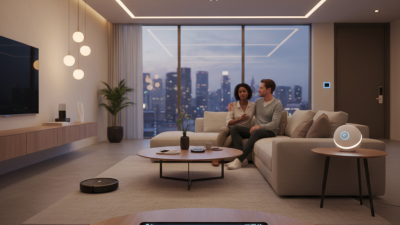
Choosing the best Whole Home Audio system involves understanding its key features, types, and how they integrate into your living space. Whole Home Audio systems enhance the listening experience throughout your home, allowing for seamless sound in multiple rooms. When selecting a system, consider aspects like room size, layout, and your budget, as these factors significantly influence the system's effectiveness and overall satisfaction.
Moreover, you should assess how well the audio system can integrate with existing smart home technologies. This integration can enhance usability and convenience, allowing control over your audio experience from various devices. By researching the current leading brands and models, you can find a Whole Home Audio solution that meets your specific needs while creating an immersive sound environment tailored to your lifestyle.