+86-13760248334 


Picking out a Home Automation Hub can honestly be pretty overwhelming. With so many options out there, it’s really important to get a clear sense of what you actually need. John D. Gibbons from SmartHome Solutions, for example, points out that "a great Home Automation Hub should make your daily routines easier rather than more complicated." That really highlights why it’s so vital to find a hub that fits seamlessly into your lifestyle.
Think about the devices you already have—how well they connect matters a lot. If you’re into smart bulbs, locks, or sensors, compatibility is key. Like, a Home Automation Hub Raspberry Pi can be a pretty cool pick if you’re comfortable with tech—it's super customizable. But fair warning: setting it up might be a bit tricky if you're not super tech-savvy, which could turn off folks who just want something simple to plug in and forget.
It’s also worth taking a step back and thinking about your immediate needs. How do you want to control your home? A good hub should grow with you, adapting as your needs change down the line. A lot of folks end up wishing they'd considered future plans when they first chose their system—so it’s a smart move to keep that in mind. All in all, choosing the right Home Automation Hub can seriously boost your convenience, but it’s definitely worth giving it some real thought beforehand.
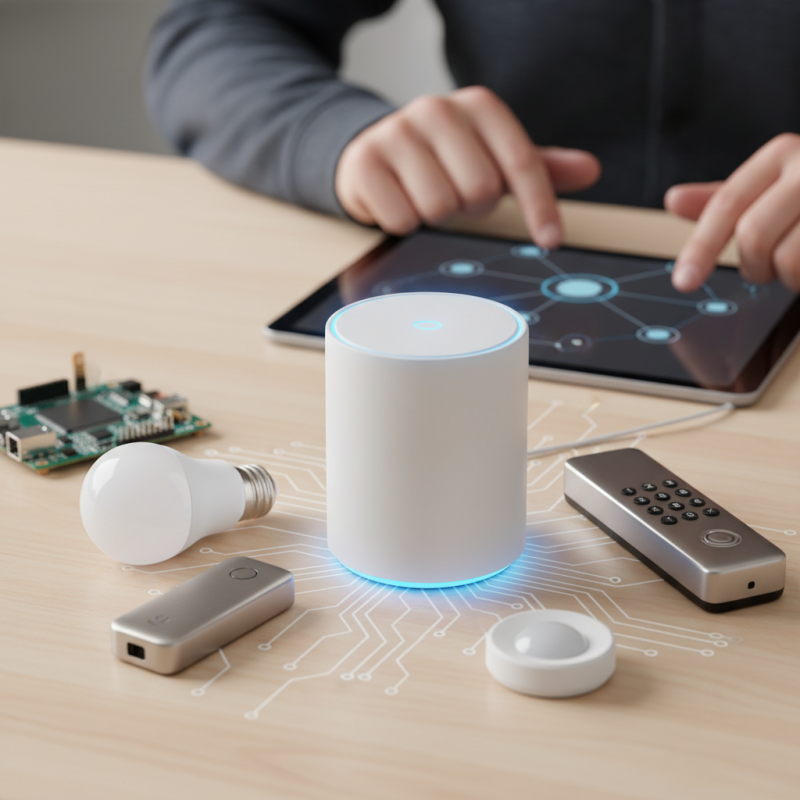
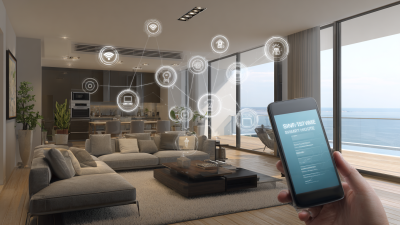
Home Automation Hub s act as the central command for Smart Devices. They allow different technologies to communicate seamlessly. With a good hub, you can manage lights, thermostats, and security systems from one place. Some hubs support various protocols, enhancing compatibility with different brands. Others might struggle with integrations, limiting device options.Choosing wisely based on your specific needs is vital.
Understanding the functions of a Home Automation Hub helps in making the right choice. Some hubs offer robust automation features, allowing advanced scheduling and routines. Others may lack these capabilities, resulting in a less efficient system.In some cases, the user interface can be confusing, making setup challenging. Not every hub will fit every home, and it's important to assess your existing devices. You may initially overlook how your current setup will interact with the hub. Reflecting on this can help avoid future frustrations.
A well-chosen Home Automation Hub can simplify tasks and enhance daily life. However, compatibility and ease of use play critical roles in its overall performance. A hub that works well today might not fit your future needs. Therefore, it’s wise to think about scalability and upgrades.What seems perfect now may need adjustments later.
Identifying your home automation needs and goals is essential for choosing the right hub. Start by considering what areas of your home you want to automate. Do you want to control lighting, security, or heating? According to a report by MarketsandMarkets, the global Smart Home market is expected to reach $151 billion by 2024. This growth highlights the increasing interest in automation.
Think about your lifestyle. Are you frequently away from home? A hub managing security devices could be beneficial. Are you eco-conscious? Automation for energy efficiency may align with your values. Statistics reveal 80% of homeowners see energy savings as a key benefit of smart home systems. However, it’s vital to be realistic about the technology you adopt. Not all devices are compatible. Some hubs may limit expansion, which could hinder future automation plans.
Consider your level of tech comfort. Some hubs offer user-friendly interfaces, while others require technical knowledge. Research shows that 42% of users abandon smart home projects due to complexity. Reflect on your experiences with technology. Simplifying your automation goals can lead to better satisfaction. Aim for a balance between ambition and practicality when setting your automation objectives.
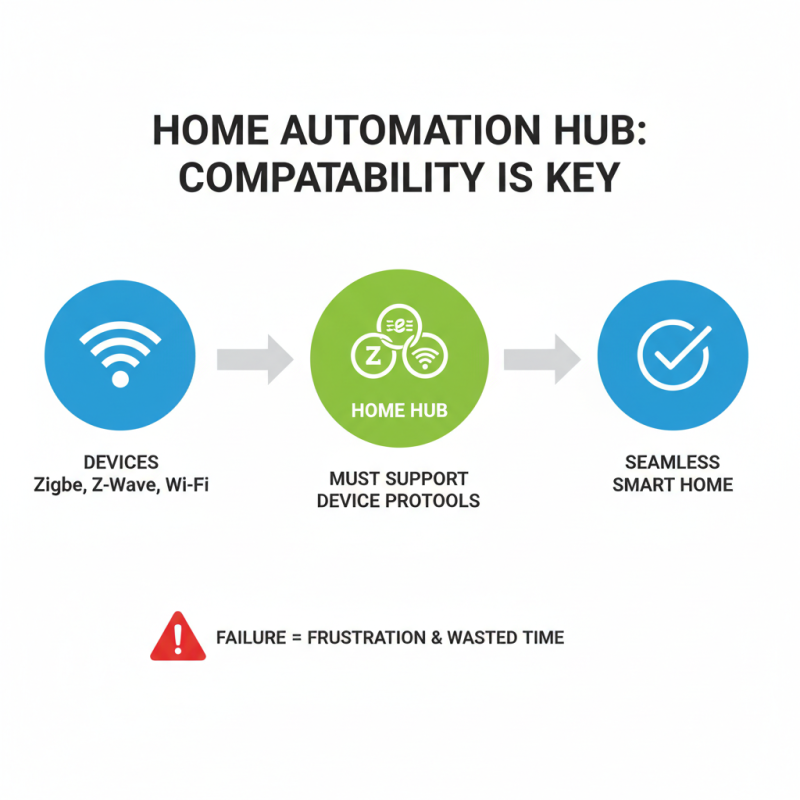
When selecting a home automation hub, compatibility with your smart devices is crucial. Many devices use different protocols, such as Zigbee, Z-Wave, or Wi-Fi. Ensure your hub supports the protocols used by your devices. Failing to do this can lead to frustration and wasted time.
Check the list of compatible devices before making a purchase. Some hubs may not support popular products. This oversight might limit your smart home experience. It’s essential to read user reviews and forums for real-life compatibility stories. These insights can highlight issues you might not easily find elsewhere.
Also, consider future expansions. Technology evolves quickly. A hub that fits your needs today might not support your new devices tomorrow. This uncertainty can hinder your smart home journey. It's worth reflecting on whether the hub can adapt with you. Planning for future integrations can save you from purchasing another hub too soon.
When choosing a home automation hub, the user interface is crucial. It should be intuitive. An easy-to-navigate design enhances user experience. Look for features like voice control options or touchscreens. These tools can simplify daily tasks. Accessibility is another vital aspect. Some hubs offer visual aids for the hearing impaired. Others include larger buttons for better visibility.
Consider your specific needs. For some, a complicated interface can be frustrating. It could lead to missed automation opportunities. If the interface lacks clarity, time may be wasted. A hub that is not seamless may hinder your daily routine. Explore customization options. You might want a personalized dashboard. This can elevate the overall interaction with your devices.
Analyze potential drawbacks. Not all hubs cater to every user type. Some may fall short in accessibility features. It is important to gather feedback from various sources. Users’ experiences can help you make a better choice. A hub should empower you, not complicate your life. Choose one that resonates with your needs. The right interface fosters ease and efficiency.
When selecting a Smart Home Automation Hub, integration is key. Voice assistants have become popular in many homes. They can control lights, thermostats, and even security systems. Choosing a hub that works well with these assistants enhances your experience. Consider how well the hub communicates with devices you already own. Not all hubs are compatible with every system.
You might find that some hubs have limited support for certain brands or protocols. It's vital to understand the implications. Frustration can arise when devices fail to connect seamlessly. Check community forums for common issues, as they provide insight into real user experiences. Some tools might look good on paper but do not perform well in practical scenarios.
Another consideration is updates and support. Technology evolves rapidly, and regular updates are crucial for security. Hubs that fall out of support can become vulnerable. Spending time researching your options can save you from future headaches. A well-selected Smart Home Automation Hub adapts as your needs change and grows with you.
When choosing a home automation hub, security features are essential. A reliable Smart Home Controller Hub should offer encryption for data transmission. This protects your personal information from prying eyes. Look for hubs that support two-factor authentication. It adds an additional layer of security. Some systems may lack robust security protocols. This can leave your home vulnerable.
Data privacy measures are equally important. Review the hub's privacy policy carefully. Understand how your data will be used. Is your information shared with third parties? Many hubs collect usage data, which can be a concern. Some may even store information without your permission. Ensure the hub grants you control over your data.
Not all hubs are created equal. Some may focus too much on connectivity, neglecting security. Test the features before making a purchase. Read user reviews for insights into potential vulnerabilities. A good Smart Home Controller Hub balances convenience and security. Make sure yours does the same.
| Feature | Hub A | Hub B | Hub C |
|---|---|---|---|
| Encryption Type | AES-256 | TLS 1.3 | AES-128 |
| User Authentication | Two-factor authentication | Single Sign-On | Username/Password |
| Data Storage Location | EU | US | Global |
| Privacy Policy Transparency | High | Medium | Low |
| Regular Security Audits | Yes | No | Yes |
| User Data Collection | Minimal | Moderate | Extensive |
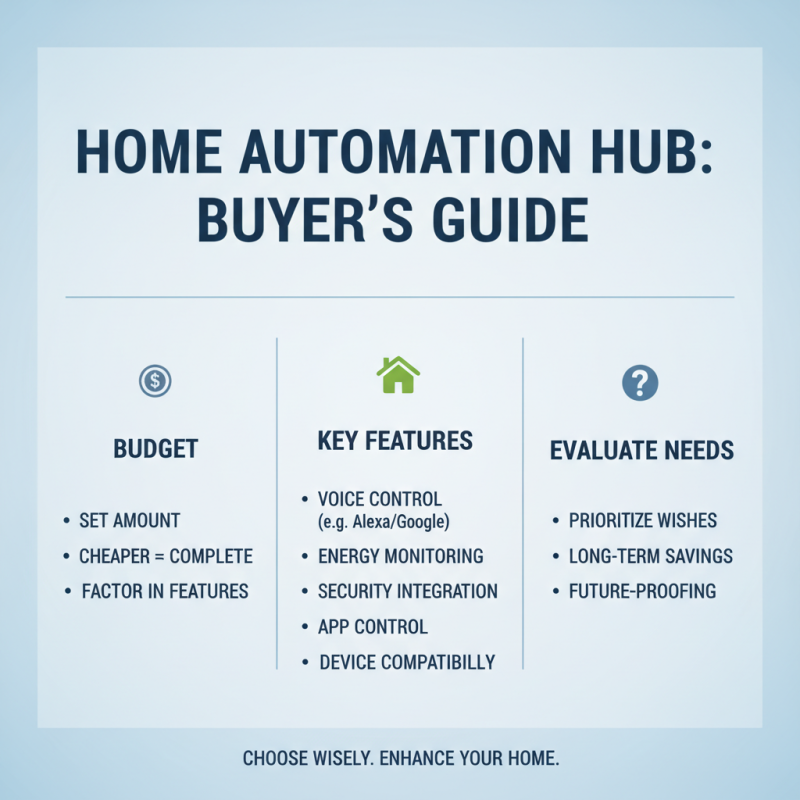
When choosing a home automation hub, budget is crucial. You might set aside a clear amount for technology. But remember, cheaper options may lack essential features. Evaluate your needs carefully. For instance, do you want voice control or energy-efficient integrations? These features can vary significantly in price.
Look beyond initial costs. Consider long-term expenses, including energy consumption. Some Home Hubs offer energy savings that can reduce bills over time. Researching available options can be overwhelming. Each home hub operates differently, and learning curves can be steep. Be prepared to invest time in understanding integrations and compatibilities.
Think about your space as well. Some hubs may require extensive setups. A complicated installation could lead to frustration. You might think you want the latest technology, but practicality often reigns. A simpler setup could save headaches later. Balance your desires against your budget and needs. This reflection can guide you to the right choice.
: The articles aim to provide insights and information on various topics.
The content is for individuals seeking knowledge and understanding about specific subjects.
The articles offer a good level of detail but may leave some questions unanswered.
No, the articles primarily consist of text without accompanying images or charts.
The information is based on data available up to October 2023.
While most facts are accurate, some may require further verification or clarification.
The articles might not cover multiple perspectives on all issues discussed.
The writing style is generally straightforward but can feel a bit rigid at times.
Yes, feeling curious and asking more questions is absolutely encouraged.
Some examples are given, yet they may not always be clear or applicable to everyone's situation.
When choosing the best Home Automation Hub for your needs, it's essential to understand the various functions these hubs serve in managing smart home devices. Begin by identifying your specific home automation goals, whether that involves controlling lighting, security systems, or climate, to ensure the hub meets your particular requirements.
Next, evaluate the compatibility of the hub with your existing smart home devices, as seamless integration is crucial for efficiency. Assess user interface and accessibility features to determine how easily you can navigate the system. Additionally, consider how well the hub integrates with voice assistants and other systems you may already use, along with reviewing its security features and data privacy measures to protect your information. Lastly, analyze your budget constraints to explore available options that align with your financial considerations while still fulfilling your automation needs.