By 2026, the world of Smart Home lighting keeps on changing, and honestly, it can get a bit overwhelming trying to keep up with all the new tech. I mean, with so many options out there, it’s easy to feel torn. Jane Smith from Lumos Technologies puts it nicely—she says, 'The right lighting can totally change your space and even your mood.' That right there just proves how important it is to pick carefully when you're looking atsmart home lighting systems.
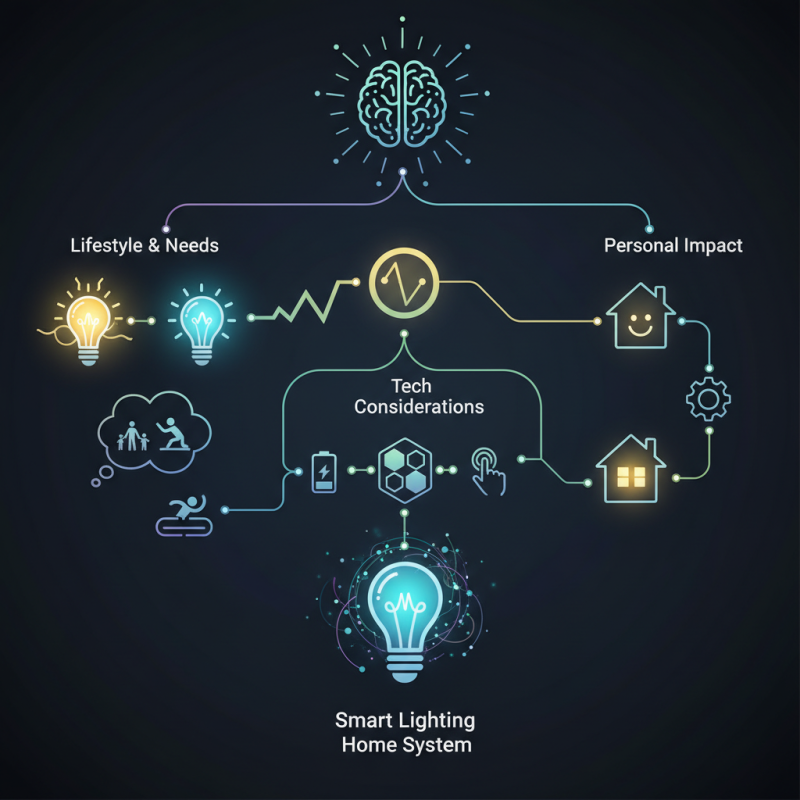
Choosing the perfect system isn’t just about grabbing whatever looks good. You gotta think about your lifestyle and what you actually need. Do you fancy a cozy, warm glow, or do you prefer bright, energizing lights to kick off your day? Trust me, each choice can really change how you feel and how your day unfolds.
Don’t forget to consider stuff like energy efficiency, whether it works smoothly with your existing gadgets, and just how easy it is to use. Not every system plays nicely with what you already have, so taking a minute to reflect on your personal habits can save you a lot of headaches later. Smart Lighting can totally make your home more comfortable, but it’s worth giving some thought to what actually works for you—that way, you get the most out of it.
Understanding Smart Lighting Technologies Available in 2026
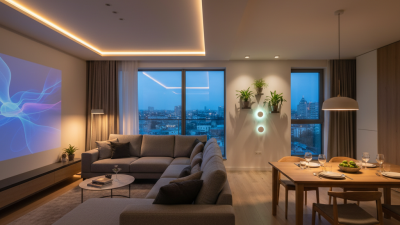
In 2026, Smart Lighting technologies offer exciting possibilities. Many options are available, but understanding them is crucial. Advanced systems allow for adaptive brightness and color changes. You can customize lights based on mood or activity. For instance, a warm light can create a cozy atmosphere for family gatherings. In contrast, bright white light suits focused work or study.
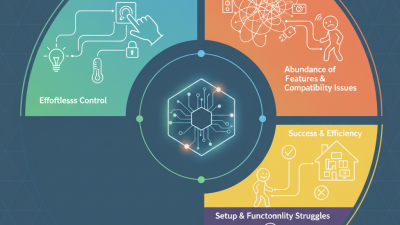
The Smart Home Lighting Control System is at the forefront of this trend. You can manage everything remotely through smartphones or voice commands. However, the range of features can be overwhelming. Some users find themselves lost in settings or options that feel too complex. Additionally, compatibility between devices may vary. Not all products work seamlessly together, leading to frustration during setup.
Moreover, energy efficiency is a key consideration. While Smart Lighting can save energy, not all options are created equal. Some technologies are still in development and may not be as reliable. Think about your specific needs before investing. While innovation is exciting, ensuring it fits your lifestyle is even more vital. Balancing cutting-edge features and practical use is something every homeowner must ponder.
Smart Lighting Technologies Adoption in 2026
Key Features to Consider When Choosing Smart Lighting
When choosing Smart Lighting for your home, several key features are essential. One major aspect iscompatibility. Research indicates that 42%of consumers prioritize compatibility with existing home systems. Make sure your smart bulbs can easily integrate with Home Assistants. They should work seamlessly with your devices. Failing to ensure compatibility can lead to frustration and extra costs.
Another crucial factor is energy efficiency. According to the U.S. Department of Energy, Smart Lighting can reduce energy consumption by up to30%. Look for bulbs with high lumens per watt. This means you get more light while using less energy. Some smart lights even offer scheduling options, allowing you to customize your usage and further cut down on bills. However, navigating features and finding the right settings can be tricky, leading some users to underutilize their smart systems.
Lastly, consider the quality of light. Color temperature and brightness levels matter significantly. Studies show that 54% of users prefer adjustable color temperatures. Be aware that not all bulbs display true color. Sometimes the lighting can appear harsh or unnatural. Finding the right mix for your space can be a process of trial and error. Remember, personal preference plays a big role. It's essential to experiment until you find the perfect ambiance.
Evaluating Compatibility with Smart Home Systems and Devices
When choosing Smart Lighting for your home, compatibility is crucial. A report from the Consumer Technology Association states that over 70% of smart home users prioritize seamless integration. This interconnectivity allows smart lights to interact with devices like thermostats, security cameras, and voice assistants. Imagine adjusting your lighting based on the time of day or your mood, thanks to well-integrated systems.
However, not all systems play well together. Some smart lights may not function properly with certain hubs, leading to frustration. A study from Smart Home Market Insight indicates that 40% of users experience compatibility issues. This means you must research the devices already in your home before making a purchase. Checking compatibility can save time and money.
Consider the protocols your smart home devices utilize. Z-Wave, Zigbee, and Wi-Fi are common, but they aren't universally compatible. A mismatch can leave you with products that just won't connect. Reflecting on these potential pitfalls may help in making a more informed decision. Ensure that your lighting setup aligns with the existing technology in your home for an efficient and effective experience.
Assessing Energy Efficiency and Cost Savings of Smart Lighting
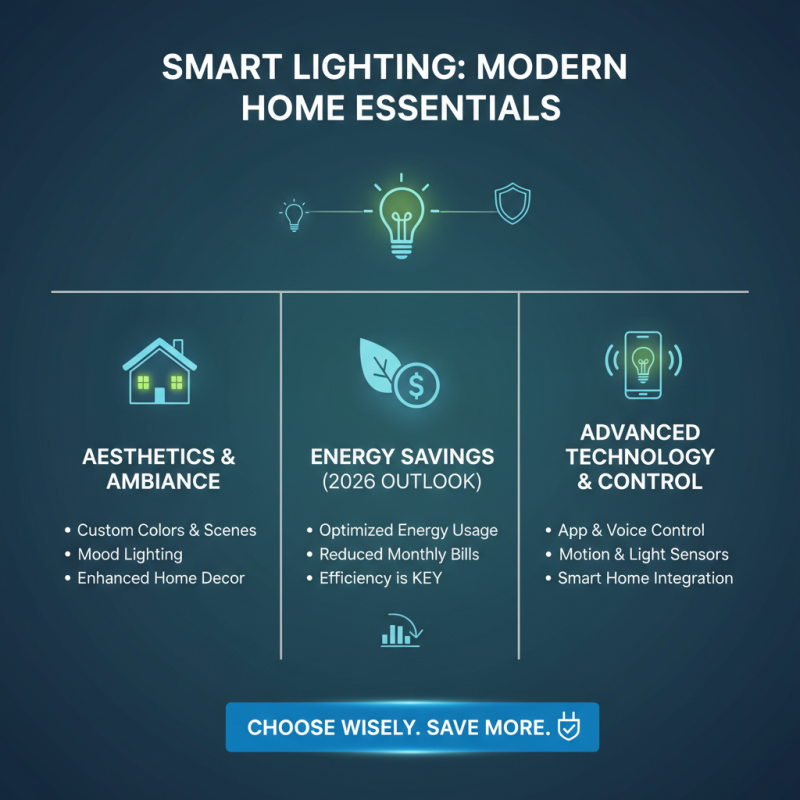
Smart lighting has become essential in modern homes. It not only adds aesthetic value but also offers potential savings. This technology can optimize energy usage, reducing your monthly bills. With advances by 2026, assessing energy efficiency is vital when choosing smart lighting for your home.
When selecting smart lighting, consider energy ratings. High-efficiency bulbs consume less power. Look for products labeled with energy certifications. They ensure lower consumption and significant cost savings over time. Use a smart app to monitor usage. This can reveal patterns and help you adjust settings.
It’s also wise to evaluate your needs. Not all rooms require the same lighting. Over-lighting can lead to waste and higher costs. Think about the ambiance you desire. Perhaps a dimmer in the living room can create a cozy atmosphere. But remember, poor selection can lead to regret and wasted energy. Choosing the right Smart Lighting Home setup requires thoughtful consideration.
Exploring Design and Aesthetic Options for Smart Lighting
Lighting plays a crucial role in home aesthetics. In 2026, the choices for smart lighting are vast. Homeowners now prioritize design alongside functionality. Recent research shows that 72% of consumers consider aesthetics equally important as energy efficiency. Smart lighting can enhance spaces and complement decor.
When selecting fixtures, think about the style of your home. Minimalist designs blend seamlessly into modern interiors. Vibrant colors and unique shapes can add personality to any room. Reports indicate that 65% of buyers opt for customizable options that fit their individual tastes. It's essential to ensure that your Home Lighting Control systems support these aesthetic goals. These systems should allow for easy integration with other smart devices, creating a cohesive environment.
However, not every smart lighting solution meets aesthetic standards. Some units might look clunky or overpowering in a serene space. A reflection on personal preferences is crucial. Identify what truly resonates with your home's vibe. As you explore the market, consider how each design aligns with your vision. The right balance of style and functionality will pave the way for a harmonious home ambiance.
How to Choose Smart Lighting for Your Home in 2026? - Exploring Design and Aesthetic Options for Smart Lighting
| Lighting Type | Color Temperature (Kelvin) | Energy Efficiency (Lumens/Watt) | Control Options | Aesthetic Style |
| LED Bulbs | 2700K - 6500K | 80 - 100 | App, Voice Control | Modern, Minimalistic |
| Smart Chandeliers | 3000K - 5000K | 60 - 80 | App, Remote Control | Elegant, Traditional |
| Smart Floor Lamps | 2700K - 5000K | 75 - 90 | App, Touch Control | Contemporary, Industrial |
| Smart Outdoor Lights | 3000K - 4000K | 70 - 85 | Motion Sensors, App | Rustic, Modern |
| Smart Strip Lights | 2000K - 6000K | 100 - 120 | App, Voice Control | Versatile, Fun |
User Experience: Interface and Control Options for Smart Lighting
In 2026, smart lighting can enhance your living experience. When choosing a system, consider the user interface. Touchscreens are popular, but they can be tricky for some. Voice control options are convenient. However, they may not work perfectly in noisy environments. Think about your space and personal preferences.
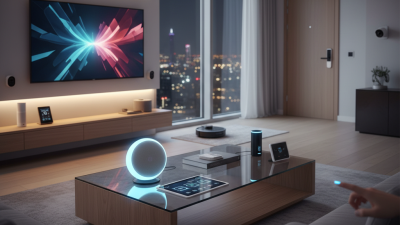
Another factor is integration with existing devices. A Smart House Lighting Control System should seamlessly connect with your home automation. Look for systems that offer a mobile app. It allows you to control lights from anywhere. Yet, some apps might feel cluttered. It’s crucial to find one that feels intuitive.
Reflect on how you use light daily. Do you prefer bright lighting for work or softer tones for relaxation? Your smart system should adapt to your routines. Explore different settings and modes. But don’t be surprised if it takes time to find the right balance. Smart home technology is evolving, and so are user needs. It’s all about finding what works best for you.
Future Trends in Smart Lighting: What to Expect Beyond 2026
The smart lighting market is rapidly evolving. By 2026, it is expected to reach a valuation of over $70 billion globally. This growth reflects an increasing demand for energy-efficient and customizable home lighting solutions. Users desire flexibility in controlling their environments. The blend of aesthetics and functionality is shaping future designs.
In the upcoming years, we might see advancements in AI integrations. Smart lighting could learn individual preferences over time. For instance, lights might adjust based on the occupants' activities or moods. Reports suggest that 65% of users find automated adjustments enhance their living spaces. However, there are challenges. Not all systems adapt seamlessly. Connectivity issues can frustrate users.
Another key trend involves sustainability. Eco-friendly materials will likely dominate manufacturing processes. Industry studies indicate that homes with smart lighting can save up to 30% on energy costs. This could lead to a significant reduction in carbon footprints. However, not all users are aware of the potential benefits. Education about these innovations is crucial for widespread adoption.
Enhancing Your Smart Home Experience: A Comprehensive Guide to H9 Smart Home Hub Controller
In today's increasingly connected living environments, enhancing your smart home experience can significantly improve convenience, energy efficiency, and overall safety. The H9 Smart Home Hub Controller offers some remarkable features that cater to these needs, making it an excellent addition for anyone looking to optimize their home automation system. According to recent reports, smart home devices can reduce energy consumption by up to 30% when efficiently managed, emphasizing the importance of a highly responsive hub like the H9.
One of the standout features of the H9 is its adoption of a Linux operating system, which not only ensures stability but also contributes to energy savings due to its low power requirements. With an emphasis on offline functionality, the H9 allows for local control of essential smart home devices, ensuring that operations remain unaffected even during network outages. This capability is particularly crucial, as research has shown that nearly 20% of smart home users have experienced connectivity issues, underlining the need for a reliable solution that prioritizes uninterrupted operation.
In addition to its robust performance, the H9 Smart Home Hub Controller includes various safety features designed to protect users and their electronic devices. With over-temperature protection, overload protection, and lightning surge detection, it establishes a higher standard for electrical safety within the smart home ecosystem. As reported by industry analysts, ensuring safety in smart home technology is vital, as consumer confidence can directly influence adoption rates. With products like the H9, users can rest assured that their smart home setups are not only innovative but also secure.
FAQS
: Various categories exist, such as electronics, clothing, and home goods. Each offers unique features and designs.
Check reviews and ratings from previous customers. Quality can be subjective and varies between items.
Many brands now offer sustainable choices. Look for certifications indicating eco-friendliness and ethical sourcing.
Consider your budget, needs, and product specifications. Don't rush. Take time to research and compare options.
Understand the return policy before buying. Keep packaging intact for easier returns. It reduces hassle significantly.
While many are genuine, some can be misleading. Look for patterns in feedback rather than relying on one review.
Contact customer support immediately. Document the damage with photos. Prompt action typically leads to resolutions.
Regular cleaning is important but varies by usage. Monthly dusting can keep devices in good condition.
This depends on the product's price and reliability. Sometimes it provides peace of mind; sometimes it doesn’t.
Follow relevant blogs or join mailing lists. Staying updated can enhance your purchasing decisions over time.
Conclusion
In 2026, choosing the right smart lighting for your home involves understanding the evolving technologies that enhance residential environments. Key features to consider include light quality, color temperature adjustments, and integration with existing smart home systems. Evaluating compatibility ensures that your smart lighting can seamlessly connect with devices for better automation and convenience.
Energy efficiency and cost savings play a crucial role in this decision, as many smart lighting options offer significant reductions in energy usage. Additionally, exploring design and aesthetic options allows homeowners to select fixtures that complement their interior styles. User experience is enhanced through intuitive interfaces and control options, paving the way for greater accessibility. Finally, staying informed about future trends in smart lighting can help anticipate innovations that will further enrich the smart lighting home experience.

 +86-13760248334
 CONTACT x-focus
 CONTACT x-focus