Thinking about the best Smart Home Devices in 2026? Honestly, it can feel a bit overwhelming. There are so many options out there, and it’s easy to get lost in the mix. Companies like Amazon and Google keep rolling out new features all the time, which sounds impressive, but not every device actually lives up to the hype when it comes to reliability and security. It’s a bit of a wild west right now.
The whole point of Smart Home tech, after all, is to make life easier, right? But sometimes, trying to connect all these gadgets can turn into a headache. You’ve gotta ask yourself—are these devices really making things simpler, or just adding unnecessary clutter? And don’t forget about security—it's super important. There are risks if your system isn’t solid enough, and a lot of folks tend to overlook this when they’re choosing what to buy.
Honestly, the best move is to figure out what you actually need. Are you mainly interested in saving energy, or is making sure your home is secure your top priority? Pick what makes sense for *your* lifestyle instead of just jumping on the latest trend. As technology keeps changing, it’s also smart to revisit your choices now and then. That way, your Smart Home stays safe, functional, and tailored to what really matters to you.
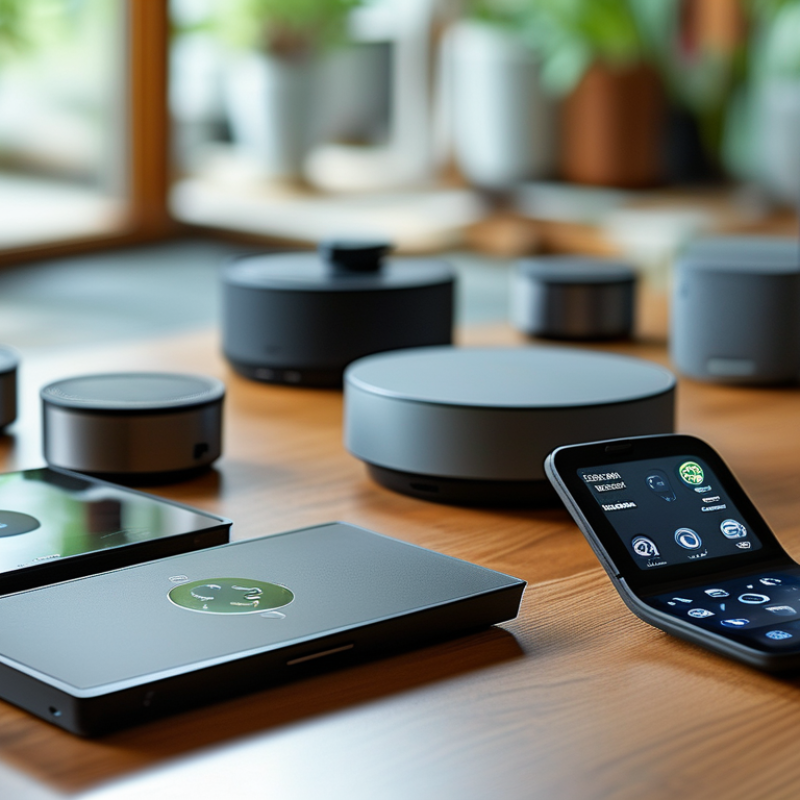
Identifying Your Smart Home Needs and Priorities for 2026
In 2026, identifying your smart home needs is crucial. Think about what areas in your home can benefit the most from automation. Do you want better security, energy efficiency, or convenience? Prioritize your needs. If you live in a large space, consider Smart Lighting that can be controlled remotely. For smaller areas, a smart thermostat might be more practical. Assessing these factors helps you make informed decisions for your home.
Next, reflect on how often you will use these devices. Some might find joy in Home Automation Smart Homedevices, while others may not utilize them fully. It’s worth pondering the balance between smart technology and daily life. Are these gadgets genuinely enhancing your lifestyle? Or do they complicate it? Investing in Smart Home Devices should improve your comfort, not add unnecessary stress.
Lastly, consider your long-term plans. Will your needs change in a few years? You might want flexibility in your choices. Opt for devices that can be easily integrated into your existing home setup. Compatibility is essential; ensure that your selections work well with each other. This allows you to adapt as your lifestyle evolves, creating a truly smart environment tailored to your unique needs.
Understanding Different Types of Smart Home Devices Available
When selecting smart home devices, understanding the various types available is crucial. Smart Lighting systems offer convenience and energy savings. With options like dimmable LED bulbs and color-changing lights, users can enhance moods and optimize energy use. Home security devices, including smart cameras and locks, provide peace of mind. The ability to monitor your residence remotely adds to overall safety and control.
Smart thermostats are another vital category. They learn your routines and adjust temperatures accordingly, which can lead to significant savings on energy bills. Voice assistants can manage various devices, making them an essential hub for any smart home setup. However, it's important to evaluate privacy concerns. Sometimes, users might overlook the data collected by these devices.
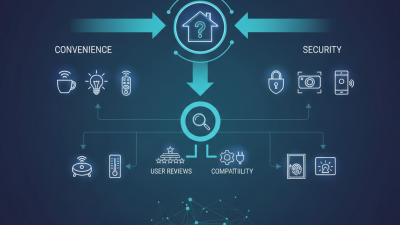
In addition, consider interoperability between devices. Some systems may not work well together, leading to frustration. Testing device compatibility before purchasing is prudent. User reviews can highlight issues that might not be immediately visible. Doing thorough research ensures you get the most out of your investment, while avoiding regretful purchases.
Evaluating Compatibility with Existing Home Systems and Technologies
When choosing smart home devices for 2026, it's crucial to evaluate how well they integrate with your existing systems. Compatibility ensures seamless operation, maximizing your investment’s potential. A report by MarketsandMarkets predicts that the smart home market will grow at a CAGR of 25% from 2021 to 2026. This highlights the urgent need for devices that can easily connect and communicate.
A significant aspect of compatibility is your home’s wiring and Wi-Fi strength. Many smart home appliances require robust connectivity. Ensure that devices, such as a Smart Home Lighting System, function well with your current routers. Weak signals can throw off even the most advanced devices, causing frustration.
Tip: Test your Wi-Fi coverage using a simple app before purchasing new devices.
Another factor to consider is the compatibility with voice assistants and automation hubs. According to a study by Statista, nearly 40% of smart home users combine devices that work with either Amazon Alexa or Google Assistant. This choice can limit your options if you don’t ensure compatibility from the start.
Tip: Look for devices with multiple compatibility options to avoid frustration later on.
Balancing all these factors with personal preferences will guide your choices. A focus on multi-device ecosystems can provide a more integrated and enjoyable smart home experience.
Researching Brand Reputation and User Reviews for Smart Devices
When researching smart home devices in 2026, brand reputation plays a crucial role. A study by Gartner indicated that 70% of consumers rely on brand trust when choosing technology products. This trust can stem from years of product reliability, innovation, and customer support responsiveness. Brands that actively incorporate customer feedback tend to build stronger reputations, making their devices more appealing.
User reviews add another layer of insight to your device selection. According to a report from Statista, 80% of consumers check online reviews before purchasing electronics. These reviews often highlight real-world functionality. Positive experiences can tip the scales toward a purchase, while frequent mentions of issues should raise red flags. Lack of meaningful responses to reviews can also indicate a potentially risky investment.
Finding a device with a strong user rating and a solid brand reputation can be daunting. Many consumers discover discrepancies between marketing promises and actual performance. Tracking user feedback over time can be essential. This helps in discerning whether high ratings reflect genuine consumer satisfaction or a temporary trend. Choices of devices may seem overwhelming, and reflecting on your specific needs is vital.
Considering Security Features and Data Privacy in Smart Home Devices
When choosing smart home devices, security features and data privacy should be top priorities. Many devices collect data, and this information can be vulnerable to breaches. It's crucial to ensure that devices have robust encryption processes in place. Look for devices that offer regular updates to their security protocols. This habit will help safeguard your information effectively.
Smart Home Central Control can streamline your security settings. This feature allows you to manage various devices from a single platform. However, some users forget to change default passwords. This oversight can leave systems exposed. Utilizing strong, unique passwords is fundamental for protection.
Data privacy also involves understanding how companies use your information. Some devices track usage patterns and preferences. It’s important to read privacy policies. Not all companies prioritize user privacy equally. By being informed, you can choose devices that respect your data. Ultimately, consider both security and privacy as essential elements in your smart home choices.
Assessing Cost vs. Value: Budgeting for Smart Home Investments
When budgeting for your smart home investments in 2026, evaluating cost versus value is essential. Many devices promise efficiency but vary widely in price. Look for features that truly enhance your lifestyle. Smart home devices should simplify daily tasks, not complicate them.
Tips: Compare similar devices. Don't settle for the first option. Research user reviews and seek expert opinions. Sometimes, less expensive models provide adequate functionality. For instance, Alexa Smart Home Automation can be incredibly useful, but ensure its capabilities align with your needs.
Consider long-term savings over initial costs. Energy-efficient devices often result in lower utility bills. Factor in maintenance and potential upgrade costs as well. Reflect on whether the investment aligns with your long-term goals. Smart homes can be a huge benefit, but frivolous spending can lead to regret. Aim for a balanced budget that values quality over quantity.
Keeping Up with Emerging Trends and Innovations in Smart Technology
The world of smart technology is rapidly evolving. In 2026, we are likely to see even smarter devices that integrate seamlessly into our daily lives. Trends indicate a shift toward energy efficiency and sustainability. Devices that monitor energy consumption are gaining popularity. They help reduce costs and lower carbon footprints.
Artificial intelligence is another game-changer. Smart home devices are becoming more intuitive. They learn from user behavior, offering personalized experiences. Imagine a thermostat that adjusts itself based on your routines. Voice-activated assistants will likely manage more complex tasks as well.
However, there are challenges. With the rise of smart devices, concerns about privacy and security are prominent. Data breaches are a real threat, and users must remain vigilant. Not all devices are created equal. Some may not provide adequate security measures. Researching products thoroughly is crucial. This will enable you to make informed choices. Embracing innovation and remaining cautious is key to navigating this new landscape.
Smart Home Device Popularity Trend in 2026
Unlocking the Future of Smart Living: Insights and Trends from the 2023 Smart Home Market Report with H9 Smart Home Hub Controller
As we delve into the latest insights and trends highlighted in the 2023 Smart Home Market Report, the evolution of smart living continues to pave the way for a more connected and efficient lifestyle. A key pillar of this advancement is the integration of innovative devices that not only enhance comfort but also prioritize energy efficiency and stability. With a robust Linux operating system, the latest smart home hub controllers are designed to operate seamlessly, minimizing energy consumption while providing consistent performance.
One of the standout features of these smart home solutions is their capability for offline availability. Homeowners can enjoy basic functionalities without internet connectivity, ensuring that essential controls are maintained even during network disruptions. This offline accessibility, combined with a compact audio configuration featuring multiple speakers, makes them ideal for smaller living spaces, where smart solutions are crucial for optimizing environment and functionality.
Moreover, safety and reliability remain at the forefront of smart home technology. Modern controllers are equipped with advanced protection mechanisms such as over-temperature protection, overload protection, and lightning surge detection, which ensure electrical safety and peace of mind for users. This holistic approach not only empowers individuals to manage their living spaces intelligently but also fosters a sustainable environment that prioritizes safety and efficiency.
FAQS
: Compatibility ensures devices can connect smoothly with existing systems, maximizing your investment's potential.
Verify that your Wi-Fi signal is strong. Weak connections can prevent smart devices from functioning properly.
Use a simple app to check coverage before purchasing new smart devices. This may save you frustration.
Ensure your chosen devices work with popular voice assistants. This avoids compatibility issues later on.
Choose devices with strong encryption and regular updates. This helps protect your data from breaches.
It's very important. Not changing default passwords can leave your systems insecure and exposed to risks.
Understand how companies handle your data. Read privacy policies to ensure your information is respected.
Energy efficiency and artificial intelligence are key trends. They enhance device functionality and user experience.
Privacy and security concerns have increased. Users need to be vigilant and research devices thoroughly.
Stay informed about product security features while adopting new technologies. Balance innovation with careful research.
Conclusion
In 2026, selecting the best Smart Home devices requires a thoughtful approach to ensure they meet your needs and priorities. Start by identifying what you want to achieve with your Smart Home setup, whether it's enhancing security, improving energy efficiency, or increasing convenience. Understanding the various types of Smart Home devices available is crucial, as is evaluating their compatibility with your existing systems.
Equally important is researching the brand reputation and user reviews to ensure reliability and performance. With data privacy and security being paramount, considering these aspects can help protect your home network. Budgeting wisely by assessing the cost versus value of devices will lead to better investments. Lastly, staying informed about emerging trends and innovations will allow you to adapt your Smart Home to advancements in technology, ensuring it remains efficient and effective.