You know, the Smart Home industry is really booming lately. I mean, a recent report from MarketsandMarkets says the global market for Smart Home tech is expected to hit around $174 billion by 2026. And a big chunk of that growth is thanks to devices likeSmart Home Touch Panels. These gadgets are pretty much the heartbeat of making our homes more intuitive and user-friendly these days.
I recently read what Dr. Emily Carter, who's pretty much an expert in smart home tech, had to say. She mentioned that a good quality Smart Home Touch Panel really makes it easier for folks to interact with their smart systems and boosts home automation overall. That kinda underscores how crucial it is to choose the right sourcing partner, especially since the market’s so competitive. With so many ODM suppliers out there, it can be honestly tough to figure out which ones are actually good.
Picking the right supplier isn’t just about getting top-notch products; it’s also about making sure your customers are happy. Sometimes, companies overlook things like how well the tech integrates or how user-friendly the interface is. It’s really worth reflecting on past choices, you know? Ideally, a partner should balance innovation and reliability — because, at the end of the day, the Smart Home Touch Panel needs to keep up with what consumers want and expect as things keep evolving.
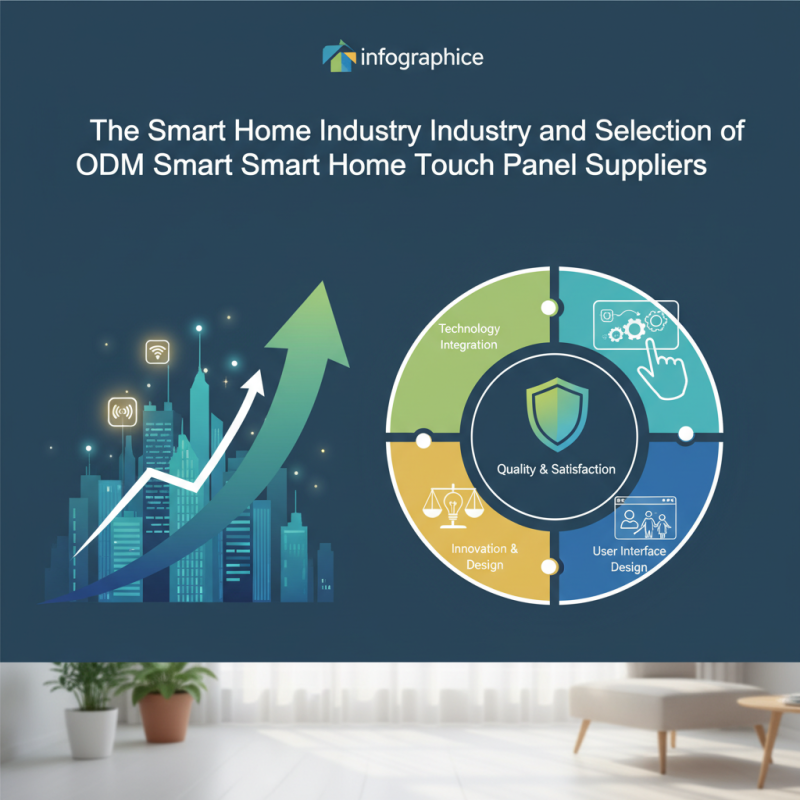
In 2026, the ODM Smart Home Touch Panel market is evolving rapidly. Recent reports indicate a projected growth rate of 15% annually. This growth is driven by rising consumer demand for smart Home Automation. More homeowners now seek user-friendly interfaces for better control over their devices.
Understanding market dynamics is crucial. Factors like innovative designs, price sensitivity, and compatibility with existing systems influence supplier selection. A recent survey revealed that 70% of consumers prioritize seamless integration with smart assistants. Yet, many suppliers struggle with balancing quality and affordability. This creates challenges in meeting diverse consumer needs and expectations.
Additionally, industry players face increasing competition from both established brands and new entrants. Many suppliers underestimate the importance of after-sales support and customer feedback. As the market matures, a focus on continuous improvement and responsive service can become distinguishing factors. These reflections highlight the importance of not just technology but the entire customer experience in the ODM smart home touch panel sector.
When selecting ODM smart home touch panels, key features play a crucial role in quality assurance. One significant factor is the responsiveness of the Touch Switch. Reports indicate that panels with faster response times offer enhanced user satisfaction. A delay of even a few milliseconds can frustrate users, impacting overall usability. Panels that utilize capacitive rather than resistive touch technology generally deliver better responsiveness.
Another essential feature is durability. Research shows that consumers prioritize longevity when investing in smart home products. Selecting touch panels that can withstand heavy usage is critical. Manufacturers often use materials like tempered glass to enhance durability. However, ensure that the touch panel's design does not compromise aesthetics. A balance between form and function is vital.
Tips: Always assess the warranty options provided by suppliers. A solid warranty reflects confidence in product quality. Look for certifications that validate the touch panel's performance standards. These measures enhance reliability and trustworthiness in your final choice. Evaluation should not only focus on technical specifications but also consider customer testimonials and case studies, which provide real-world insights into product effectiveness. Consider how these panels can integrate with existing systems for optimal performance.
When selecting ODM smart home touch panel suppliers, understanding the relevant certifications and standards is crucial. Reliable suppliers often comply with international standards that ensure safety and quality. Look for certifications such as ISO 9001 for quality management and CE marking for European safety compliance. These credentials indicate that the supplier adheres to recognized manufacturing practices.
In addition to safety certifications, consider environmental standards like RoHS and WEEE. These regulations ensure that products are free from hazardous substances and promote responsible recycling. An ODM supplier compliant with these standards reflects a commitment to sustainability. However, it's essential to verify these certifications. Some suppliers might mislead potential customers by displaying phony certificates.
Evaluating an ODM supplier’s experience in the industry can also shed light on their reliability. A lengthy track record often correlates with better product quality. Ensure they have experience with products like the Android Smart Home Control Panel. Don’t hesitate to seek out client testimonials or case studies. They can provide insights into the supplier's performance and reliability.
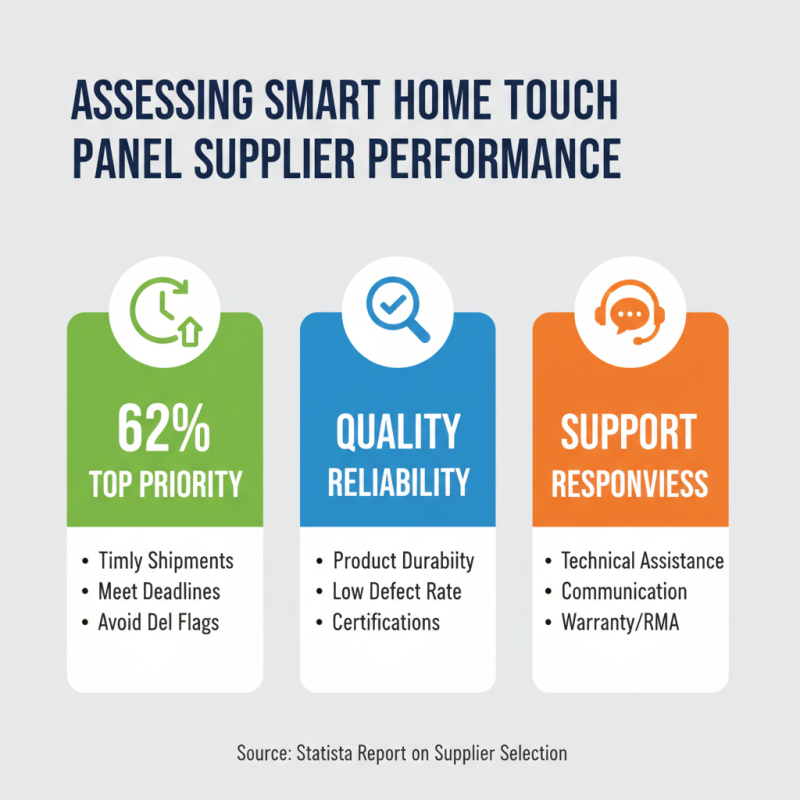
Choosing the right ODM smart home touch panel supplier requires careful assessment of several performance metrics. Three key factors are delivery, quality, and support. According to a recent report from market research firm Statista, 62% of businesses indicate timely delivery as their top priority when selecting suppliers. If your supplier consistently fails to meet deadlines, consider it a red flag.
Quality is equally critical. A survey from Quality Digest reveals that 48% of companies encounter significant issues due to product defects from their suppliers. It's vital to evaluate the quality assurance processes of potential partners. Reviewing their quality certifications and previous performance records can provide insights into their reliability.
Support should not be overlooked. The same report indicates that 55% of suppliers do not provide adequate support after sales. The best suppliers offer ongoing technical assistance and responsive communication. Assess their post-sale support by asking for references or testimonials.
Tip: Create an evaluation matrix to measure these metrics across different suppliers. This can help you make informed decisions based on reliable data.
Remember that even established suppliers can have shortcomings. Regularly reassess their performance to ensure they continue to meet your standards. Building a lasting partnership requires mutual growth and adaptation.
As the demand for smart home technologies rises, the innovation in Smart Home Control Panels is undeniable. In 2026, ODMs must navigate the evolving landscape carefully. Enhanced user interfaces are becoming more intuitive, focusing on seamless integration. Touch panel designs are increasingly adaptive to user preferences. This shift emphasizes customer-centric approaches, which are crucial for capturing market interest.
A notable trend is the increase in touch sensitivity and multi-functionality. Consumers desire touch panels that can control lighting, security, and climate efficiently. Many suppliers are experimenting with haptic feedback. This provides users with tactile responses, enhancing the overall experience. Additionally, the use of AI is on the rise, enabling panels to learn user habits. However, not all innovations are flawless. There’s a challenge in balancing complexity and usability. Ordinary users may feel overwhelmed by advanced functionalities.
Durability and aesthetics also play vital roles in the selection of suppliers. The materials used must withstand daily use while still looking appealing. Suppliers should consider this relationship closely. Aesthetics can influence a consumer's perception of quality and reliability. Some ODMs might overlook the broad spectrum of consumer needs. Focusing too much on tech features without addressing design could hinder market appeal. Embracing customer feedback is critical for long-term success.
| Dimension | Value |
|---|---|
| Market Share (%) | 28% |
| Growth Rate (CAGR) | 15% |
| Average Price (USD) | 150 |
| Key Innovations | Voice Control, AI Integration |
| Top Applications | Home Automation, Security Systems |
| Competitive Factors | Customization, User Experience |
| Customer Feedback Rating | 4.5/5 |
| Lead Time (Weeks) | 8 |
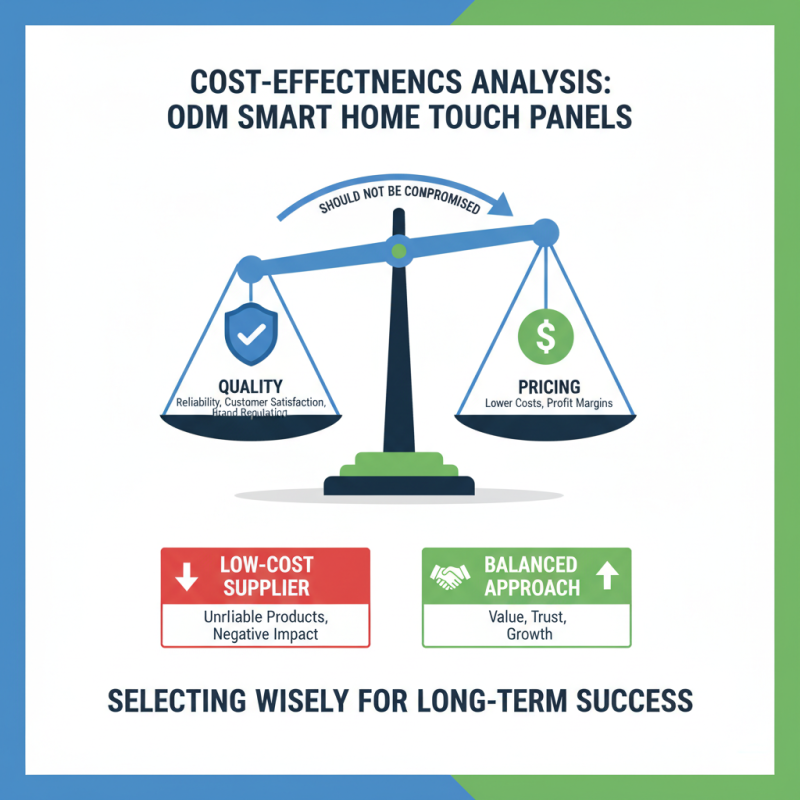
When selecting ODM smart home touch panel suppliers, cost-effectiveness is vital. Quality shouldn't be compromised in the pursuit of lower prices. A low-cost supplier may not deliver reliable products. This can affect customer satisfaction and brand reputation.
It’s important to analyze the materials used and manufacturing processes. Cheap components can lead to frequent malfunctions. A touch panel that fails often loses user trust. This trust takes time to rebuild. Investing a bit more initially can prevent greater losses later.
In evaluating suppliers, consider their track record. Check past projects and customer feedback. Is there evidence of consistent performance? Transparency in pricing is crucial. Hidden costs can turn a seemingly cheap option into an expensive choice. Regularly re-evaluating supplier partnerships is also necessary. Markets and technologies evolve rapidly. A previously reliable supplier might no longer meet quality standards. Balancing quality and cost demands ongoing vigilance and adjustment.
When selecting ODM suppliers for smart home touch panels, understanding industry key players is essential. Leading suppliers have unique strengths that set them apart. Some focus on advanced technology, while others prioritize customer support. Identifying these strengths can influence your decision-making.
In the smart home industry, quality and innovation matter. A few suppliers excel in creating user-friendly interfaces that enhance customer experience. However, reliable supply chains and timely delivery often pose challenges. Not every supplier can consistently meet these demands. Often, there are gaps in communication that lead to misunderstandings.
Furthermore, evaluating a supplier's track record is crucial. Supplier reviews can reveal insights into their actual performance in the Panel Smart Home market. Potential issues may arise from product consistency or after-sales support. By examining these factors, you can make a more informed choice that aligns with your business goals.
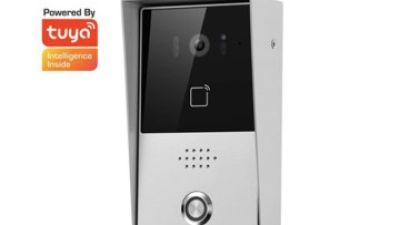
The l5TYF-5INCH IP Video Doorbell is designed to elevate home security while providing convenience for everyday living. With its mobile app and indoor monitor capabilities, homeowners can easily communicate with visitors and unlock doors remotely. This integrated wireless intercom system enhances accessibility and comfort, allowing for seamless interaction from anywhere within the home.
Equipped with a 2MP HD camera and night vision, this doorbell ensures a clear and detailed view of your doorstep. With a generous 140-degree viewing angle and infrared mode, you can confidently monitor your entryway day or night. The option to share access with up to six family members through a free app makes it easy to connect and keep everyone informed about incoming visitors, creating an optimized intercom system that caters to modern household needs.
Installation is straightforward with the wall-mounted surface option, and the unit boasts an IP65 waterproof rating, ensuring it withstands various weather conditions. Whether configured through an indoor monitor or via the web, the l5TYF-5INCH IP Video Doorbell stands out as a practical solution for enhancing home security while maintaining an efficient level of interactivity and convenience.
: Look for ISO 9001, CE marking, RoHS, and WEEE certifications to ensure safety and quality.
Some suppliers may display fake certifications to mislead customers. Verifying ensures trustworthiness.
Check their industry experience and seek client testimonials or case studies for insights.
Focus on delivery, quality, and support during your assessment of potential suppliers.
Timely delivery is crucial; many businesses prioritize this. Delays can indicate potential issues.
Review their quality assurance processes and past performance records to understand the trend.
Ongoing technical assistance and communication are key to a successful partnership.
Increased touch sensitivity, multi-functionality, and AI integration are current trends to watch.
Too many advanced features might overwhelm ordinary users, affecting their experience negatively.
Durable materials enhance usability and aesthetics, influencing perceived quality and reliability.
In 2026, selecting the best ODM Smart Home Touch Panel suppliers requires a thorough understanding of market dynamics and key features that ensure quality assurance. Buyers should evaluate essential characteristics such as touchscreen responsiveness, user interface design, and integration capabilities with other smart home devices. Additionally, recognizing important certifications and industry standards is critical for ensuring compliance and performance reliability of Smart Home Touch Panels.
Supplier performance metrics such as delivery timeliness, product quality, and customer support play a significant role in the selection process. It's also essential to stay informed about the latest market trends and innovations in Smart Home Touch Panel technologies, as these can influence both functionality and consumer appeal. Finally, conducting a cost-effectiveness analysis helps in balancing quality and pricing, ultimately leading to more informed supplier choices in the competitive smart home marketplace.