In today's world, where Home Automation is more than just a trend, picking out the right smart thermostat with app features can feel surprisingly overwhelming. I mean, with so many options out there, it’s easy to get lost. Johnathan Green, an energy expert over at EcoWise Solutions, puts it simply: “The right thermostat not only helps save you some cash but also makes your home more comfortable.” That really drives home how important it is to make an informed decision.
As our homes become smarter, we’re all looking for ways to control heating and cooling more efficiently. A smart thermostat with app capabilities? It’s a game changer — you can tweak your home’s climate from just about anywhere. Features like scheduling, keeping tabs on energy use, and even syncing with other smart gadgets like your smart lighting system make choosing the right one pretty important.
But here’s the deal — not all smart thermostats are created equally. Some apps can be pretty confusing or unintuitive, which just ends up being frustrating. And let’s be honest, what sounds great on paper doesn’t always work smoothly when you actually use it. That’s why it’s so important to check out real user reviews and listen to expert advice. Take your time with this decision — a thermostat that fits your lifestyle can really make your everyday life so much better.
Understanding Smart Thermostats: Essential Features to Consider
Understanding Smart Thermostats: Essential Features to Consider
Smart thermostats offer a range of essential features to improve your home's heating and cooling efficiency. When choosing a model, focus on user-friendly app interfaces. A simple interface makes it easier to adjust settings on the go. Look for apps that provide insights into energy usage and savings. Visual data can help you identify patterns and make adjustments accordingly.
Connectivity options are also vital. Many smart thermostats connect to Wi-Fi for remote access. Ensure compatibility with your home network before purchasing. Check if the thermostat works with voice assistants, enhancing convenience. This can make it easier to manage your home environment seamlessly.
Consider learning capabilities as well. Smart thermostats can adapt to your routine over time. This feature can optimize your energy usage. However, not all models learn effectively. You may need to tweak settings manually at times. Be prepared for some trial and error as you find the right balance for your home.
Importance of App Connectivity in Smart Thermostats
The importance of app connectivity in smart thermostats cannot be overstated. A smart thermostat with app features enables homeowners to control their heating and cooling systems from anywhere. This functionality leads to significant energy savings and increased comfort. Users can adjust settings remotely, ensuring their homes are always at the desired temperature.
Moreover, app connectivity allows for advanced features like scheduling and utility reports. Many modern thermostats provide detailed insights into energy consumption through their apps. This data empowers users to make informed decisions about their energy usage. However, this technology is not universally accessible. Some users may face difficulties with app compatibility, which can lead to frustration.
Understanding the significance of app features requires some reflection. While many thermostats provide outstanding app experiences, others may offer inconsistent functionality. Selecting a thermostat that not only works seamlessly with its app but also meets specific user needs is crucial. Additionally, app security is a vital consideration; ensuring that your data remains safe can enhance your overall experience with Smart Homes. Users should remain cautious and conduct thorough research before making a purchase.
Key App Features to Look for in Smart Thermostats
When selecting a smart thermostat with app features, focus on the functionality that enhances user experience. Look for intuitive interfaces. A study from the American Council for an Energy-Efficient Economy shows that user-friendly apps can boost energy savings by 10-15%. This means ease of use is not just a luxury; it’s essential for optimal performance.
Consider the ability to set schedules and control temperature remotely. Integration with a Smart House Control System can provide seamless operation, allowing you to adjust settings from anywhere. Ensure the app supports geofencing, which uses your smartphone's location to adjust heating or cooling automatically when you’re away or approaching home.
Moreover, check for energy monitoring features. This data helps users understand consumption patterns. Some reports indicate that households using these features can reduce energy bills up to 20%. Reflect on your personal preferences too. Are there features you might not need? Balancing functionalities with simplicity can make your choice more effective. Always consider how a thermostat fits into your lifestyle and energy habits.
User Experience: How App Interface Affects Smart Thermostat Use
When choosing a smart thermostat, the app interface plays a crucial role in user experience. A recent study by the Consumer Technology Association found that 70% of users prioritize app usability over features. An intuitive app makes it easier to adjust settings, monitor energy usage, and schedule temperature changes. The design should be user-friendly, allowing homeowners to control their Smart Home Systems effortlessly.
Moreover, the importance of clear visuals cannot be underestimated. Data from UserTesting shows that 85% of users find visual cues, like graphs or temperature maps, helpful in understanding their energy consumption. A streamlined interface reduces frustration and enables better engagement with energy-saving features. If the app is cluttered or difficult to navigate, users may not utilize the thermostat to its full potential, which can undermine savings and comfort.
Yet, not every smart thermostat app hits the mark. Some users report that features are buried under layers of menus. This complexity can diminish satisfaction and hinder effective management of heating and cooling. Integrating feedback from actual users can drive improvements, making apps more aligned with real-world needs. Ultimately, the goal is to enhance the way users interact with their Smart Home Central Control, ensuring that technology serves to simplify rather than complicate their lives.
Compatibility: Ensuring Your Thermostat Works with Existing Systems
When selecting a smart thermostat, compatibility is crucial. Your new thermostat must work seamlessly with existing heating and cooling systems. A recent survey by the Consumer Technology Association indicates that over 60% of homeowners have HVAC systems over ten years old. This means many thermostats may not be compatible with older models.
Understanding your system’s specifics is vital. Check whether your HVAC operates on conventional or heat pump technology. This knowledge will help you avoid frustration and loss of comfort. It’s also worth noting that the installation of a new thermostat may require additional equipment if compatibility issues arise.
Essentially, ensure the thermostat integrates with your home’s Wi-Fi network. Many thermostats now feature app controls. It’s essential for adjusting temperatures remotely. Monitoring energy usage through apps is a significant advantage. A good example of Smart Home Integration is withAlexa Smart Home Automation, which adds convenience and aids in achieving energy efficiency.
Consider the layout of your home and how many zones it has. A multi-zone system often necessitates multiple thermostats. Pay attention to the communication protocols used by your HVAC devices. This consideration can save you time and money in the long run. It’s a reminder that even with modern technology, some older systems will not adapt without careful planning.
Smart Thermostat Compatibility with Existing Systems
Evaluating Energy Savings and Budget Considerations
When considering energy savings, smart thermostats can be a game changer. According to the U.S. Department of Energy, homeowners can save between 10% to 30% on heating and cooling bills by investing in these devices. This translates to significant savings over time. Proper evaluation of the thermostat's features is crucial. Look for models that provide detailed analytics on energy usage. These insights can help fine-tune the system for maximum efficiency.
Budget considerations also play a vital role. Smart thermostats range from $100 to $300. Factors such as installation costs and potential rebates should be factored in. Some programs offer incentives for installing energy-efficient appliances. Additionally, consider the long-term savings. A good smart thermostat can pay for itself in under two years. It’s an important part of Smart Building Construction strategies aimed at reducing energy wastage.
While these devices offer various features, the user experience varies widely. Some interfaces are simpler and more intuitive than others. User reviews often highlight frustration with connectivity and usability. Look closely at feedback when making a choice. This reflection can lead to informed decisions that align with both your energy goals and budget constraints.
Reading Reviews and Ratings: Making an Informed Decision
When choosing a smart thermostat, reading reviews and ratings is crucial. This information can guide you to make a better choice based on real user experiences. Some users praise specific features, while others highlight flaws. These insights are invaluable for understanding not just the strengths, but also the weaknesses of a product.
Many reviews focus on usability. For instance, how intuitive is the app? Does it provide useful feedback? Look for comments on the user interface, as these can indicate whether a thermostat will be easy to operate. Additionally, pay attention to ratings concerning app connectivity. Frequent complaints about disconnections may suggest unreliable performance.
Consumer opinions can reveal patterns. If several users report that a feature frequently malfunctions, that deserves consideration. Yet, consider the context of each review. One unhappy user may not represent the general experience. Learning to discern between isolated incidents and common problems is essential for making an informed decision.
How to Choose the Best Smart Thermostat with App Features? - Reading Reviews and Ratings: Making an Informed Decision
| Feature | Description | User Rating (Out of 5) | Ease of Use (1-10) | Price ($) |
| Mobile App Control | Allows remote temperature adjustments via smartphone. | 4.7 | 9 | 199 |
| Scheduling | Program heating/cooling based on a set schedule. | 4.5 | 8 | 149 |
| Energy Reports | Detailed insights on energy usage and savings. | 4.6 | 7 | 179 |
| Voice Control | Compatible with Smart Home Systems for voice commands. | 4.8 | 9 | 229 |
| Geofencing | Automatically adjusts settings based on user location. | 4.4 | 8 | 199 |
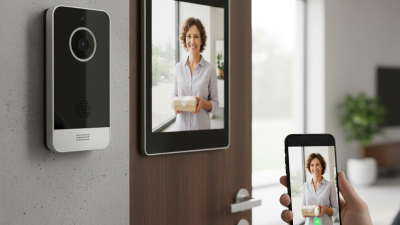
Enhance Home Communication and Security with the H51TYF-C-5INCH 5-Inch HD Touch Smart Video Intercom
In today’s world, home communication and security are paramount. The H51TYF-C-5INCH 5-Inch HD Touch Smart Video Intercom transforms the way we interact within our homes. Featuring a 5-inch IPS full-view screen paired with a capacitive touchscreen, this device is designed for optimal usability. Homeowners can enjoy seamless communication with visitors through a crisp and vibrant display, making each interaction crystal clear.
This innovative intercom system offers flexible calling options, catering to the diverse needs of residential setups. Whether through dual-mode functionality, featuring both list buttons and keypad dialing, users can easily connect with their visitors. Enhanced security is a key feature, with multiple unlocking methods including facial recognition, password access, and card authorization, ensuring that only authorized individuals can gain entry. This multifaceted approach to security provides peace of mind for any household.
Furthermore, the device is equipped with day-night clarity capabilities. With 2MP dual cameras and white/infrared fill light, homeowners can rely on consistent video quality regardless of the time of day. The H51TYF-C-5INCH is also built to withstand outdoor conditions, sporting an IP65 rating for dustproof and waterproof performance, making it exceptionally suitable for Apartment Building Intercom setups. This combination of features enhances not only communication but also the overall security of one’s home.
FAQS
: Focus on intuitive interfaces and scheduling options. These enhance user experience significantly.
User-friendly apps can boost energy savings by 10-15%, making ease of use essential.
Geofencing adjusts heating or cooling based on your smartphone’s location automatically.
It helps identify consumption patterns, potentially reducing bills by up to 20%.
Yes, think about features you might not need. Balance functionality with simplicity.
They provide insights into real experiences, revealing strengths and weaknesses of products.
Many users discuss app intuitiveness and connectivity. Frequent disconnections can indicate reliability problems.
Look for patterns but consider context. One bad review might not reflect the overall experience.
Yes, if the app integrates well with smart home systems, settings can be adjusted remotely.
Consider the issue seriously, but weigh it against the overall feedback received.
Conclusion
When choosing the best smart thermostat with app features, it's crucial to understand the essential characteristics that distinguish them from traditional thermostats. Key features to consider include energy-saving capabilities, temperature control precision, and programmability. App connectivity plays a significant role in enhancing user convenience, allowing remote access and control, which is fundamental for modern smart thermostats.
Additionally, consideration of the app's interface can greatly affect user experience, making it critical to find a thermostat whose app is intuitive and easy to navigate. Compatibility with existing HVAC systems is also paramount to ensure seamless integration. Finally, evaluating energy savings alongside budget considerations and reading user reviews can aid in making a well-informed decision that aligns with your needs and lifestyle. Overall, selecting a smart thermostat with app capabilities can significantly enhance home comfort and energy efficiency.