Leave Your Message
0%

Picking the right central air conditioner panel isn't just about looks—it can really impact how comfortable your space feels, how much energy you're using, how easy it is to maintain, and whether you feel confident in your choice. People around the world have tons of options, from basic mechanical controls to fancy touchscreen panels that you can tweak remotely. Sure, a panel might look super sleek in a showroom, but in a hot, humid hotel hallway or a dusty warehouse, it might not perform so well. The real-world conditions are what matter most.

In this guide, we take a closer look at ten different types of central air conditioner panels used in homes, offices, hotels, and light commercial setups. We’ll talk about how precise the controls are, how clear the displays are, what wiring is needed, communication standards, and how easy it is to access for repairs later on. Some panels support Smart Home Central Control, so you can manage different zones all from a single app or interface. Others just rely on simple buttons or basic relay controls—both have their perks.

Details really do matter here. A display that’s easy to read means a technician can check if the set temperature is 22°C without having to open the panel. Physical buttons can come in handy too, especially if your network goes down. Plus, you’ll want to make sure the panel is compatible with your HVAC gear, voltage, and overall building system. Don’t forget to double-check certifications and any install instructions tailored to your market. It’s tempting to go for the cheapest option, but keep in mind that low-cost panels might save you cash upfront but could end up costing more in training or replacements later. On the flip side, a pricey, high-end panel might have features you're never going to use.

Basically, choosing the right panel is about balancing practical needs with your specific environment—climate, building type, how you operate, and what kind of tech support is available. This guide hopes to help you weigh the pros and cons so you can make a smarter choice rather than just picking the first thing that looks good.
Top 10 Central Air Conditioner Panel Types for Global Buyers

What Central Air Conditioner Panels Are and How They Work

A central air conditioner panel is the system’s decision and protection point. It receives low-voltage signals from a thermostat, sensors, and safety switches. The panel then activates relays or contactors for the compressor, indoor blower, and outdoor fan. A small wiring error can stop cooling or damage equipment.

Common panel types include mechanical thermostat panels, digital programmable panels, communicating control panels, and smart interfaces. A Home Automation Control Panel can connect cooling commands with occupancy sensors, humidity readings, and time schedules.

Service panels also contain breakers, disconnects, fuses, and diagnostic indicators. In a real installation, the cabinet may feel warm, while tiny labels identify terminals such as R, Y, G, and C. Simple details matter.

The U.S. Department of Energy reports that poorly sealed or insulated ducts can waste 20% to 30% of conditioned air. Therefore, a reliable panel must coordinate operation with airflow and temperature feedback. The International Energy Agency’s The Future of Cooling report warns that global space-cooling energy demand could triple by 2050 without stronger efficiency measures. This makes accurate controls increasingly important.

However, panel categories are not perfectly standardized across markets. One supplier may call a touchscreen a control panel, while another reserves that term for the electrical cabinet. Buyers should check voltage, communication protocol, enclosure rating, sensor compatibility, and local electrical requirements before selection. A beautiful interface is not enough. Controls still need careful commissioning and periodic inspection.

How the Top 10 Panel Types Are Classified by Design and Function

Central air conditioner panels are commonly classified by physical design and operating function. The first group includes basic wired thermostats, digital thermostats, touch-screen panels, wireless controllers, and remote-control panels. Wired models suit fixed wall positions and stable communication. Digital displays show temperature clearly. Touch screens offer cleaner interfaces. Wireless panels help during renovations. Remote panels support convenient room-by-room adjustments.

The second group focuses on system control. Zone control panels manage separate areas, while scheduling panels automate temperature changes by time. Smart Panels connect with approved building networks and may support mobile access. Energy-monitoring panels display runtime, temperature trends, and power-related data. ABackground Music Control Panel may appear beside climate controls in hospitality or commercial spaces, but it should remain functionally separate. Mixing unrelated controls can confuse users.

The tenth type is the building-management panel, designed for larger facilities and centralized supervision. It may monitor alarms, operating status, airflow settings, and multiple indoor units. In field installations, panel selection depends on wiring, user skill, indoor humidity, and maintenance access. A low-glare screen matters in hotel corridors. Raised buttons help users wearing gloves. This classification is useful, but not perfect. Some panels fit several categories. A smart zone controller is both networked and area-based. Installers should verify communication protocols and service procedures before replacement. Small compatibility errors can stop a functioning system. That detail is easy to underestimate.

Metal Access Panels for Strength, Safety, and Long-Term Use

For global buyers, central air conditioner panels must do more than hide equipment. Metal access panels protect service points from impact, dust, and accidental contact. Common types include hinged, lift-out, recessed, flanged, insulated, fire-rated, weather-resistant, filter-access, duct-access, and heavy-duty designs. Galvanized steel suits busy plant rooms. Aluminum reduces weight and resists moisture. Stainless steel performs well in corrosive areas. Choose materials from site conditions, not catalogue appearance.

Strength starts with frame depth, hinge quality, fastener design, and panel thickness. A loose latch can create vibration noise. A sharp edge can injure maintenance staff. Rounded edges, concealed hinges, and secure locking systems improve daily safety. Insulated panels can limit heat loss and condensation around cold-air equipment. Fire-rated models need tested assemblies and clear documentation. “Fire-rated” should never be accepted without evidence.

Long service life depends on drainage, coating quality, and accurate installation. Check opening sizes twice. Small errors matter. The panel should open fully without striking pipes, wiring, or filters. Buyers should request corrosion data, load information, replacement-part availability, and installation instructions. Local climate and building requirements may change the best choice. A perfect specification is unlikely. Review the first installation, record weak points, and adjust future orders. That practical feedback often prevents expensive maintenance problems.

Top 10 Central Air Conditioner Panel Types for Global Buyers - Metal Access Panels for Strength, Safety, and Long-Term Use

No. Panel Type Typical HVAC Application Common Metal Construction Access Method Typical Features Suitable Installation Area Common Size Range
1 Removable Screw-Fixed Access Panel
General Purpose
Routine access to air-handling units, duct connections, dampers, valves, and service components. Galvanized steel, commonly 0.8–1.5 mm thick; aluminum is also used where low weight or corrosion resistance is required. Removable cover secured with machine screws, self-tapping screws, or quarter-turn fasteners. Simple construction, good rigidity, low maintenance, and easy replacement of hardware. Mechanical rooms, plant rooms, ceiling voids, and service corridors. Approximately 300 × 300 mm to 900 × 900 mm; custom sizes are common.
2 Hinged Access Door with Latch
Frequent Service
Frequent inspection and servicing of filters, coils, fans, belts, electrical controls, and condensate components. Powder-coated or galvanized steel, typically 0.9–1.5 mm thick, with reinforced edges. Side-, top-, or bottom-hinged door with a compression latch or quarter-turn lock. Fast opening, secure closure, reusable gasket, and improved operator convenience. Air-handling units, fan-coil units, rooftop equipment, and large ductwork. Approximately 300 × 450 mm to 900 × 1,200 mm.
3 Insulated HVAC Access Panel
Energy Efficiency
Access points on conditioned-air ducts and air-handling casings where heat transfer and condensation must be limited. Double-skin galvanized steel or aluminum with mineral wool, elastomeric foam, or closed-cell insulation. Hinged or removable cover with compression latches and a continuous perimeter gasket. Improved thermal resistance, reduced surface condensation risk, and lower air leakage when properly sealed. Indoor duct systems, chilled-air systems, humid environments, and conditioned ceiling spaces. Approximately 300 × 300 mm to 600 × 900 mm; insulation thickness commonly 20–50 mm.
4 Filter Access Door
Maintenance Access
Replacement and inspection of panel filters, bag filters, or compact filter assemblies in central air systems. Galvanized steel or stainless steel, often with formed frames for improved stiffness. Hinged door or lift-off cover with a latch and filter-retaining frame. Designed for repeated opening, smooth internal surfaces, gasketed edges, and clear filter clearance. Air-handling units, return-air plenums, rooftop units, and ventilation cabinets. Commonly 400 × 500 mm to 1,200 × 1,200 mm, depending on filter bank size.
5 Louvered Equipment Access Panel
Ventilation
Equipment enclosures requiring service access while allowing passive airflow for motors, controls, or heat-producing components. Galvanized steel or aluminum with pressed or roll-formed louvers. Removable, hinged, or screw-fixed panel with an integrated louver section. Airflow assistance, rain-resistant louver geometry when correctly specified, and corrosion-resistant finishes. Outdoor condensing-unit enclosures, plant rooms, generator-related HVAC spaces, and equipment cabinets. Approximately 300 × 300 mm to 1,000 × 1,500 mm; free-area performance depends on louver design.
6 Security Access Panel
Restricted Areas
Service access in public buildings, commercial facilities, schools, hospitals, and other areas requiring controlled entry. Heavy-gauge galvanized steel or stainless steel with reinforced door leaves and frames. Concealed hinges, security screws, key-operated lock, or tamper-resistant quarter-turn fasteners. Reduced unauthorized access, concealed hardware, reinforced construction, and optional lockable operation. Public corridors, occupied rooms, retail facilities, offices, and secure mechanical zones. Approximately 300 × 300 mm to 900 × 900 mm; larger doors may require additional reinforcement.
7 Fire-Rated Access Panel
Passive Fire Protection
Access to HVAC services located in fire-resistance-rated walls, ceilings, shafts, or enclosures. Fire-resistant steel construction with mineral-fiber or other tested fire-resistant core materials. Hinged door with a self-closing mechanism, latch, and fire-rated perimeter sealing system. Maintains the tested fire-resistance performance only when installed as part of a compliant, tested assembly. Fire-rated walls, ceilings, service risers, smoke-control areas, and protected escape routes. Commonly 300 × 300 mm to 900 × 900 mm; rating and maximum size must match the tested product assembly.
8 Exterior Weather-Resistant Access Panel
Outdoor Use
Outdoor access to packaged air conditioners, rooftop units, condenser service zones, and exterior duct enclosures. Aluminum, galvanized steel, or stainless steel with protective coating and formed drip edges. Hinged or removable panel with compression latches and weather-resistant gaskets. Protection against wind-driven rain, UV exposure, dust, and moderate environmental corrosion when correctly specified. Roofs, external plant platforms, coastal installations, and exposed service enclosures. Approximately 400 × 400 mm to 1,000 × 1,200 mm; final selection depends on exposure and equipment clearance.
9 Ceiling Access Panel for HVAC Services
Architectural Integration
Concealed access to fan-coil units, VAV boxes, dampers, valves, and duct-mounted controls above suspended or fixed ceilings. Powder-coated galvanized steel or aluminum with a recessed or flush frame. Lift-out, hinged, or demountable door with concealed or low-profile hardware. Clean appearance, concealed framing, stable fit, and optional gasketed construction for reduced air leakage. Office buildings, hotels, hospitals, retail interiors, and residential common areas. Approximately 300 × 300 mm to 900 × 1,200 mm; ceiling grid coordination is important.
10 Wall-Mounted Service Access Door
Large Components
Access to large air-handling sections, duct-mounted equipment, fan assemblies, dampers, and control panels installed behind walls. Reinforced galvanized steel or stainless steel, generally 1.0–2.0 mm thick for larger doors. Single- or double-leaf hinged door with adjustable hinges, compression latches, and perimeter seals. Large clear opening, high structural rigidity, improved service access, and optional removable center mullion. Mechanical rooms, service shafts, commercial kitchens, industrial facilities, and plant enclosures. Approximately 600 × 600 mm to 1,500 × 2,000 mm; oversized openings may need structural support.

Insulated and Acoustic Panels for Energy and Noise Control

Central air conditioner panels influence more than appearance. They shape thermal loss, airflow stability, maintenance access, and perceived noise. For global buyers, common options include single-skin steel, double-skin insulated, aluminum, stainless steel, sandwich, fire-rated, weatherproof, perforated acoustic, cleanroom, and removable panels. Double-skin panels with mineral wool or closed-cell insulation usually offer stronger thermal and acoustic control than thin metal sheets.

The International Energy Agency’s Buildings 2023 report states that buildings consume about 30% of global final energy. Poorly insulated air-handling enclosures can increase cooling demand, especially in hot climates. In site inspections, I often find gaps around hinges, cable entries, and access doors. Small gaps matter. Continuous gaskets and correctly compressed seals can prevent cold-air leakage and reduce rattling. Mineral wool helps absorb fan and compressor noise, while perforated inner skins need careful protection against moisture and fiber release.

The World Health Organization recommends keeping bedroom noise below 30 dB(A) at night for good sleep quality. That target is demanding near mechanical rooms. Acoustic panels should therefore be selected with tested sound absorption data, not marketing descriptions alone. An Android Smart Home Control Panel can display temperature, fan status, and filter pressure, but sensors cannot repair a badly sealed enclosure. I would also question every catalog value: laboratory ratings may change after installation, aging, or incorrect panel alignment. Door weight, corrosion resistance, local fire requirements, and replacement access deserve equal attention.

Decorative, Removable, and Service-Friendly Panel Solutions

Top 10 Central Air Conditioner Panel Types for Global Buyers

Decorative, removable, and service-friendly panels can change how an air conditioning system performs and ages. Common options include stamped steel grilles, aluminum louvered panels, perforated panels, slatted screens, flush panels, hinged doors, magnetic panels, quick-release panels, insulated sandwich panels, and lockable access doors. Each design balances airflow, appearance, durability, and maintenance access.

In commercial projects, perforated and louvered panels help protect internal components while supporting steady ventilation. Aluminum resists corrosion in humid regions, while coated steel often provides stronger impact resistance. Flush panels suit modern interiors, but their hidden fasteners must be installed accurately. A small alignment error can create vibration, noise, or an uneven gap.

Removable panels save technicians valuable time during filter replacement and electrical inspections. Hinged or quick-release designs are especially practical where service visits are frequent. Magnetic panels work well for light-duty indoor access, though they may not suit areas exposed to strong vibration. Insulated panels can reduce heat transfer and sound, but they require careful sealing around the frame.

I have seen attractive panels fail because their hinges were too weak for repeated use. Appearance matters, but service access matters more.

No panel is perfect. Buyers should check material thickness, airflow resistance, fastener quality, corrosion protection, and local installation requirements before approval.

How Climate, Building Codes, and Standards Affect Global Selection

Climate changes the right central air conditioner panel. In humid coastal cities, corrosion-resistant, sealed panels protect contacts from salt and condensation. Hot regions need clear displays, strong ventilation, and temperature ratings above ordinary indoor conditions. Cold climates may require panels supporting heat-pump defrost cycles and low-temperature operation. Dusty areas benefit from enclosed designs with simple, washable surfaces.

The main choices include mechanical control panels, digital thermostat panels, touchscreen interfaces, wired zone panels, wireless zone panels, building-management panels, heat-pump panels, rooftop-unit panels, outdoor-rated panels, and Zigbee Smart Panel systems. Each type serves a different building and control strategy.

A compact apartment may need basic scheduling and reliable wiring. A hospital or office tower may need alarms, remote monitoring, and independent zone control. More features can also create more failure points.

Building codes and regional standards often decide the final selection. Buyers should check electrical ratings, fire requirements, accessibility rules, electromagnetic compatibility, and energy-control provisions. IEC-based requirements may apply in one market, while local certification rules control another. The panel must also match the air conditioner, voltage, communication protocol, and installer practice. A certified panel is not automatically suitable everywhere. That assumption causes expensive delays. Climate data, drawings, and service conditions should be reviewed before purchase. My view is practical: global comparison tables help, but local verification still matters.

A Buyer’s Checklist for Comparing Central Air Conditioner Panels

Top 10 Central Air Conditioner Panel Types for Global Buyers

A Buyer’s Checklist for Comparing Central Air Conditioner Panels

Central air conditioner panels include galvanized steel, stainless steel, aluminum, insulated sandwich, and composite designs. Each suits a different climate and maintenance plan. In coastal projects, stainless steel or protected aluminum usually resists salt better than untreated steel. In dry interiors, galvanized steel may deliver adequate value. Field experience shows that cheap panels often fail at joints, not across flat surfaces. Check gasket compression, corner seals, and drain-pan interfaces.

Performance matters more than appearance. The International Energy Agency reports that cooling uses about 10% of global electricity. The Future of Cooling also projects cooling demand could more than triple by 2050. Better insulation and fewer thermal bridges can reduce equipment workload. Ask for thermal transmittance, leakage, and mechanical-strength results under EN 1886. Verify the insulation’s fire classification and moisture resistance. Do not accept “high efficiency” without test conditions.

Looks deceive. Specify panel thickness, core density, corrosion class, and service-door access. IEC 60529 ingress ratings help compare protection against dust and water, but they do not replace installation design. UNEP’s 2023 Global Status Report notes that buildings consume roughly 30% of global final energy. That makes lifecycle checks worthwhile: replacement panels, cleaning time, fasteners, and local repair skills. I would also request salt-spray evidence for coastal sites. It is an imperfect test, yet better than relying on a brochure. Confirm the actual climate, pressure, and maintenance schedule before selecting a panel type.

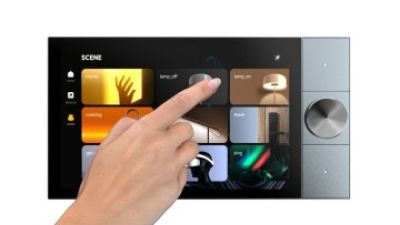
S10 Smart Home Central Control Panel: Triple-Mode Interaction for Smarter, Simpler Living

The S10 Smart Home Central Control Panel brings triple-mode interaction into everyday life through a practical combination of a rotary knob, physical buttons, and a responsive touch screen. Users can adjust lighting, temperature, music, and preset scenes with flexible controls or one-key commands. Its 10-inch IPS display, with a 1280 × 800 resolution, organizes devices, applications, and smart-home scenes on a clear central interface, making essential functions easy to find and operate.

An ambient light sensor automatically adjusts screen brightness for comfortable viewing throughout the day, while the AIS Life album function adds a more welcoming visual experience to the home. Available in smart central control, background music, and KNX versions, the panel supports wireless and LAN-based Building Intercom control for different installation needs. The S10 model provides RS485, dual relay outputs, and L/N power interfaces, while the S10-M adds AUX, SPK1, and SPK2 audio connections. For more advanced integration, the S10-KNX includes KNX, AUX, relay, Type-C, SD card, and Ethernet interfaces, offering adaptable connectivity for modern residential environments.

FAQS

: What does a central air conditioner panel do?

: It receives low-voltage signals from thermostats, sensors, and safety switches. The panel activates the compressor, indoor blower, and outdoor fan. Small details matter.

Which electrical labels may appear inside a service panel?

Common terminal labels include R, Y, G, and C. The cabinet may feel warm during operation. Never assume unfamiliar wiring is safe. Follow local electrical requirements.

What types of control panels are commonly available?

Common types include wired thermostats, digital panels, touch screens, wireless controllers, and remote panels. Zone, scheduling, smart, energy-monitoring, and building-management panels are also available. Some categories overlap.

How should buyers choose a compatible control panel?

Check voltage, communication protocol, enclosure rating, sensor compatibility, and service access. Confirm whether the panel supports the existing indoor and outdoor units. A beautiful screen is not enough.

Why are airflow and duct conditions important?

Poorly sealed or insulated ducts can waste 20% to 30% of conditioned air. The panel should coordinate temperature feedback with airflow performance. Controls cannot fix every duct problem.

What panel design helps with maintenance?

Hinged, magnetic, removable, and quick-release panels provide easier access. Technicians can inspect wiring or replace filters more quickly. Service access matters more.

Which materials suit humid or demanding environments?

Aluminum resists corrosion in humid regions. Coated steel usually offers stronger impact resistance. Choose based on moisture, vibration, cleaning needs, and local conditions.

Can decorative panels create operating problems?

Yes. Poor alignment can cause vibration, noise, or uneven gaps. Weak hinges may fail after repeated service visits. Appearance is not enough.

What should be checked before installing an access panel?

Check material thickness, airflow resistance, fastener quality, sealing, and corrosion protection. Confirm that the panel opens safely and leaves enough room for maintenance. No panel is perfect.

Conclusion

This guide explains what a central air conditioner panel is, how it supports equipment access, protection, ventilation, and maintenance, and how the top 10 panel types are classified by design and function. It compares durable metal access panels for strength and long-term service, as well as insulated and acoustic options that help improve energy efficiency, temperature control, and noise reduction. The guide also covers decorative, removable, and service-friendly solutions for different architectural and maintenance requirements.

For global buyers, panel selection should reflect local climate, installation conditions, building codes, safety expectations, and relevant technical standards. Factors such as corrosion resistance, fire performance, insulation value, sound control, dimensions, locking methods, ease of removal, and cleaning requirements can significantly affect product suitability. A practical buyer’s checklist helps compare materials, construction quality, access convenience, lifecycle durability, compatibility, and total cost, supporting a safe and informed purchasing decision for residential, commercial, and industrial applications.

Blog Tags:

    Jackson

    Jackson

    Jackson is a seasoned marketing professional at Shenzhen X-focus Co., Ltd. (AISpeaker), where he brings a wealth of expertise in Smart Home technologies. With a profound understanding of the company’s core offerings—which include advanced smart central control panels, background music systems, and......
    Previous 10 Intelligent Thermostat Buying Tips for Global Buyers