In today's fast-changing world of customer communication, 'Building Intercom' has really become a key focus for businesses trying to stay ahead. I mean, as the well-known pro David Zimmer, who co-founded ChatConnect, puts it—he once said, “Effective communication is the backbone of any thriving business.” And honestly, that hits home more than ever now, especially with everything happening digitally. Smooth interaction really does make a difference in how customers feel and connect.
If you’re looking to get Building Intercom right, understanding who your audience really is is super important. Businesses need to figure out what their customers actually want and need, so they can engage in a way that truly resonates. Personalized communication can help build those really meaningful connections. But let’s be real — it’s not a one-and-done thing. It takes ongoing effort, tweaking, and sometimes a bit of trial and error. Sometimes companies misjudge their audience, and that can lead to messaging that just doesn’t hit the mark.
Another tricky part is finding that middle ground between automation and real human interaction. It’s tempting to lean heavily on technology, but too much automation can make your customers feel like they’re talking to a robot — literally. So, it’s all about striking that balance: using automation to make things easier, but still keeping it real with genuine conversations. And hey, a good intercom setup isn’t just about fancy tech; it’s really about building relationships and earning your customers’ trust. Just something to keep in mind.
Hope that helps shed some light on how you can approach building better intercom systems and, more importantly, better relationships!

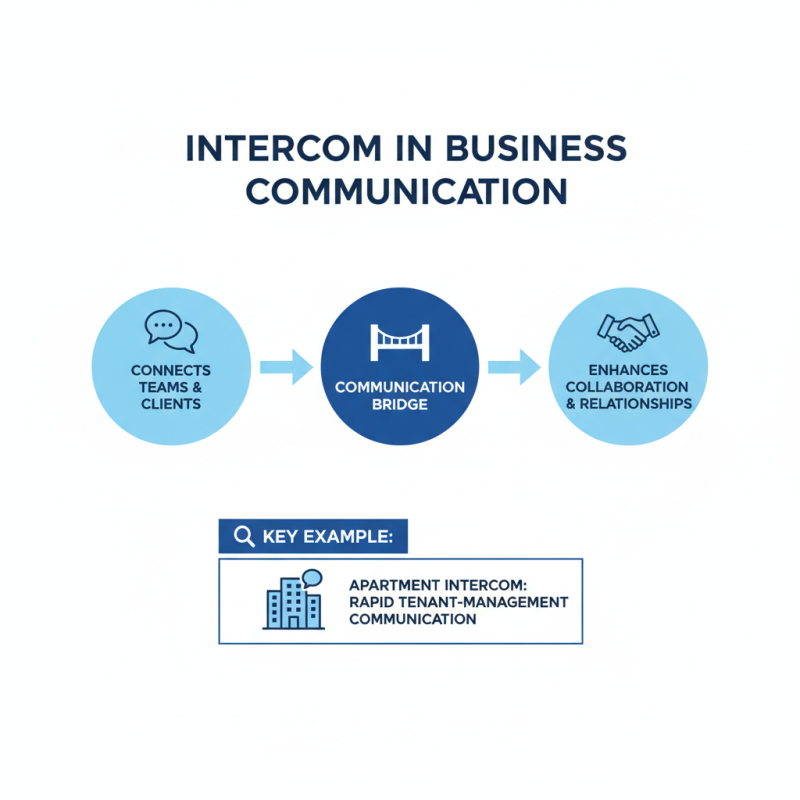
Understanding the concept of intercom in business communication is essential for success. An intercom system serves as a bridge to connect teams and clients. Effective communication enhances collaboration and strengthens relationships. The Apartment Building Intercom system exemplifies how this technology works. It enables rapid communication between tenants and management.
Investing in an intercom can significantly improve your business. It streamlines communication channels and reduces misunderstandings. Consider using video intercoms for real-time engagement. They provide a personal touch, allowing for face-to-face conversations, even from a distance.
Tip: Regular training on intercom usage can minimize confusion. Not everyone is tech-savvy, and it may create setbacks. Provide clear guidelines and encourage feedback to enhance user experience. This will foster a culture of openness and accountability. It's okay to acknowledge ongoing challenges with technology. Embracing these imperfections can lead to more effective solutions in the long run.
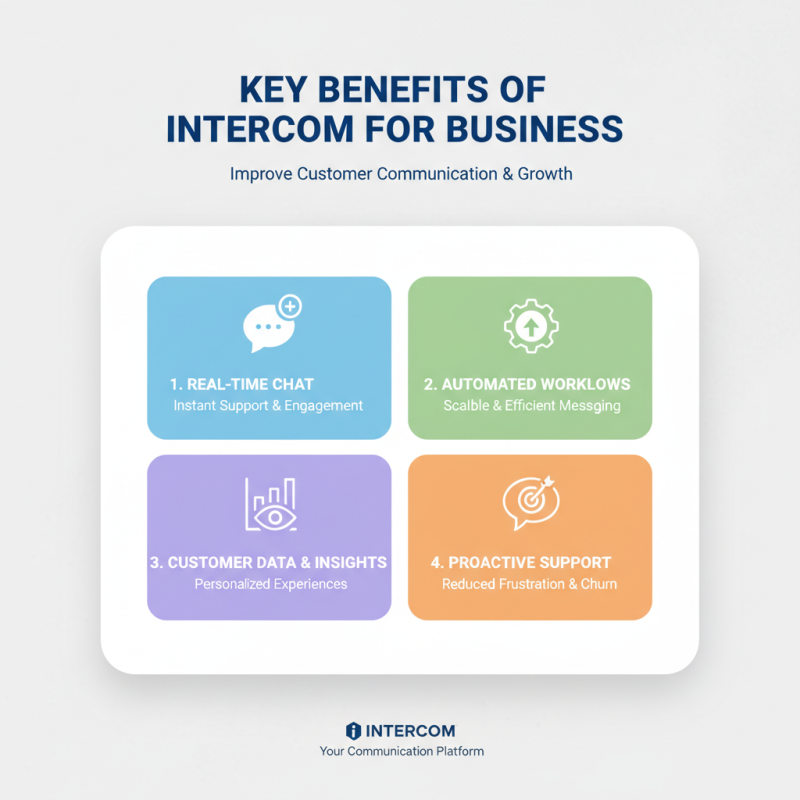
Intercom can significantly improve customer communication. Here are key benefits to consider for your business.
One major advantage is enhanced customer engagement. Intercom allows for real-time chat, giving customers immediate responses. This boosts their satisfaction. When clients feel heard, they often develop a deeper loyalty to the brand. However, it requires constant monitoring. A delay in responses can lead to frustration.
Another benefit is streamlined customer support. With automated replies and self-service options, businesses can handle inquiries faster. It's essential to balance automation with human touch. Too much automation may leave customers feeling neglected. Personalizing interactions can mitigate this risk.
Tips for implementing Intercom in your business include setting clear goals and measuring engagement metrics. Regularly review customer feedback to improve services. Keep communication simple and concise. Don’t shy away from making mistakes; learn from them to enhance your approach.
Choosing the right intercom system can significantly impact your business's communication flow. According to a recent industry report, 70% of businesses find that effective communication boosts productivity. An intercom system that fits your needs can streamline interactions, making daily operations more efficient.
When considering options, think about functionality. Some teams prefer audio-only systems, while others benefit from video capabilities. Up to 60% of companies report increased engagement with video intercoms. If your staff often works remotely, a system supporting mobile access is vital. Nevertheless, a balance between advanced features and usability is crucial. Complicated systems can hinder rather than help.
Budget constraints also play a role in selecting an intercom setup. A study found that 40% of small businesses struggle to justify the cost of robust intercom systems. This emphasizes the need for careful evaluation. Prioritizing features that align with your existing workflow is essential. Reflecting on the specific requirements of your team can lead to a more tailored approach in Building Intercom System for your business. Without such reflection, you might end up with unnecessary complexities that don’t add real value.
Integrating Intercom with existing business tools can significantly enhance customer engagement. Studies show that businesses using multiple communication channels see a 24% increase in customer satisfaction. Effective integration allows for seamless communication across platforms. This boosts response times and improves user experience.
Many businesses overlook the importance of setting clear integration goals. It’s crucial to identify which tools your team uses daily. For instance, integrating with CRM systems can streamline workflows. Research indicates that organizations can save up to 30 hours a month by automating repetitive tasks through such connections. This means your team can focus more on meaningful interactions.
However, not all integrations will work perfectly. Firms often face technical challenges during setup. Inaccurate data transfers can lead to misinformation. Regular testing and feedback loops are essential to refine these integrations. This process, while initially cumbersome, leads to smoother operations and a better understanding of customer needs over time.
Configuring intercom features can significantly enhance customer engagement for your business. By focusing on specific tools, you can create tailored experiences. Start with targeted messaging. Analyze customer behavior to determine their needs. Use this data to send proactive messages. These can guide users through your platform, answer questions, or highlight key features.
Another important aspect of Building Intercom is using automation wisely. Set up chatbots for instant responses. They can handle common queries, ensuring customers feel supported. This reduces wait times and increases satisfaction. However, don't rely solely on automation. Monitor interactions to identify where human intervention is needed. You might discover areas for improvement, such as timing of messages or tone of communication.
Consider integrating feedback loops in your intercom system. Solicit customer opinions after interactions. This can provide insight into their experiences and expectations. Customer feedback can often reveal flaws in your engagement strategy. Regularly evaluate and adjust your approach. Engagement is not a one-time task; it evolves with your audience.
Training your team to use Intercom effectively is crucial for maximizing its benefits. Start by providing hands-on training sessions. These sessions should include real-life scenarios your team might face. Interactive exercises can help employees understand the system better. Consider using role-playing to make the training engaging. This method can reveal common mistakes and misconceptions.
Additionally, create a resource hub with guides and tutorials. This can serve as a reference point for your team. Encourage regular check-ins to discuss challenges. Meetings promote team collaboration and problem-solving. Continuous education is key. Use feedback from your team to refine training methods and materials. Acknowledge that everyone learns differently, and adjust your approach accordingly.
Finally, share success stories within the team. Highlight how effective communication leads to better customer satisfaction. These stories can motivate team members to improve their skills. Reflect on your training process regularly to identify areas for improvement. Emphasizing a culture of learning will empower your team to use Intercom to its full potential.
| Training Topic | Target Audience | Duration | Format | Objectives |
|---|---|---|---|---|
| Introduction to Intercom | All Team Members | 2 hours | Workshop | Understanding basic features |
| Using Intercom for Customer Support | Support Team | 3 hours | Training Session | Responding to queries efficiently |
| Intercom Analytics | Management Team | 1.5 hours | Webinar | Analyzing usage data and performance |
| Integrating Intercom with Other Tools | Technical Team | 2 hours | Hands-On Session | Connecting Intercom APIs effectively |
| Personalizing Customer Interactions | Sales Team | 2 hours | Workshop | Improving customer engagement strategies |
Measuring the success of your intercom system hinges on key performance metrics. These metrics offer vital insights into user engagement and operational efficiency. For instance, a recent industry report highlights that companies using intercom systems often see a 25% increase in customer satisfaction ratings. This underscores the importance of monitoring response times and customer feedback.
Analyzing data such as average response time gives clearer visibility into user interactions. If your average response time exceeds three minutes, it may signal potential issues. Many intercom users report that timely responses bolster user trust. In a world driven by Home & Building Automation, quick and effective communication can significantly enhance client relationships.
Another critical metric is user engagement. Studies indicate that businesses refining intercom strategies have improved engagement rates by up to 40%. However, it is important to reflect on where improvements are needed. Focusing solely on quantitative data without understanding user intentions could lead to oversights in design or functionality. Regular assessments are essential to ensure the system evolves alongside user expectations.
In the rapidly evolving landscape of smart home security, innovations such as the l5TYF-5INCH IP Video Doorbell are setting new standards for safety and convenience. With the increasing adoption of Smart Home Devices, it is projected that the smart home market will reach approximately $174 billion by 2025, according to market research. Among the key features driving this growth is the integration of mobile app capabilities, which allow users to communicate via their indoor monitors and remotely unlock doors. This kind of intercom system provides unparalleled convenience, ensuring homeowners can manage their security from virtually anywhere.
The l5TYF-5INCH IP Video Doorbell boasts a high-definition 2MP camera with night vision capabilities, which covers a broad 140-degree viewing angle. This functionality not only meets but exceeds common standards for home video intercom systems. The addition of infrared mode enhances visibility in low-light conditions, reinforcing security at any hour of the day. Furthermore, a free app allows for sharing access with up to six family members, amplifying the accessibility and functionality of the intercom system within the home.
Durability is also a significant consideration in the design of smart security devices. The l5TYF-5INCH is rated IP65 waterproof, making it suitable for various weather conditions while ensuring consistent performance. Its wall-mounted surface installation is straightforward, further catering to the growing demand for user-friendly security solutions. As trends indicate an increasing focus on personal safety and convenience, products like the l5TYF-5INCH enhance the overall security landscape by blending advanced technology with practical home solutions.
: Intercom improves customer engagement with real-time chat, providing immediate responses that boost satisfaction.
It offers automated replies and self-service options, enabling faster handling of inquiries.
Too much automation can make customers feel neglected and reduce personal interaction.
Set clear goals, measure engagement metrics, and regularly review customer feedback for improvements.
Real-life scenarios and role-playing in sessions can enhance understanding and engagement among team members.
Continuous learning helps refine skills, adapt to challenges, and improve customer interactions over time.
Success stories demonstrate effective communication's impact, motivating team members to enhance their skills.
A hub with guides and tutorials can serve as a valuable reference point for ongoing support.
Regular check-ins allow discussion of challenges, fostering teamwork and problem-solving.
Using team feedback helps refine training materials and methods, catering to different learning styles.
Building Intercom for your business success involves a strategic approach to enhance communication and customer engagement. To start, it's essential to understand the concept of Intercom and its role in business communication, as well as the various benefits it can offer, such as improved customer support and streamlined communication channels. Selecting the right intercom system tailored to your business needs is crucial.
Furthermore, integrating Intercom with existing business tools can optimize workflow, while configuring specific features allows for better customer interactions. Training your team to effectively utilize these tools ensures that everyone is on board and can leverage the intercom system to its full potential. Finally, measuring success through performance metrics will help analyze effectiveness and inform any necessary adjustments, solidifying Building Intercom as a key component in achieving business success.