Leave Your Message
0%

Choosing the right Tuya Control Panel manufacturer in China is a bit more complicated than just looking at factory prices. I mean, sure, a panel might look super impressive in photos, but then you get it installed, and it just doesn’t perform the same. Firmware updates can be a pain, or it might not hold up well under everyday use. So, it’s smart to check things like how bright the display is, how accurate the touch feels, what kind of materials are used in the enclosure, whether the Wi-Fi is reliable, and if it plays nicely with Tuya’s Smart ecosystem. And honestly, experience in manufacturing really makes a difference.

Jerry Wang, who co-founded and leads Tuya Smart as CEO, often reminds us that “smart technology should make life simpler.” That’s actually a pretty good yardstick for the market. A dependable Tuya Control Panel should make it easy to manage lighting, curtains, climate controls, and security devices—without digging through confusing menus. So, clear icons and quick responses are definitely worth paying attention to.

Most top Chinese manufacturers offer OEM and ODM services, sample development, private branding, and even software integration. But, let’s be real—quality can vary quite a bit. Some suppliers might wow you with a sleek prototype but then drop the ball when it comes to after-sales support. Others might really know their hardware but struggle with creating a user-friendly interface. That’s when you notice the difference—especially if your project needs custom scenes, multilingual menus, or rock-solid firmware updates.

This guide compares manufacturers based on real-world criteria like production capacity, certification support, communication with engineering teams, minimum order quantities, and how consistently they deliver. It also looks at how they handle testing, packaging, and replacements if something goes wrong. No factory is perfect; even seasoned buyers can overlook tiny details like connector placements or screen glare in bright settings. That’s why, sampling carefully before committing is still a must.

Remember, the biggest manufacturer isn’t always the best choice. Eventually, it’s about finding a partner that truly understands your needs, clearly documents what they promise, and actually responds when you need some tweaks—especially when your first version isn’t quite right. That’s where real expertise really shines.
Best Tuya Control Panel Manufacturers in China?

What Is a Tuya Control Panel and How Does It Work?

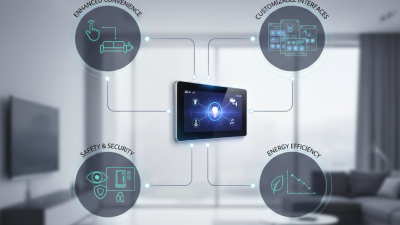
A Tuya Control Panel is a wall-mounted smart home interface that manages lighting, curtains, sensors, thermostats, and other connected devices. It usually combines a touchscreen, wireless communication modules, and a control application. The panel receives a tap, processes the command, and sends instructions through Wi-Fi, Ethernet, or aTuya Zigbee Gateway. Some models also support Bluetooth for nearby device setup.

Zigbee devices use little power and can form a reliable mesh network inside a home. A gateway translates their signals into network commands. For example, tapping “Movie” may dim lights, close curtains, and adjust the thermostat within seconds. During installation, technicians should check signal strength near concrete walls and metal cabinets. Small details matter. Poor placement causes delays.

In product testing, I would examine touch response, reboot recovery, pairing time, and offline behavior. A dependable manufacturer should provide wiring diagrams, firmware records, sample testing data, and clear maintenance instructions. It should also explain which functions depend on cloud access. That point is often overlooked. If the internet fails, basic local controls should remain available whenever the design supports them. Still, not every panel performs equally well. Some screens look impressive but respond slowly after repeated use. Careful testing is necessary before selecting a Chinese manufacturer for a residential or commercial project.

Why Choose Chinese Tuya Control Panel Manufacturers?

Chinese control-panel manufacturers offer strong advantages for buyers serving the Tuya smart-home ecosystem. According to IDC’s Worldwide Smart Home Device Tracker, global smart-home device shipments reached about 850 million units in 2023. IDC expects shipments to exceed 1.1 billion by 2028. This growth demands flexible production and dependable supply chains. Chinese factories commonly integrate touchscreens, relays, sensors, and wireless modules in one facility. That reduces coordination delays and simplifies customization.

Practical sourcing still matters. A reliable factory should provide sample testing, firmware documentation, and traceable quality records. Buyers can check screen brightness, touch response, standby power, and network recovery. Small details matter.

Statista Market Insights valued global smart-home revenue at roughly 154 billion dollars in 2024. Chinese manufacturers can support this market with competitive tooling, faster prototype cycles, and mature component networks. Production teams often adjust mounting holes, language layouts, and enclosure materials quickly. However, lower pricing is not proof of quality. Some suppliers still use generic firmware or inconsistent inspection methods. That weakness deserves direct questioning. Factory audits, pilot orders, and documented performance tests remain essential before long-term purchasing.

Key Types of Tuya Control Panels Available in China

Key Types of Tuya Control Panels Available in China

China’s smart-home market is moving beyond simple app control. Statista estimated China’s smart-home revenue above US$40 billion in 2024. IDC also reported more than 250 million smart-home device shipments in China during 2023. These figures support demand for wall-mounted control panels, especially in apartments, villas, and hotel projects.

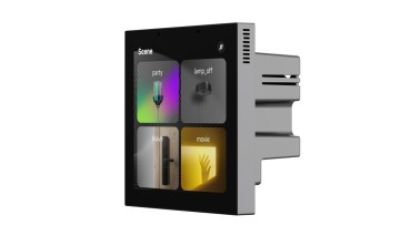
The most common type is the touchscreen scene panel. It controls lighting, curtains, air conditioning, and security from one wall position. A compact four-inch panel suits bedrooms and corridors. Larger panels work better in living rooms, where users need clearer icons and room status. Gateway panels add wireless coordination for Wi-Fi, Zigbee, or other supported devices. They can reduce scattered hubs, but installation quality still matters.

Another important type is the video intercom and entrance panel. It combines door calling, camera viewing, unlocking, and indoor automation scenes. Energy-monitoring panels are also gaining attention in high-end developments. They display power use, temperature, and equipment status in real time. For Tuya-compatible projects, buyers should check local network stability, offline functions, screen response, and protocol support. A beautiful interface is not enough. I have seen panels with excellent specifications feel slow after poor router placement. That weakness is easy to overlook. Manufacturers should test a panel beside the actual switch box, not only in a showroom. Critical scenes should retain basic local control when cloud access becomes unavailable.

Best Tuya Control Panel Manufacturers in China? - Key Types of Tuya Control Panels Available in China
Control Panel Type Common Screen or Module Size Primary Connectivity Power Supply Typical Installation Main Functions Typical Applications Key Selection Considerations
Smart Scene Switch Panel 1–4 physical or capacitive buttons; wall plates commonly follow regional electrical box dimensions Wi-Fi, Bluetooth, or wired connection; some versions use a separate gateway for Zigbee devices AC mains; neutral-wire and no-neutral-wire versions are available Flush-mounted wall installation Lighting control, scene activation, timer settings, remote switching, and automation triggers Bedrooms, living rooms, offices, hotels, and apartments Check neutral-wire requirements, load type, maximum rated load, wiring standard, and electrical-box compatibility
Touchscreen Central Control Panel Commonly 4–10 inch touchscreen displays; resolution varies by model Wi-Fi and Bluetooth; selected models add Zigbee, Ethernet, or other local protocols Low-voltage DC power, usually supplied through a recessed wall power adapter Wall-mounted or flush-mounted Centralized device control, room grouping, scenes, schedules, status display, and automation management Residential Smart Homes, serviced apartments, offices, and hospitality rooms Evaluate screen size, viewing angle, processor performance, local control capability, microphone or speaker options, and mounting depth
Zigbee Gateway with Control Interface Gateway-only units may have no screen; display versions commonly use compact touch panels Zigbee for sub-devices with Wi-Fi or Ethernet for network access USB, low-voltage DC, or AC-to-DC wall power supply Desktop, cabinet, or wall installation Device pairing, protocol bridging, automation execution, and connection of low-power sensors and switches Homes and commercial spaces using multiple Zigbee sensors, switches, and actuators Confirm supported Zigbee device categories, maximum connected-device capacity, local automation support, and network-backhaul options
Wi-Fi Smart Control Panel Typically 4–8 inch touchscreens or compact wall control modules 2.4 GHz Wi-Fi is common; some products also support 5 GHz Wi-Fi Low-voltage DC power or PoE on selected commercial models Wall-mounted or desktop-mounted Cloud-connected device control, scenes, schedules, dashboard views, and voice-assistant integration Small homes, rental properties, offices, and retrofit projects Check Wi-Fi frequency support, router compatibility, standby power consumption, firmware update method, and internet-dependence
Multi-Protocol Smart Home Panel Commonly 7–10 inch touchscreen formats Wi-Fi plus combinations of Bluetooth, Zigbee, infrared, or Ethernet Low-voltage DC power; fixed wall power is typical Flush-mounted or surface-mounted Unified control of lighting, curtains, climate devices, sensors, scenes, and selected infrared appliances Large residences, villas, showrooms, offices, and hospitality projects Review protocol interoperability, device onboarding process, local-versus-cloud operation, thermal management, and software update policy
Smart Thermostat Control Panel Usually 3–5 inch display with temperature and humidity readings Wi-Fi, Zigbee, or Bluetooth depending on the HVAC system and gateway arrangement Low-voltage HVAC wiring, battery, or mains-derived low-voltage power Wall-mounted at indoor room height Temperature setpoint control, heating or cooling modes, schedules, fan control, and sensor monitoring Homes, hotels, offices, and individual climate-control zones Verify HVAC wiring compatibility, voltage, relay outputs, temperature range, humidity sensing, and local control behavior during network loss
Smart Curtain and Shading Panel Usually 1–3 buttons or a compact touchscreen interface Wi-Fi, Bluetooth, or Zigbee AC mains for motor control or low-voltage DC for some control modules Wall-mounted near doors, windows, or bedside locations Open, close, stop, percentage positioning, scene control, and scheduled operation Bedrooms, meeting rooms, hotels, villas, and office spaces Check motor protocol, curtain-load rating, travel calibration, percentage-position support, and manual override requirements
Security and Entry Control Panel Commonly 4–8 inch touchscreen; some versions include physical emergency keys Wi-Fi, Ethernet, Zigbee, Bluetooth, or wired alarm interfaces depending on configuration Low-voltage DC with optional backup battery in selected systems Wall-mounted near an entrance or security desk Alarm status, door or window sensor monitoring, arming modes, emergency alerts, and selected access-control functions Homes, offices, retail spaces, and small commercial premises Assess alarm-zone capacity, backup power, communication redundancy, privacy protection, event logging, and local emergency operation
Commercial Room Control Panel Commonly 7–10 inch displays or modular wall control units Ethernet, Wi-Fi, Bluetooth, Zigbee, or building-control interfaces depending on project requirements Low-voltage DC or Power over Ethernet on selected models Wall-mounted, desk-mounted, or integrated into a room-control station Lighting, HVAC, curtains, room scenes, occupancy-related automation, and centralized status display Hotels, offices, conference rooms, serviced apartments, and educational facilities Confirm project protocol requirements, network architecture, device-management tools, role permissions, and long-term firmware support

How to Evaluate Tuya Control Panel Manufacturers

Selecting a Tuya control panel manufacturer requires more than checking screen size or enclosure design. IoT Analytics reported 18.8 billion connected IoT devices worldwide in 2024, with annual growth of about 13%. This expansion increases pressure on suppliers to deliver stable hardware, secure software, and scalable production. Ask for a working Tuya Gateway sample, not only a digital rendering. Test touch response, Wi-Fi recovery, relay noise, and operation after a power interruption. Small details matter in real homes.

Evaluate the manufacturer’s engineering depth through evidence. Request EMC, safety, and radio test records for the exact model, not a similar product. Review the secure boot process, firmware signing, vulnerability response, and over-the-air update controls. A 2024 global cybersecurity survey by PwC found that many organizations still struggle to measure cyber risk consistently. That warning applies to connected control panels too. Check whether the supplier can trace chips, display panels, and assembled boards by batch. Factory audits should include calibration tools, aging tests, and failed-unit records. I would also compare a 30-day pilot run against the approved sample. Production drift happens. Even experienced buyers sometimes overlook it. Ask for documented warranty rates, replacement procedures, and response times before signing a contract.

Leading Tuya Control Panel Manufacturers in China

Leading Tuya control panel manufacturers in China increasingly combine hardware production with software integration. Many offer touchscreen panels, relay modules, sensor access, and mobile application support. Their factories often provide OEM customization, sample development, and volume assembly. A reliable supplier should explain processor choices, screen brightness, communication protocols, and expected service life clearly.

In practical sourcing work, I would inspect production lines rather than trust polished catalog images. Ask for wiring diagrams, firmware update procedures, and test records from recent batches. Check whether the Home Automation Control Panel supports stable Wi-Fi, local control, and safe recovery after power loss. Certification documents should match the actual model, not a similar product. A factory may look impressive, yet its after-sales process can remain weak. That detail is easy to miss.

Tips: Request three samples from different batches. Test them for seven days. Check heat around the power section. Confirm response time with several connected devices. Ask how rejected units are recorded. Small evidence matters. I would also review packaging strength, instruction quality, and spare-part availability before signing an order. No supplier is perfect, including experienced manufacturers. The best partner responds honestly when a design still needs improvement.

How to Select the Right Manufacturer for Your Project

Choosing the right Tuya control panel manufacturer requires more than comparing unit prices. IoT Analytics reported about 16.6 billion connected IoT devices worldwide in 2023, with continued growth expected in 2024. That scale increases pressure on hardware quality, firmware stability, and long-term support. Ask for factory audit records, ISO 9001 evidence, component traceability, and a clear defect-rate target. A polished sample can still hide weak production controls.

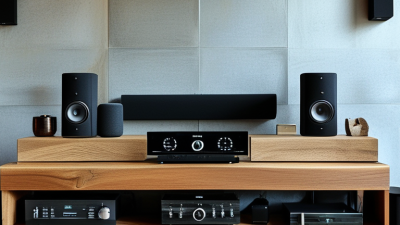
Test the panel inside a real room. Check touch response with wet fingers, screen visibility near a window, microphone clarity, and recovery after power loss. For a Background Music Control Panel, verify speaker wiring, volume limits, scheduling, and local control when the network fails. Request a pilot batch before signing a large order. Measure returned units, reboot frequency, and temperature rise during continuous use. Small tests expose expensive assumptions.

Security deserves equal attention. A 2024 global data-breach report estimated the average breach cost at US$4.88 million, making secure development a commercial concern, not only a technical one. Confirm encrypted communication, signed firmware updates, role-based access, vulnerability reporting, and a documented end-of-support policy. Ask whether the manufacturer provides API documentation and realistic response times. They may promise customization quickly. Insist on written limits, because “possible” is not the same as “ready.” I would also examine packaging, replacement procedures, and spare-part availability. These details feel ordinary, yet they often decide whether an installation remains dependable after the first year.

Best Tuya Control Panel Manufacturers in China: How to Select the Right Manufacturer

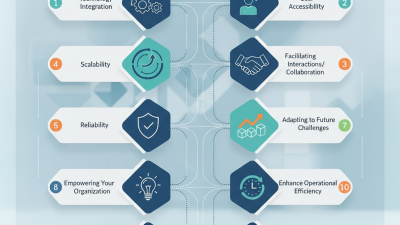
Recommended evaluation priorities for comparing manufacturers on a 100-point project scorecard

For most smart-home and commercial automation projects, product reliability, Tuya compatibility, customization capability, certification compliance, production quality, and after-sales support should receive the greatest attention. The weighting can be adjusted according to project risk, target market, installation environment, and required order volume.

B8 Smart Home Hub Controller: Integrated Music, Gateway, and Control for Modern Homes

The B8 Smart Home Hub Controller responds to a clear industry need: connected homes are becoming more complex, with the 2024 State of IoT report estimating that global connected devices will approach 18.8 billion units. Instead of managing separate systems for entertainment, connectivity, and automation, this integrated hub combines music playback, gateway access, and device control in one streamlined solution. Its three communication modules support broad compatibility, helping connect hundreds of smart devices across different household scenarios.

Scene linkage makes everyday routines more intelligent and natural. A single command can coordinate door locks, lighting, and music, creating a smoother arrival, relaxation, or entertainment experience. The hub also supports networked audio playback, allowing compatible devices in multiple rooms to synchronize music and maintain consistent sound throughout the home. This reflects findings from recent smart-home consumer research, which shows that convenience, interoperability, and simplified control are major factors influencing adoption. Designed by experienced China suppliers and manufacturers, the B8 combines flexible connectivity with dependable factory production, making it suitable for modern residential projects that require scalable control, coordinated atmosphere, and reliable smart-home management.

FAQS

: What is a smart control panel?

: It is a wall-mounted interface for managing lights, curtains, sensors, thermostats, and other connected devices. Users tap scenes on a touchscreen. The panel sends commands through Wi-Fi, Ethernet, or a wireless gateway.

How does a scene work?

A scene combines several actions under one button. For example, “Movie” can dim lights, close curtains, and adjust the thermostat. The changes may happen within seconds. Sometimes, timing is imperfect.

What wireless connections can these panels support?

Common options include Wi-Fi, Ethernet, Zigbee, and Bluetooth. Zigbee devices use little power and can create a mesh network. A gateway translates their signals into network commands. Bluetooth is useful during nearby setup.

Where should a control panel be installed?

Install it near the actual switch box and connected devices. Check signal strength beside concrete walls and metal cabinets. These materials can weaken communication. Small placement errors cause delays.

What panel sizes are suitable for different rooms?

Compact four-inch panels suit bedrooms, corridors, and smaller spaces. Larger screens work better in living rooms. They show clearer icons and room status. Bigger is not always better.

What features can entrance panels provide?

Entrance panels may combine door calling, camera viewing, unlocking, and indoor scenes. They can connect entry events with lights or curtains. Buyers should verify wiring, network stability, and local controls.

Can the panel work without internet access?

Some designs keep basic local controls available during internet outages. This depends on the panel, gateway, and programmed functions. Ask which scenes require cloud access. Test this before installation.

How should buyers test a manufacturer’s panel?

Test touch response, pairing time, standby power, reboot recovery, and offline behavior. Request wiring diagrams, firmware records, testing data, and maintenance instructions. A pilot order is safer than a large first purchase. Low pricing proves little.

Why consider manufacturers from China?

Many factories combine screens, relays, sensors, and wireless modules in one facility. This can simplify customization and shorten prototype cycles. They may adjust mounting holes, language layouts, and enclosure materials quickly. However, quality still varies.

What problems can appear after installation?

Some attractive panels respond slowly after repeated use. Poor router placement may create delayed scenes. Generic firmware can also cause inconsistent behavior. Careful testing remains necessary.

Conclusion

This guide explains what a Tuya Control Panel is and how it connects smart home devices through wireless communication, cloud services, and centralized control interfaces. It reviews the main options available from Chinese manufacturers, including wall-mounted panels, touchscreen hubs, multi-function gateways, and customized control terminals. The article also highlights why China is a popular sourcing destination, focusing on manufacturing capacity, flexible product development, competitive pricing, and support for different project requirements.

Readers will learn how to evaluate manufacturers by examining product quality, certifications, software compatibility, customization capabilities, production experience, communication efficiency, and after-sales support. The guide also presents practical methods for comparing suppliers and selecting the most suitable partner based on application scenarios, order volume, budget, delivery schedule, and long-term cooperation needs. By following these criteria, buyers can reduce sourcing risks and choose a reliable Tuya Control Panel manufacturer for residential, commercial, or integrated smart control projects.
Emily

Emily

Emily is a dedicated marketing professional at Shenzhen X-focus Co., Ltd. (AISpeaker), a leading manufacturer of smart home panels in China. With her extensive knowledge of the company's product offerings, including smart central control panels, background music panels, and intercom systems, she......
Previous How to Choose the Best Smart Thermostat with App Features?