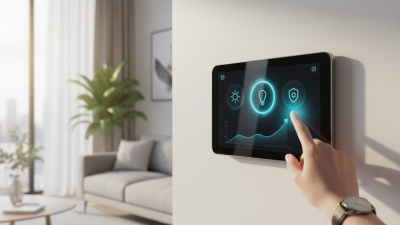
With the climate changing so fast, energy efficiency has really become a big deal for households across Europe. The Best smart thermostat in Europe offers some pretty innovative ways to help you optimize your energy use. These smart gadgets give homeowners the power to keep an eye on their heating patterns, which can mean lower energy bills and a smaller carbon footprint. Pretty cool, right?
That said, it’s important to choose wisely—because not all smart thermostats are created equal. Some folks have run into compatibility issues with their existing systems, and experiences can really vary depending on your home setup and personal needs. Plus, adding a Smart Home Lighting System can make your entire energy game even better.
Finding the right balance between comfort and sustainability isn’t always straightforward. It often calls for a bit of understanding about your own habits and usage. While a lot of people love the convenience these gadgets bring, there are still some challenges when it comes to actually implementing them smoothly. So, if you're thinking about picking the Best smart thermostat in Europe, do your homework, think about what really suits your home, and you’ll be set up for some long-term savings and better energy habits.
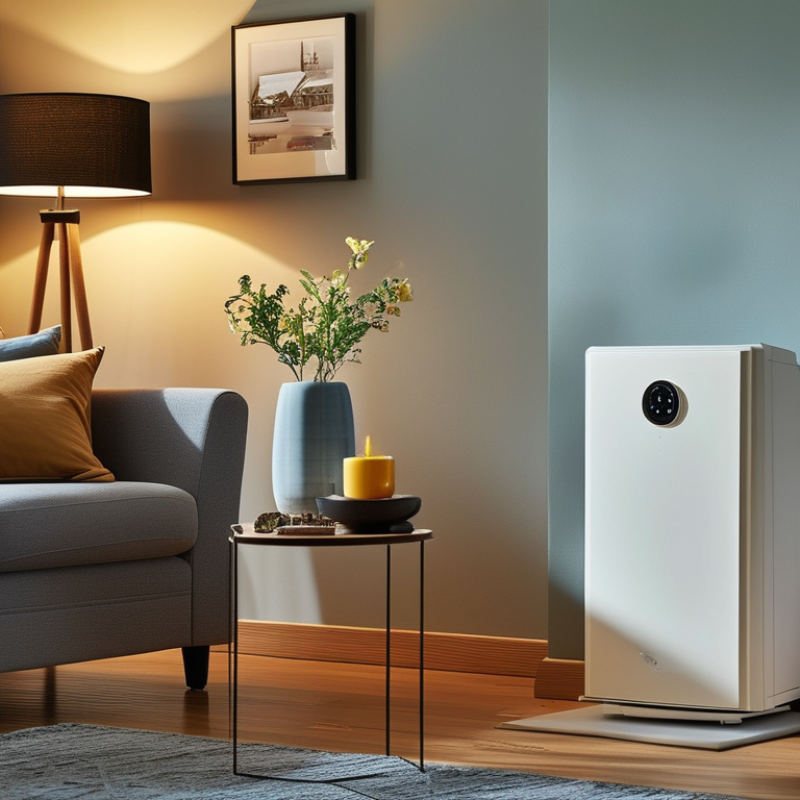
The Role of Smart Thermostats in Reducing Energy Consumption in Europe
Smart thermostats are becoming increasingly vital in Europe, particularly in addressing energy consumption. With rising energy costs and environmental concerns, these devices play a crucial role in efficient heating and cooling of homes. They adapt to individual preferences, ensuring comfort while minimizing waste.
The ability to program temperature settings is a noteworthy feature. Users can set schedules that align with their daily routines. For example, lowering the temperature during off-peak hours leads to significant energy savings. In colder seasons, it's common for households to use more energy than necessary. A smart thermostat helps mitigate this issue effectively.
Data shows that homeowners can save up to 30% on heating bills. However, not every installation guarantees savings. Misplaced sensors or inaccurate settings may lead to energy waste. This underlines the importance of proper setup and user education. The potential benefits are substantial, but users must remain vigilant in optimizing their systems.
Current Energy Consumption Trends in European Households and Their Impact
Energy consumption in European households has seen significant changes in recent years. Many families are now forgoing traditional heating methods. They seek eco-friendly solutions. As winters grow colder, the need for efficient heating rises. The urgency to manage energy consumption effectively has never been more pressing.
Smart thermostats play a crucial role in this transition. They allow precise control over heating systems. By using a Smart House Control System, households can optimize energy use. This leads to noticeable reductions in energy bills. Data-driven insights help families understand their patterns. Despite these advancements, not everyone adopts technology. Some remain hesitant or unaware of the benefits.
The impact of energy consumption trends is multifaceted. Families must adapt to rising costs and environmental concerns. Older homes may struggle with insulation. This can hinder the effectiveness of smart solutions. As more data becomes available, it’s essential to reflect on current strategies. Are they sustainable? The necessity for a smart approach is evident, yet challenges persist.
Why is the Best Smart Thermostat Essential for Europe?
This chart illustrates the current energy consumption trends in European households, highlighting the shift towards more efficient smart thermostat solutions. The data indicates a noticeable rise in energy efficiency in the last decade, reflecting the increasing importance of smart technology in managing energy consumption.
How Smart Thermostats Can Achieve Up to 30% Energy Savings
Smart thermostats are becoming essential in Europe. They promise energy savings of up to 30%, which is crucial in a world facing climate change and rising energy prices. A report from the European Commission shows that EU households could save billions in energy costs by adopting smart technologies. This represents a significant opportunity for consumers and the environment.
Incorporating a smart thermostat allows real-time adjustments based on household activity and weather conditions. This technology learns your schedule and preferences, optimizing energy use throughout the day. A study by the International Energy Agency found that homes with smart controls could reduce energy consumption significantly. This innovative approach not only lowers bills but also minimizes carbon footprints.
Consider implementing Smart Home Central Control. It allows you to manage heating, cooling, and lighting from one device. Assess your usage patterns regularly to ensure maximum efficiency. Additionally, be mindful of the balance between comfort and energy savings. Understanding your habits can help tailor settings more effectively, leading to even greater cost reductions. Adjusting temperatures by just a few degrees can have a notable impact on overall energy consumption.
The Environmental Benefits of Smart Thermostats in Combating Climate Change
Smart thermostats play a crucial role in reducing carbon footprints across Europe. These devices learn user patterns and optimize heating and cooling. By making adjustments based on real-time data, they help lower energy consumption. This translates into fewer emissions, further aiding the fight against climate change.
Many homes consume more energy than necessary. Smart thermostats address this issue. They provide feedback on energy use, allowing homeowners to make informed decisions. This can lead to significant cost savings over time. However, not all households have adopted this technology yet. Barriers such as upfront costs and a lack of awareness remain.
Europe's energy landscape is rapidly changing. Citizens are becoming more environmentally conscious. Smart thermostats can be a step towards sustainable living. Their potential is vast, but challenges persist. Bridging the gap between technology and everyday use will be essential for maximizing their benefits.
Government Incentives and Regulations Promoting Smart Thermostat Adoption
Government initiatives in Europe are increasingly promoting the adoption of smart thermostats. A report by the International Energy Agency (IEA) states that Smart Devices can help reduce energy consumption by up to 15%. This reduction aligns with Europe's ambitious climate goals. Many European governments offer financial incentives to households that install smart thermostats. These initiatives support energy efficiency and reduce greenhouse gas emissions.
A study from the European Commission highlights that 60% of Europeans are open to adopting smart technologies if supported by government programs. This interest is crucial for meeting energy targets. Moreover, regulatory frameworks are evolving. Many nations mandate energy-saving solutions in new homes. However, challenges remain. Awareness about the benefits of smart thermostats is limited in some areas. Education campaigns can bridge this gap.
The European market for Smart Home Devices is projected to grow significantly. By 2025, it is expected to reach over €19 billion, according to Statista. While this growth is promising, it requires strong policy support. Continuous investment in infrastructure and public outreach is essential. Smart thermostats could lead to substantial energy savings, but a coordinated effort is necessary for widespread adoption.
Consumer Preferences: Why Smart Thermostats are Gaining Popularity in Europe
Smart thermostats are becoming increasingly popular across Europe. Recent surveys indicate that over 60% of European consumers are now considering these devices for their homes. This reflects a growing awareness of energy efficiency and the desire for greater control over home environments. According to a 2023 report by the European Environment Agency, the adoption of smart heating solutions could reduce energy consumption by up to 30%.
Smart thermostats not only provide convenience but also empower users to monitor their energy usage closely. Data-driven insights help in making informed decisions about heating schedules and temperature settings. However, some users express concerns about installation complexity and potential technical issues. There is still a learning curve involved, which can sometimes deter adoption.
Tip: Consider starting with a basic device before transitioning to more complex smart systems. Integration with Alexa Smart Home Automation can simplify this journey. Ensuring compatibility with existing systems can ease user anxiety and promote satisfaction. Engaging with online communities or forums can also help users troubleshoot common problems while enhancing their experience with smart technology.
Future Innovations in Smart Thermostat Technology and Their Implications
The landscape of smart thermostat technology is evolving rapidly in Europe. As energy efficiency becomes a priority, new innovations are emerging. A 2021 report from the International Energy Agency revealed that smart thermostats could reduce energy consumption by 10-20% in residential settings. Such savings are crucial as Europe pushes for sustainability in Smart Building Construction.
Recent advancements in machine learning enable thermostats to learn user preferences. These devices can adjust temperatures automatically based on daily routines. In a survey, 70% of users reported increased comfort due to these features. However, reliance on technology presents challenges. Data privacy concerns rise as devices track personal habits. Striking a balance between convenience and security is essential.
Moreover, the integration of smart thermostats with renewable energy sources is a game changer. A study found that homes using solar panels greatly benefit from smart energy management. Yet, not all homeowners see the value. Many remain hesitant to invest in these technologies. Understanding the benefits and implications of smart thermostat use is vital for future innovations.
FAQS
: Smart thermostats help control heating and cooling in homes efficiently, reducing energy waste while ensuring comfort.
They allow users to program schedules that align with daily routines, lowering temperatures during off-peak hours.
Homeowners may save up to 30% on heating bills, but proper setup is critical for realizing these benefits.
Misplaced sensors or incorrect settings can lead to energy waste, indicating the need for user education.
Many families are shifting toward eco-friendly heating solutions, driven by rising costs and environmental concerns.
Poor insulation in older homes can limit the effectiveness of smart solutions, making energy management more complex.
Some users worry about installation difficulty and potential technical issues, which may hinder their willingness to adopt.
Starting with basic devices can help users become familiar before moving to more complex systems.
Engaging with forums allows users to troubleshoot issues and enhance their experience with smart technology.
No, some remain hesitant or unaware of the benefits, highlighting the need for ongoing education and outreach.
Conclusion
The shift towards the best smart thermostat in Europe is crucial for reducing energy consumption and addressing the ongoing climate crisis. Smart thermostats play a significant role in optimizing energy use in households, with the potential to achieve savings of up to 30%. As European households face rising energy consumption trends, these devices not only enhance efficiency but also provide substantial environmental benefits by lowering carbon footprints.
Government incentives and regulations are further promoting the adoption of smart thermostats, aligning with consumer preferences for more sustainable home technology. Looking ahead, innovations in smart thermostat technology promise to enhance their functionality, making them an essential component in Europe’s journey towards a more energy-efficient future. Embracing the best smart thermostat can lead to a more sustainable lifestyle while ensuring comfort and convenience in homes across the continent.