As our homes continue to change, so does the tech that makes our living spaces smarter and more comfortable. In China, we're seeing some seriously cool innovations with Smart Lighting that are totally changing the way we experience light at home. Experts like John Smith, who's been a real trailblazer in the Smart Lighting world, highlight how important this tech really is. I remember he once said, ‘Smart Lighting doesn’t just make your home look better; it also helps you save energy, which is a win-win.’
With the rise of Smart Home Lighting Systems, life gets way more convenient. Think about it—being able to control your lights just by talking or setting them up to change automatically with your daily routine. It’s all about creating that perfect vibe without the hassle. But, let’s be honest, it’s not all smooth sailing. Sometimes, integrating different systems can be tricky, and some setups aren’t exactly user-friendly right out of the box.
Figuring out which Smart Lighting solution is right for you can be pretty overwhelming, honestly. The market is jam-packed with options, so doing a little homework beforehand is key. It’s not just about how good it looks or how fancy it is—it's about finding something that fits your lifestyle and also helps make your home more eco-friendly and efficient. All in all, embracing Smart Lighting is about making your space feel more personal and, at the same time, smarter and more sustainable.
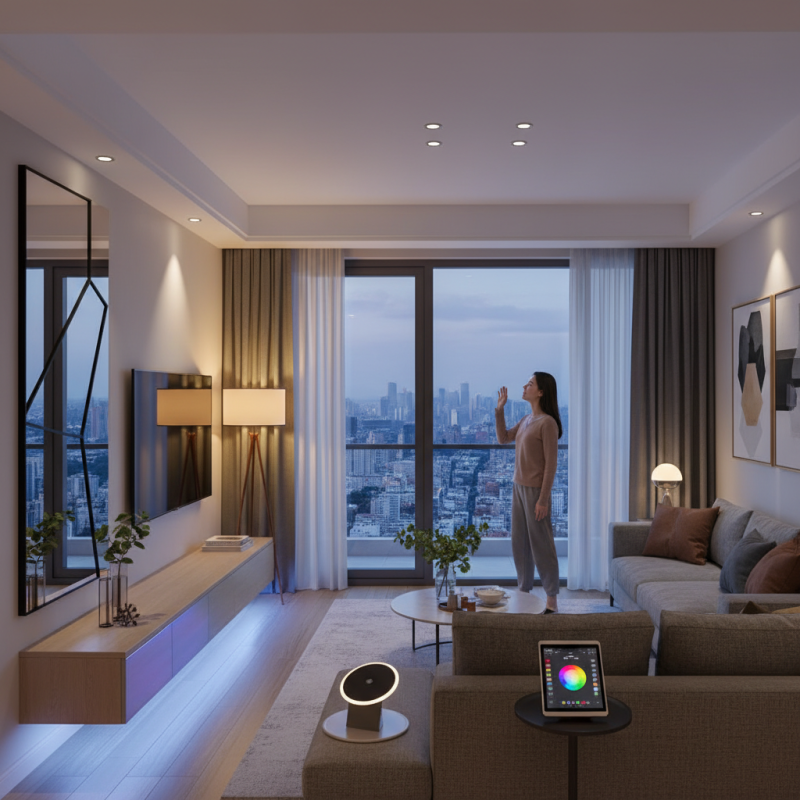
Overview of Smart Lighting Solutions in China
Smart Lighting solutions are increasingly popular in China, transforming homes into intelligent living spaces. A report from Statistaindicates that the Smart Lighting market in China is expected to reach around$5.5 billion by 2025. This growth is fueled by rising consumer demand for convenience and energy efficiency. Many households now invest in Smart Home Lighting Control Systems to enhance their living experience.
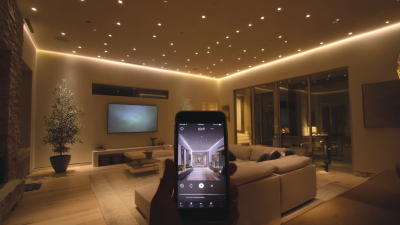
These systems allow users to control lighting remotely, adjust brightness, and set schedules via smartphones. However, adoption can be uneven. Not all homes have the infrastructure for installation. Additionally, some users report difficulties in integration with existing home devices. These challenges highlight the need for better user education and technical support.
Moreover, energy consumption is a key factor. Smart Lighting can reduce energy usage significantly. According to a recent report byMarketsandMarkets, Smart Lighting can save up to60%of energy compared to traditional systems. Yet, not every smart solution delivers on its promises. Users should consider their specific needs and environmental impact when choosing a system. The ongoing evolution of Smart Lighting technologies will likely address current limitations.
Types of Smart Lighting Technologies Available
Smart Lighting technologies have gained popularity in homes across China. These solutions offer convenience, energy savings, and versatility. Homeowners can choose from various options, each with unique features.
One common type is LED smart bulbs. They can easily fit into standard light fixtures. These bulbs often connect via Wi-Fi or Bluetooth. Users can control brightness and color through an app. This flexibility allows for creating moods in different rooms. Also, scheduling can help save energy.
Another option is smart light strips. These are flexible and can be installed in creative ways. They provide vibrant colors and can enhance the aesthetic appeal of a space. However, the installation may require some planning. Users must ensure they have a power source nearby. In some cases, the adhesive may not hold well over time, requiring periodic adjustments. This highlights the need for thoughtful placement and maintenance.
Benefits of Smart Lighting for Homeowners
Smart Lighting solutions are revolutionizing how homeowners in China experience their living spaces. Research indicates that Smart Lighting can enhance energy efficiency by up to 90%. This is a compelling reason for many to consider upgrading their home lighting systems.
The benefits extend beyond energy savings. Studies reveal that Smart Lighting can improve mood and productivity. In fact, properly designed lighting can make spaces feel larger and more inviting. Homeowners have reported better sleep and reduced stress levels when using smart lights, which mimic natural daylight patterns. However, some consumers find it challenging to adapt to new technologies. The installation process can sometimes be complex.
A Smart House Lighting Control System not only allows for customization but also integrates with other smart devices. This integration can create a cohesive smart home experience. Nevertheless, some may struggle with compatibility issues between different brands and devices. As technology evolves, these challenges should lessen, improving the overall user experience.
Best Smart Lighting Solutions for Your Home in China? - Benefits of Smart Lighting for Homeowners
| Feature | Description | Benefit | Price Range (CNY) |
| Smart Bulbs | LED bulbs that can be controlled via smartphone apps | Energy-saving, customizable brightness and colors | 100 - 500 |
| Smart Switches | Replace traditional switches with smart versions | Control lights remotely, set schedules | 200 - 800 |
| Smart Light Strips | Flexible light strips for decorative lighting | Enhance ambiance, easy installation | 150 - 600 |
| Motion Sensor Lights | Lights that turn on/off based on movement detection | Increased security, energy saving | 300 - 900 |
| Smart Home Hubs | Centralized controllers for all smart devices | Integrated control and automation | 500 - 1500 |
Key Features to Consider When Choosing Smart Lighting
When exploring smart lighting solutions for your home, several key features can significantly enhance your experience. Firstly, interoperability is crucial. Ensure your smart lighting can connect with various devices. A study by the International Data Corporation (IDC) highlights that 45% of consumers prefer products that easily integrate within their existing smart ecosystems. This flexibility allows for personalized automation and improved control over your environment.
Energy efficiency is another vital aspect to consider. According to a report by Transparency Market Research, smart lights can reduce energy consumption by up to 80% compared to traditional lighting. This not only saves money but also supports sustainable living. Don't overlook color temperature as well. Adjustable lighting can influence mood and productivity. Smart Lighting Home solutions often offer warm or cool settings, allowing you to create the desired ambience.
Lastly, usability matters. User-friendly apps are essential for easy operation. Complicated interfaces can frustrate users. A survey conducted by Gartner indicates that 65% of users abandon features if they find them difficult to navigate. In the end, balancing these elements can lead to a more satisfying smart lighting experience while providing room for future improvements.
Popular Smart Lighting Brands in China
When it comes to smart lighting solutions in China, several brands stand out. According to a recent industry report, the smart lighting market in China is expected to reach approximately $8 billion by 2025. This growth indicates the rising popularity and demand for innovative home lighting options. Consumers are more inclined to invest in energy-efficient and customizable lighting systems.
Among the leading choices, many Chinese households are now opting for intelligent systems that integrate seamlessly with home automation. Using smart technology enhances not only the ambiance but also energy management. Homeowners appreciate features like remote access, scheduling, and voice control. However, users should be cautious about security concerns, as the interconnected nature of smart devices can increase vulnerability.
Tips for choosing Smart House Lighting include assessing compatibility with existing devices. It’s crucial to check if the system works with your home's hub. Additionally, consider the design and adjustability of the lighting. Choosing a versatile option can improve both functionality and aesthetics. Remember, personal preferences vary, and it’s essential to evaluate what truly enhances your living space.
Installation and Setup Tips for Smart Lighting Systems
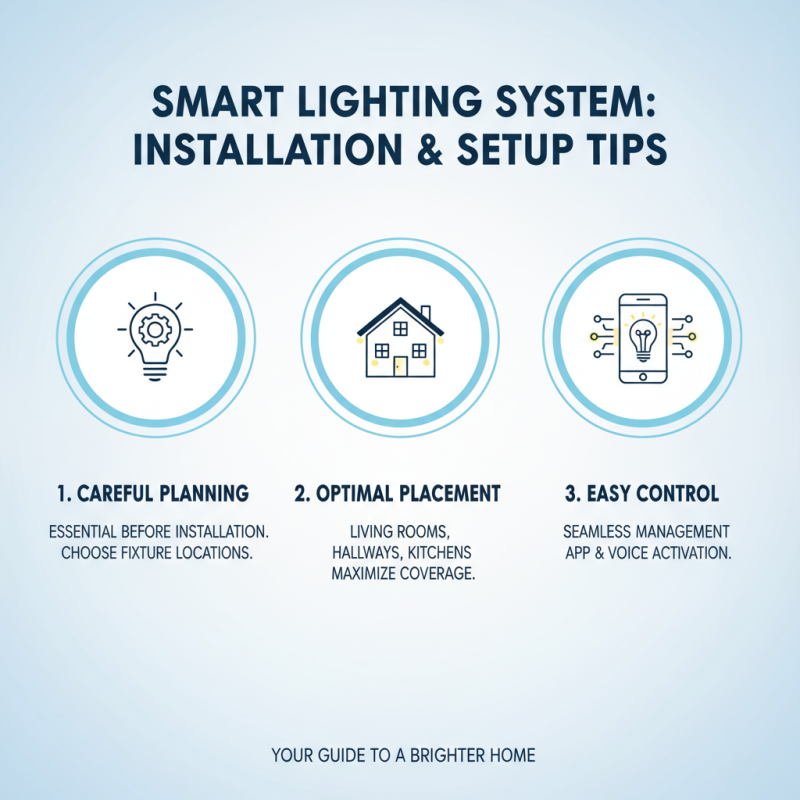
When setting up smart lighting systems, careful planning is essential. Choose the right locations for fixtures. Consider areas like living rooms, hallways, and kitchens. Make sure your smart lights can be controlled easily.
Here are some tips for installation. Start by reading the user manuals. Follow instructions step-by-step. This ensures you connect everything correctly. Additionally, keep your smartphone or tablet handy. Many systems require an app for setup. This can seem tricky at first but is often straightforward.
Don't overlook the importance of Wi-Fi connectivity. Most smart lights need a stable connection. If your signal is weak, consider using a Wi-Fi extender. Lastly, test each light after installation. Make adjustments if they don't respond as expected. There might be some frustration, but refinement leads to a better setup.
Future Trends in Smart Lighting Technology in China
The evolution of smart lighting technology in China is reshaping homes, reflecting a growing trend towards energy efficiency and automation. Recent reports indicate that the smart lighting market in China is expected to reach approximately $13.6 billion by 2027. As urbanization and environmental awareness rise, smart lighting systems are becoming essential for modern homes.
Future advancements look promising. Wireless connectivity and AI integration will dominate, making it easier for homeowners to customize their lighting experience. Data from industry surveys show that 75% of consumers are willing to invest in intelligent lighting solutions for better energy management. Smart sensors, color-changing bulbs, and automated schedules are just a few features that enhance convenience and efficiency.
Tip: When selecting smart lighting, consider compatibility with existing systems. Ensure your chosen devices can communicate seamlessly for optimal performance. Also, be aware of your neighborhood's lighting trends, as they can influence your adoption of smart technology, both socially and practically. Think critically about your needs and usage patterns before diving into smart lighting investments.
Conclusion
Smart lighting solutions are rapidly transforming homes in China, offering homeowners enhanced convenience, energy efficiency, and personalized ambiance. Various types of smart lighting technologies are available, including smart bulbs, LED strips, and integrated smart home systems, each providing unique functionalities. The key benefits of smart lighting include remote control capabilities, the ability to automate lighting schedules, and customization of lighting to suit different moods and activities.
When selecting smart lighting, homeowners should consider features such as compatibility with existing smart home systems, ease of installation, and the range of color options available. As the market evolves, future trends indicate a growing emphasis on energy-saving technologies and greater integration with artificial intelligence, promising even smarter solutions for users. Overall, smart lighting not only enhances the aesthetic appeal of a home but also contributes to a more sustainable living environment.