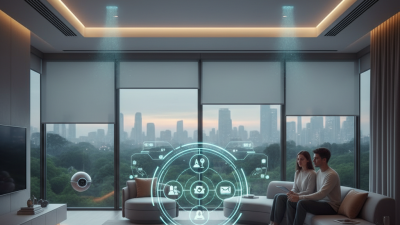
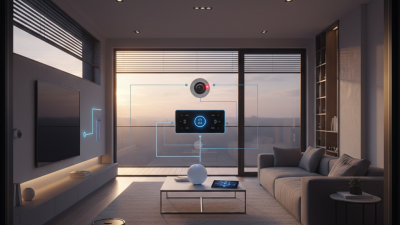
Looking ahead to 2026, Smart Home gadgets are changing so fast it’s honestly pretty exciting. Big names like Amazon, Google, and Apple are really pushing the boundaries, transforming the way we live every day. Imagine walking into your house and lights that turn on automatically or your favorite playlist kicking in right when you arrive—pretty cool, right? These devices aren’t just about making life more comfortable; they also make everything more convenient, almost like having your own personal assistant at home.
Of course, with all these Smart Devices [check out more here](https://www.aispeaker.com/smart-home-automation-devices), there are still a few hiccups. Security worries are definitely a thing—no one wants their smart home to be an easy target for hackers. Plus, getting different brands to work smoothly together can be a real headache. And let’s be honest, putting so much into tech raises legit concerns about privacy and data safety. While these smart home gadgets promise to make life easier, it’s really important to stay aware of the possible risks involved.
All in all, they’re meant to make our routines simpler and more efficient. But, at the same time, we gotta be smart about how we use them. Finding that sweet spot between convenience and security is key. If we approach it thoughtfully, these devices can genuinely add to our lives without putting us in danger. Bottom line: embracing the future means knowing both the cool benefits and the potential pitfalls of living in a smarter home environment.
Emerging Trends in Smart Home Technology for 2026
As we look forward to 2026, Smart Home Technology is evolving rapidly. Reports suggest that the global market share for smart home devices will reach $157 billion by 2026. This growth reflects how essential these devices have become. Consumers are seeking convenience, energy efficiency, and enhanced security. Emerging trends indicate a rise in AI integration within smart devices. This allows for personalized experiences that cater to individual user needs.
Connected appliances are gaining traction. Data shows that 70% of homeowners express interest in automating everyday tasks. Features such as voice control and remote management make life easier. However, interoperability remains a concern. Many devices still operate in silos, making seamless integration a challenge. Users often face compatibility issues, which can dampen the overall experience.
The Top 10 Smart Home Devices will likely include advanced sensors for monitoring homes. These devices can detect unusual patterns and alert owners. Furthermore, privacy issues are prompting consumers to reflect on data security. As technology advances, the balance between convenience and security will be crucial. Trust in these systems is an ongoing challenge as vulnerabilities are discovered. This journey toward a fully connected home is filled with both excitement and caution.
Best Smart Home Devices for Ultimate Convenience in 2026
This bar chart illustrates the user adoption rates of various Smart Home Devices projected for 2026. The data indicates a growing preference for smart lighting and voice assistants, showcasing the trends in consumer technology adoption for enhanced home convenience.
Top Smart Home Devices for Enhanced Security and Safety
Smart home technology is evolving rapidly, especially in the realm of security and safety. In 2026, expect devices that offer enhanced protection for your home and loved ones. Picture smart cameras with advanced AI analyzing movements in real time. They can distinguish between pets and potential intruders, sending alerts only when necessary. Such advancements promise to reduce false alarms, which can be frustrating.
Another focus will be on smart locks. Future models may feature biometric options, providing personalized security mechanisms. Imagine a device that recognizes your unique fingerprint or voice. This could eliminate the need for keys, enhancing convenience while maintaining safety. However, reliance on technology raises questions. What happens if the system fails or is hacked?
Monitors for smoke, gas, and water leaks are also on the rise. Smart sensors can detect issues before they escalate. They can alert you through your smartphone, even when you're far from home. But, like all technology, these devices may suffer from connectivity issues. Regular maintenance and updates become necessary to ensure reliability. Implementing these devices involves a trade-off between convenience and dependence on technology.
Revolutionary Smart Appliances for Effortless Living
Revolutionizing the way we live, smart appliances make daily tasks effortless. With the rapidly advancing technology of 2026, these devices are designed to enhance convenience. Imagine starting your coffee maker with a simple voice command. The aroma fills your home even before you step out of bed.
Tips: Keep your smart devices updated. Regular updates enhance security and ensure optimal performance. Always check the compatibility of new devices with your existing setup.
Smart refrigerators can now track your groceries. They recommend recipes based on what you have. This minimizes waste and inspires creativity in the kitchen. However, reliance on these devices can lead to loss of culinary skills. Finding balance is key.
Tips: Use smart appliances to inspire rather than replace cooking skills. Experiment with recipes, keeping tradition alive amidst innovation. Stay mindful of how these devices impact daily habits.
Integrating Smart Home Systems: Compatibility and Connectivity
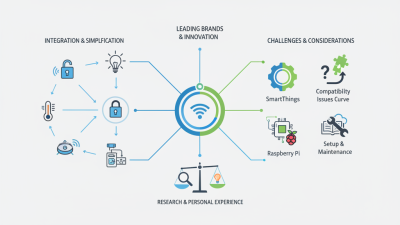
Integrating smart home systems requires careful consideration of compatibility and connectivity. Not all Smart Home Devices work seamlessly together. Users often face challenges in managing multiple platforms. This can lead to frustration during everyday tasks. For example, a smart thermostat may not communicate with smart lights effectively. Ensuring devices can interchange data is crucial for a smooth experience.
While selecting Smart Home Devices, prioritize those with open standards. This enables better interoperability among different brands and products. Devices using Wi-Fi, Zigbee, and Z-Wave standards increase the potential for connection. However, integrating these systems can still be complex. For instance, setting up a unified app to control various devices might not be straightforward.
Regular software updates are essential for ongoing compatibility. An outdated device may have limited functionality. Moreover, it's wise to research user feedback. Many have encountered unexpected issues with specific integrations. Being informed can save time and enhance the convenience of your smart home.
Energy-Efficient Smart Devices for Sustainable Living
Sustainable living is gaining traction in smart homes. Energy-efficient Devices Smart can significantly reduce energy consumption. These devices not only save money but also help the environment. Smart thermostats adjust temperatures based on your schedule. This means you're not wasting energy when you’re away.
Lighting is a game-changer. Smart bulbs can be programmed to turn off when you leave a room. Some even adjust based on natural light levels. These small changes can lead to notable energy savings. However, it's important to remember that not all smart devices are energy-efficient. Research is key to making informed choices.
Furthermore, integrating energy-monitoring devices Smart helps track your usage. This awareness can lead to better habits and reduced waste. However, the reliance on technology may raise questions. Are we truly decreasing our carbon footprint or merely shifting it? It's a complex issue that requires ongoing reflection and adjustment.
Voice Assistants and Smart Home Control: A 2026 Overview
As 2026 approaches, the integration of voice assistants and smart home controls significantly transforms our daily lives. These devices now dominate the market, enhancing user convenience and efficiency. Smart speakers can manage everything, from lighting to temperature. They create an ecosystem that encourages seamless interactions within the home.
However, the technology isn't perfect. Issues like miscommunication can lead to frustration. Sometimes, voice recognition fails, especially with accents or background noise. Users must learn to articulate commands clearly. This nuance highlights the importance of adaptability in these technologies. Smart homes also pose privacy concerns. While convenience is paramount, security cannot be overlooked.
The evolution of smart home control is impressive. Devices continuously learn user preferences, adapting to routines. Smart systems can even anticipate needs, executing tasks without explicit commands. Despite these advancements, it’s crucial to reflect on the balance between convenience and complications that arise. As users embrace smart technology, ongoing education about its limits remains essential. Understanding these nuances contributes to a more informed and safe smart home experience.
Best Smart Home Devices for Ultimate Convenience in 2026
| Device Type | Key Features | Compatibility | Price Range |
| Voice Assistant | Voice recognition, smart device control, music streaming | iOS, Android, Windows | $50 - $200 |
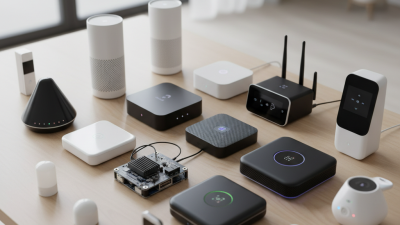
| Smart Hub | Central control for smart devices, automation routines | Zigbee, Z-Wave, Wi-Fi, Bluetooth | $100 - $300 |
| Smart Light Bulbs | Programmable colors, remote control, energy-efficient | Wi-Fi, Zigbee | $10 - $50 each |
| Smart Thermostat | Temperature scheduling, energy usage insights, remote access | Wi-Fi, various HVAC systems | $100 - $300 |
| Smart Security Camera | Live video feed, motion detection, night vision | Wi-Fi | $50 - $300 |
Future-Proofing Your Smart Home: What to Consider in Device Selection
When choosing smart home devices for future convenience, consider long-term usability. Look for products that offer good integration and compatibility with existing systems. Interoperability is key; devices should work seamlessly together. Home Control Devices with open standards tend to adapt better to future upgrades.
Evaluate the scalability of a device. Choose options that allow for easy expansion. You might begin with a simple hub, then add lights or sensors later. This approach minimizes waste and maximizes value. Many early adopters have faced challenges with products that became obsolete quickly.
Prioritize devices with regular updates and strong security features. It’s vital for protecting your data. Devices that lack robust security may become vulnerable as technology evolves. Remember to review user experiences and expert opinions on device reliability. Not every device will meet expectations. Be prepared for some trial and error before achieving the perfect setup.
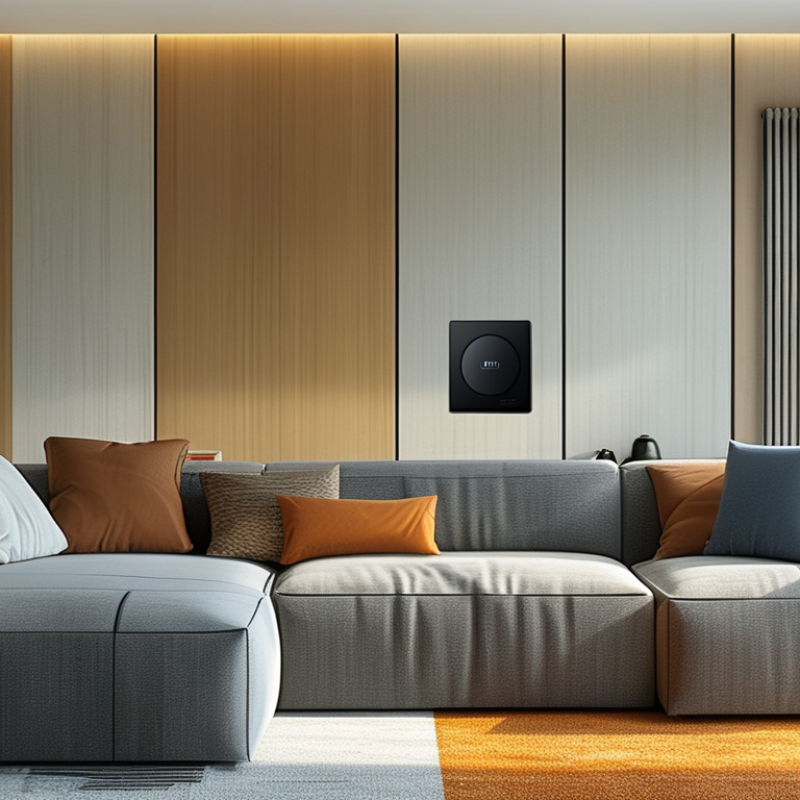
Harnessing Smart Technology: The B8 Home Hub for Seamless Home Automation
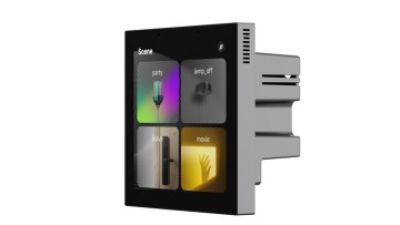
As the demand for smart homes continues to rise, the integration of advanced technology into everyday living has become paramount. The B8 Home Hub exemplifies this trend with its innovative function aggregation capabilities, allowing users to manage music, control devices, and connect gateways seamlessly. According to industry reports, approximately 60% of homeowners in China are now looking for comprehensive smart solutions that not only optimize functionality but also enhance their living experience. This product meets the demand by providing a one-stop management system that elevates the user's interaction with their home environment.
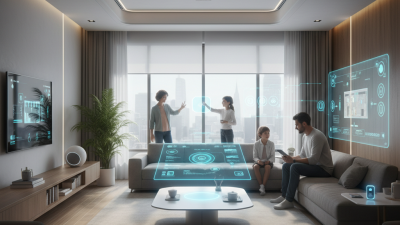
Moreover, the ability to create intelligent living scenes through scene linkage is a significant advancement in home automation. By linking devices such as door locks, lights, and music systems, users can effortlessly transition from one activity to another—be it entertaining guests or enjoying a quiet evening. Research indicates that homes equipped with interconnected devices see a 35% increase in operational efficiency, showcasing the importance of smart technology in everyday life. The B8 Home Hub is designed to cater to this need, ensuring that users can enjoy personalized and automated living spaces.
Audio networking is another remarkable feature that this hub brings to the table. With the capability for synchronized audio playback across multiple devices, users can immerse themselves in a superior audio atmosphere throughout their homes. Data from market analysis predicts that by 2025, over 75% of homes in urban areas will be equipped with smart audio solutions, reflecting the growing appetite for integrated home entertainment systems. The B8 Home Hub's wide compatibility with diverse communication modules ensures that it can adapt to a wide array of home setups, making it an ideal choice for those seeking reliable and innovative smart technology solutions.
FAQS
: Smart appliances enhance convenience and make daily tasks effortless. They streamline activities in our homes.
Smart refrigerators track groceries and suggest recipes based on available items. This helps reduce waste.
Regular updates and compatibility checks are essential for optimal performance and security of smart devices.
Yes, reliance on smart devices may lead to a loss of culinary skills. Finding a balance is important.
These devices reduce energy consumption and utility costs. They help users save money and benefit the environment.
Miscommunication and voice recognition issues can cause frustration. Clarity in commands is necessary for effective use.
No, not all smart devices are energy-efficient. It’s important to research before making purchasing decisions.
Integrating energy-monitoring devices helps track usage. Increased awareness can prompt better energy habits.
While convenience is high, privacy and security issues must be considered when using smart technology.
Yes, ongoing reflection is necessary. It raises questions about whether we truly reduce our carbon footprint.
Conclusion
As we look ahead to 2026, the landscape of Smart Home Devices is evolving rapidly, offering unprecedented convenience and security for homeowners. Emerging trends highlight enhanced connectivity and compatibility among various devices, enabling seamless integration of smart systems throughout living spaces. Key innovations include revolutionary smart appliances designed to streamline daily tasks, as well as advanced security devices that enhance safety and peace of mind.
In addition, energy-efficient smart devices are becoming essential for sustainable living, reducing energy consumption while maintaining optimal performance. Voice assistants are increasingly central to smart home control, providing intuitive ways to manage various functions hands-free. When selecting Smart Home Devices, considering future-proof options will ensure that your home remains adaptable to new technologies and trends for years to come.