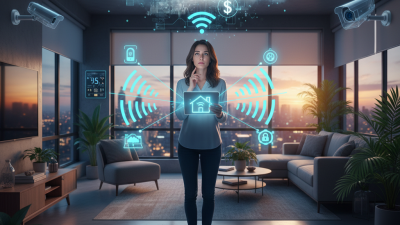
In the fast-changing world of smart home tech, picking the right Smart Home Control Panel can really boost your home automation game. I mean, it’s pretty important! John Doe, a senior analyst at SmartTech Innovations, puts it simply: a good control panel should make your life easier, not more complicated. His point? It’s all about user-friendliness.
When you're shopping around, think about what features will actually fit into your daily life. Do you want something that works with your voice assistant or your phone? The Android Smart Home Control Panel is becoming super popular because it’s so versatile. It’s designed to handle everything—lights, security, climate—all in one easy-to-use spot.
That said, the market’s kinda crowded, and not every control panel lives up to the hype. Sometimes, you run into compatibility problems or network hiccups. That's why it’s really worth doing your homework — read reviews, do some research. The perfect panel should make things simpler, not add more hassle. Finding the right one might take some time, but focusing on ease of use and reliability will save you headaches later on.
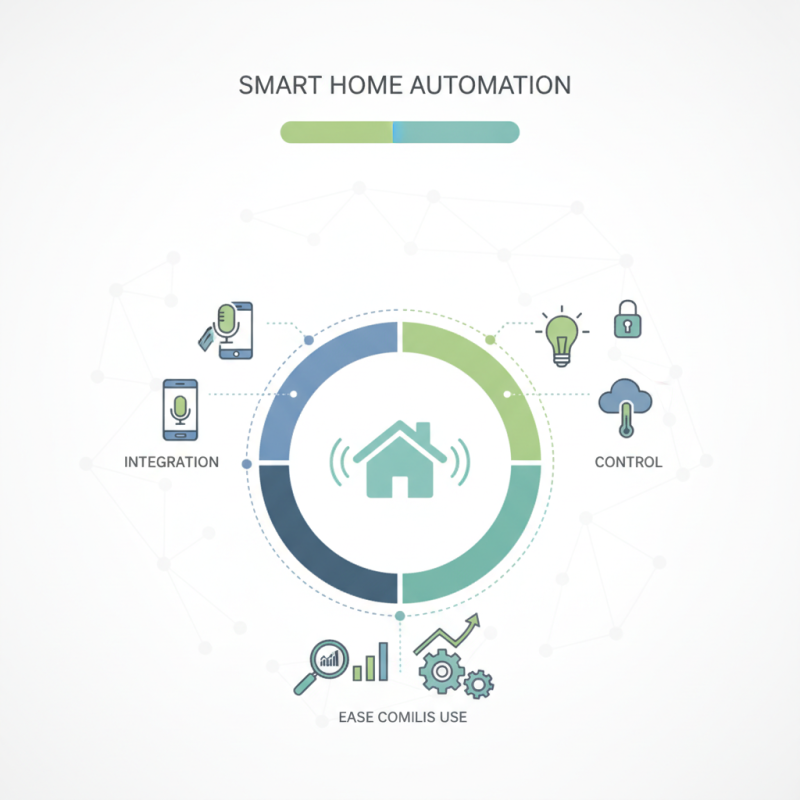
Best Smart Home Control Panel: Key Features to Consider
When selecting a smart Home Control panel, certain features stand out as essential. A user-friendly interface is crucial. Home automation should simplify your life, not complicate it. Look for touch screens that are intuitive and responsive. Physical buttons can also provide reliability, especially for those who prefer traditional controls.
Another key factor is compatibility. Ensure the control panel works with a wide range of devices. This includes lights, thermostats, and security systems. Not all devices are created equally. Some may require specific applications or updated software. That can lead to frustration during setup.
Security features deserve careful consideration. Encryption methods are vital for preventing unauthorized access. Regular software updates can also protect against vulnerabilities. A system that lacks robust security can be a risky investment. Think about your family's safety when making a choice.
In the end, balancing features and usability is crucial. An ideal control panel should meet your needs without overwhelming you. Customizable options are also a plus. They allow you to tailor the system to your lifestyle. Addressing these factors can lead to a more satisfying smart home experience.
Market Trends in Smart Home Automation Technology for 2023
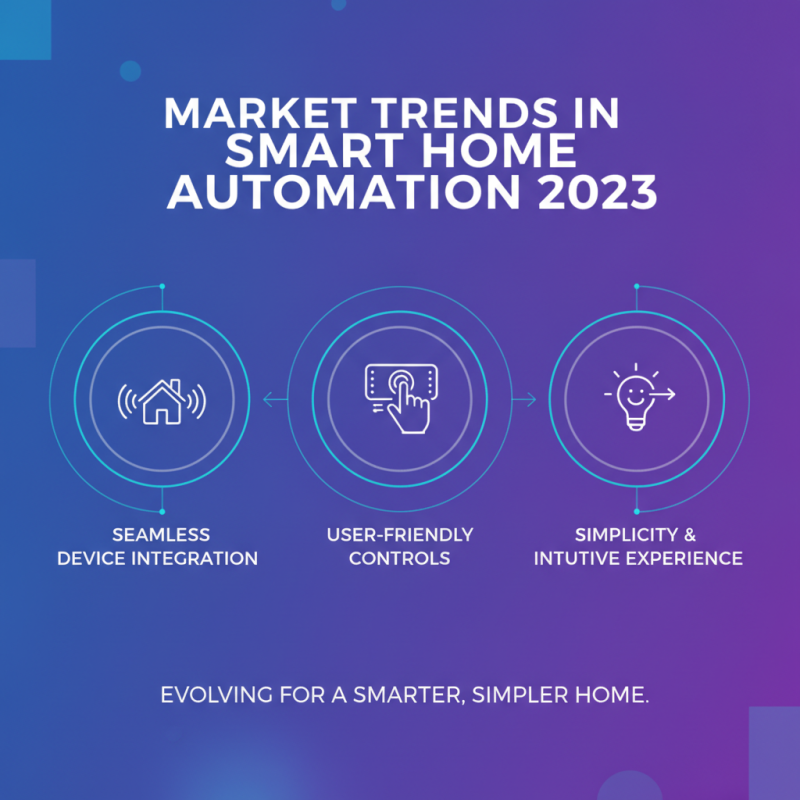
As 2023 approaches, the landscape of smart home automation is evolving rapidly. More consumers are seeking seamless experiences that integrate various devices. The focus has shifted toward user-friendly interfaces and intuitive controls. This quest for simplicity is becoming a primary driver in the market.
The increasing adoption of voice assistants highlights a preference for hands-free operation. Consumers want technology that anticipates their needs. However, challenges remain in ensuring compatibility among devices. Users often report frustrations when devices fail to communicate effectively. Moreover, security concerns continue to dominate discussions around smart home technologies.
Recent trends also reflect a greater emphasis on energy efficiency. Homeowners are looking for solutions that help reduce their carbon footprint. Smart thermostats and energy monitoring devices are gaining traction. Yet, many users struggle with understanding how to optimize these technologies effectively. Bridging the knowledge gap is crucial for maximizing benefits. Addressing user concerns with practical, straightforward solutions can help build trust in this emerging market.
Top Smart Home Control Panels Reviewed: Performance and Usability
When selecting the best Smart Home Control Panel, performance and usability are crucial. Many panels offer sleek designs and robust features. However, real-world use often reveals design flaws or connectivity issues. Some controls may lag, frustrating users who seek a seamless experience. It's important to consider how the panel integrates with multiple devices and systems.
Tips: Always check reviews from real users. They can highlight unseen challenges or fantastic features. Don’t underestimate the importance of a responsive touch interface. It makes operation intuitive and quick.
After choosing a Smart Home Control Panel, take time to customize settings. Many users overlook personalization options, which can enhance the functionality. Remember that a complex setup can be daunting. Break it down into small steps to ensure you don’t get overwhelmed. User manuals can be dense. Search for video tutorials to simplify the process.
In the quest for the ultimate home automation, test your setup regularly. Devices may become less responsive over time due to firmware updates. Keeping your Smart Home Control Panel up-to-date is essential. Prioritize panels with strong support for ongoing updates and improvements.
Integration Capabilities: Connecting Smart Devices Seamlessly
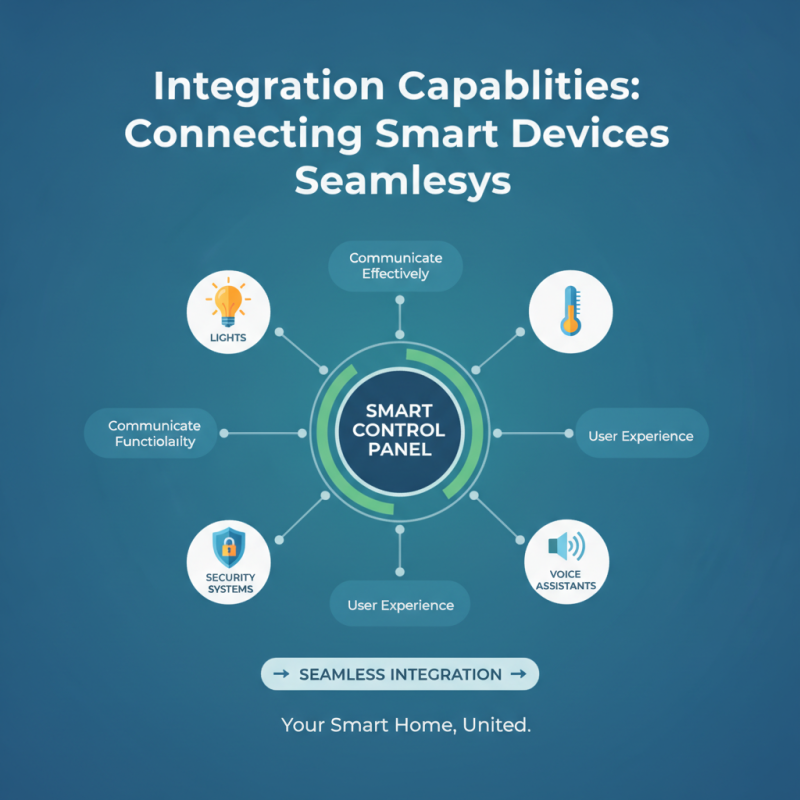
When setting up a smart home, integration is key. A Smart Control Panel acts as the heart of your home automation system. It connects various devices, allowing them to communicate effectively. Seamless integration enhances functionality and user experience. Smart devices like lights, thermostats, and security systems should work together effortlessly.
Tips for optimal integration include checking compatibility before purchase. Not all devices communicate on the same network. Consider using devices that support the same protocol. This can minimize connectivity issues down the line. Regularly updating your Smart Control Panel’s software also ensures devices remain compatible as technology evolves.
Be mindful that not every device will function perfectly within your ecosystem. Some may drop connections unexpectedly. Troubleshooting can be frustrating but is essential. Documenting your setup can help identify recurring issues. Emphasizing reliability in your smart home setup leads to a smoother, more enjoyable automation experience.
User Experience: The Role of Interface Design in Home Automation
In the realm of home automation, the interface design plays a pivotal role. A well-designed control panel must prioritize user experience. Simple navigation and intuitive controls make it easier for homeowners to manage their smart devices. Users should feel empowered, not overwhelmed, by the technology surrounding them. Visual clarity is essential; icons should be easily recognizable, and color schemes must be appealing yet functional.
Tips: Use consistent layouts to enhance familiarity. This helps reduce confusion when accessing various features. Feedback mechanisms, like subtle animations or sounds, can affirm user actions. Yet, don’t overdo this; it can become intrusive. Create a balance between functionality and aesthetics.
However, not every interface gets it right. Some designs prioritize looks over usability. This can frustrate users who need quick access to important controls. Complex menus can lead to confusion and errors. Regularly solicit user feedback to identify pain points and areas for improvement. Encourage users to suggest features that would make their experience smoother and more enjoyable.
Cost Analysis: Budgeting for a Smart Home Control Panel
Budgeting for a Smart Home Control Panel involves careful consideration of costs and features. The initial price can range widely. Basic models may start at a few hundred dollars. More advanced options, with additional capabilities, can quickly escalate into the thousands. It's crucial to assess your needs before diving in.
Installation adds another layer of expense. Some systems are DIY-friendly, while others require professional help. This can significantly affect your overall budget. Don't overlook ongoing costs, such as compatible devices or subscription services. Each piece adds to the total investment necessary for a fully automated Smart House Control Panel.
Moreover, consider the longevity and reliability of your investment. Technology evolves rapidly, making it essential to choose wisely. What seems perfect today may not stand the test of time. Evaluate warranties and support services provided by manufacturers. Many users find themselves wishing they had opted for more robust options after their initial purchase. Plan carefully.
Future Innovations: What to Expect in Smart Home Automation Solutions
The future of smart home automation is rapidly evolving. Industry reports predict a market growth of 27% annually in the next five years. This growth reflects the increasing demand for more integrated systems. Consumers are no longer satisfied with standalone devices. They seek seamless connectivity throughout their homes.
Expect innovations like voice-controlled Home Automation Control Panels that integrate advanced AI. These panels can learn user habits and adjust settings automatically. Research shows that 72% of homeowners prioritize energy efficiency in their smart home setups. New devices will focus on sustainability, helping reduce energy consumption while enhancing user convenience.
Tips for improving your smart home experience: Ensure all devices are compatible with your Home Automation Control Panel. Regularly update your systems to avoid vulnerabilities. Take time to personalize settings for a tailored experience—you’ll benefit from it later. Monitoring usage data can uncover inefficiencies. Addressing these can lead to better energy savings. As technology advances, remaining adaptable will be key in optimizing automation at home.
Best Smart Home Control Panel for Ultimate Home Automation
| Feature | Description | Rating (1-5) | Price Range |
| User Interface | Intuitive and easy to navigate | 4 | $100 - $300 |
| Compatibility | Works with major smart home devices | 5 | $150 - $400 |
| Voice Control | Supports voice commands | 5 | $120 - $350 |
| Automation Features | Custom scheduling and routines | 4 | $100 - $250 |
| Security | Includes security features like alerts | 4 | $200 - $500 |
Enhancing Vehicle Experience: A Comprehensive Overview of the M20 Smart Knob Center Control Screen
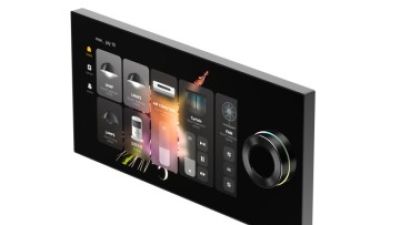
The M20 Smart Knob Center Control Screen redefines the vehicle experience by integrating advanced technology and user-friendly design. At the forefront of its features is the Flexible Binding capability, allowing users to connect specific devices or scenes directly to knobs or buttons. This innovation streamlines operations, making it effortless for drivers to control various aspects of their in-vehicle environment with a simple twist or press.
Network performance is crucial for a seamless experience, and the M20 excels with its robust capabilities that include wireless 5G, 2.4G, and a 10/100M Ethernet connection. This ensures a stable and reliable connection, essential for real-time control and information access. Users can also enjoy the Special Function, which features an AIS Life album designed to capture and preserve precious family moments, adding a personal touch to the overall driving experience.
The M20 series offers rich versions to cater to diverse user needs, including smart central control, background music, and specialized KNX and PRO versions. The PRO version stands out with its 4G memory and compatibility with third-party ecosystems, maximizing functionality at the user's fingertips. With interfaces that support various connections, such as RS485, type-C, and Ethernet, the M20 Smart Knob Center Control Screen is positioned as a versatile and indispensable part of modern vehicle technology.
FAQS
: Interface design affects user experience significantly. A good design makes navigation easy and enjoyable.
Control panels should prioritize simple navigation and intuitive controls. Users should feel in control, not overwhelmed.
Consistent layouts make features familiar. This reduces confusion and helps users navigate their devices quickly.
Some designs focus too much on aesthetics. This can frustrate users needing quick access to important controls.
Regularly collecting user feedback helps identify pain points. This leads to improvements and better user experiences.
Consider initial costs and additional expenses, like installation. Don’t forget ongoing costs for devices and subscriptions.
Technology changes rapidly. What’s ideal now may become outdated. Choose your devices wisely to ensure longevity.
Features should match your needs. Overly complex panels can lead to errors, making user experience frustrating.
DIY can save money but may not suit all systems. Some require professional installation, affecting your budget.
Conclusion
In the evolving landscape of smart home technology, selecting the best Smart Home Control Panel is crucial for achieving effective home automation. Key features to consider include user interface design, integration capabilities with various smart devices, and overall performance and usability. As 2023 progresses, market trends indicate a growing focus on seamless connectivity and enhanced user experiences, which significantly impact the way homeowners interact with their systems.
When budgeting for a Smart Home Control Panel, one must take into account the cost analysis associated with both the hardware and potential subscriptions. Future innovations in smart home automation are set to change the industry, promising smarter, more intuitive solutions that cater to an increasingly tech-savvy consumer base. By understanding these elements, homeowners can make informed decisions that enhance the convenience and efficiency of their smart homes.