In today's world of hospitality, making sure guests stay comfortable is pretty much top of the list. I was chatting with HVAC expert Dr. Emily Carter from Comfort Innovations, and she mentioned that—get this—a solid, reliable Hotel Thermostat can really make a difference, not just for saving energy but also for keeping guests happy. That’s such a good reminder of how choosing the right thermostat really matters, especially in hotels and big buildings.
Hotels need thermostats that can handle all kinds of guest preferences, but they also need to be easy for staff to manage. Features like programmable settings and remote control are game changers—they make life so much easier. Unfortunately, a lot of places still rely on old systems that don’t have these modern perks. Switching to a sleek, user-friendly thermostat can seriously boost comfort and cut down on energy waste.
Looking at what's out there now, it’s pretty clear that not all thermostats are created equal. Some come packed with cool features, but they can be tricky to install or compatible with existing setups. Honestly, investing in good quality makes all the difference. The key is to weigh your options carefully—and getting advice from the pros can help you land the best choice for both efficiency and guest satisfaction.

Choosing the Right HVAC Thermostat for Commercial Spaces
Choosing the right HVAC thermostat for commercial spaces involves understanding unique needs. Hotels and other commercial buildings require more than basic temperature control. They need systems that enhance guest comfort and save energy.
Consider programmable thermostats. They can adjust temperatures based on occupancy, providing comfort while saving costs. Some thermostats allow individual room control, which benefits guests seeking different temperatures. This can lead to increased satisfaction but may require more detailed planning to implement.
Another option is intelligent thermostats. They learn patterns and adjust settings automatically. While they promise efficiency, they can be complex to set up. Staff may need training to manage these features effectively. Balancing technology with user-friendliness is essential. A well-chosen thermostat can significantly impact overall energy management. Regular evaluations of the system's effectiveness can guide future improvements.
Key Features to Look for in Hotel Thermostats
When selecting HVAC thermostats for hotels and commercial buildings, several key features are essential. One of the most important aspects is energy efficiency. According to the U.S. Department of Energy, smart thermostats can reduce energy costs by up to 10-30% annually. This translates to significant savings for commercial facilities, which typically have high energy demands. A thermostat with programmable features allows businesses to set heating and cooling schedules, optimizing energy use during peak and off-peak hours.
Additionally, user-friendly interfaces are crucial. Many guests may not be familiar with complex systems. A simple digital display and intuitive controls enhance guest experience and satisfaction. Moreover, the ability for remote access and control can be a game-changer. Building managers can adjust settings off-site, ensuring optimal comfort without requiring physical presence. Industry studies suggest that hotels with advanced HVAC systems see a 20% increase in guest satisfaction scores when compared to those with traditional thermostats.
Finally, addressing potential issues such as system compatibility is vital. A thermostat must work seamlessly with existing HVAC systems. Maintenance costs can be high if compatibility is overlooked. Some reports indicate that incompatible systems can lead to increased equipment turnover. This can create unnecessary financial burdens for commercial establishments. Proper research and selection mitigate these risks while enhancing the overall operational efficiency of the building's HVAC system.
Types of HVAC Thermostats Suitable for Hotels and Commercial Buildings
When it comes to HVAC systems in hotels and commercial buildings, choosing the right thermostat is crucial. Several types of thermostats cater to the unique demands of these environments. Programmable thermostats are common. They allow for scheduled temperature adjustments, promoting energy efficiency. This feature can lead to cost savings over time. However, installing these devices requires careful planning. Staff must learn to use them effectively.
Smart thermostats are another option. They offer connectivity and remote control. This feature enables managers to adjust settings from anywhere. It's a convenient choice for busy environments. Yet, there can be a learning curve. Staff may struggle with advanced features. Training is necessary to maximize their potential.
Occupancy sensors are increasingly popular. They adjust temperatures based on room occupancy. This technology prevents energy waste in unoccupied rooms. However, false readings can occur sometimes. Regular maintenance is essential to ensure accuracy. Evaluating each thermostat type is vital. Each option has its pros and cons. Understanding the needs of the building can lead to better choices.
Benefits of Smart Thermostats in Hospitality Management
In the hospitality industry, comfortable environments are crucial for guest satisfaction. Smart thermostats play an essential role in achieving this goal. These devices adapt to guest preferences, learning their habits over time. They can adjust temperatures based on room occupancy, ensuring energy efficiency without compromising comfort. Such innovation leads to reduced operational costs, which is beneficial for hotel management.
The use of smart thermostats also enhances the guest experience. Guests can control room temperatures through their smartphones, providing convenience and personal comfort. Imagine a traveler arriving at a hotel room that is already set to their preferred temperature. This thoughtful touch can lead to positive reviews and repeat business.
However, not all properties take full advantage of this technology. Some may hesitate to invest in smart solutions, fearing high costs or complexity. It's essential for hotel managers to weigh these concerns against the potential savings and guest satisfaction. Proper implementation, training, and ongoing support are crucial for success. Embracing change can create a more welcoming atmosphere for guests.
Installation Considerations for Commercial Thermostats
When installing commercial thermostats for hotels and buildings, several considerations arise. Choose a model that suits the size and layout of your space. A unit that does not account for room volume may lead to inefficient heating or cooling. Review technical specifications carefully to ensure compatibility with existing HVAC systems.
Placement is crucial. Install thermostats in locations away from direct sunlight, doors, and vents. This prevents erroneous readings. Furthermore, ensure that devices are accessible for users and maintenance staff. Consider adding backup power solutions to maintain functionality during outages.
Communication is key in these settings. Staff should be trained on how to adjust settings based on occupancy and weather changes. Frequent adjustments can optimize comfort and energy usage. Regular maintenance is essential to ensure accurate performance; check batteries and functionality routinely. Consider reviewing installation choices periodically to adapt to evolving needs or expanding spaces.
Performance Comparison of HVAC Thermostats for Hotels and Commercial Buildings
Energy Efficiency and Cost Savings with Advanced Thermostats
Energy efficiency is a growing concern for hotels and commercial buildings. Advanced thermostats play a crucial role in achieving significant cost savings. According to the U.S. Department of Energy, thermostat improvements can lead to a 10-30% reduction in heating and cooling costs. These devices can adapt to occupancy patterns, ensuring comfort while minimizing wasted energy.
Smart thermostats often utilize sensors and machine learning. They adjust temperatures based on the number of people in a room. This technology ensures that energy isn’t wasted on unoccupied spaces. A study from the Lawrence Berkeley National Laboratory revealed that proper thermostat management could save a commercial building up to 15% on energy costs annually.
Despite these benefits, some facilities struggle to fully implement these systems. Lack of training or understanding can limit their effectiveness. Regular assessments of system performance are essential. Establishing best practices and routines ensures these advanced thermostats deliver the expected energy savings and comfort levels. The potential for improvement remains significant when proactive measures are taken.
Comparative Analysis of Top HVAC Thermostat Brands for Hotels
When choosing HVAC thermostats for hotels and commercial buildings, it is essential to consider various factors. Smart thermostats offer energy-efficient options. They can adapt to occupancy patterns, helping reduce energy costs. Their advanced features also allow remote access, enabling managers to monitor temperatures from their devices.
Ease of installation is another critical aspect. Some models can integrate with existing systems, while others may require extensive modifications. Users often face challenges when adapting to new technology, prompting reflection on training needs for staff. Additionally, user interfaces can vary significantly; a complicated design may frustrate both guests and staff.
Durability plays a crucial role as well. Commercial buildings demand reliable performance under constant use. It's necessary to evaluate warranties and customer service options that brands provide. Some users report difficulties with post-purchase support. Addressing such concerns early can lead to improved operations in the long run. Overall, making an informed choice requires balancing modern features, user-friendliness, and strong customer support.
Enhancing Guest Experience: The Impact of C8 Smart Hotel Control Panel on Hospitality Management Efficiency and Energy Savings
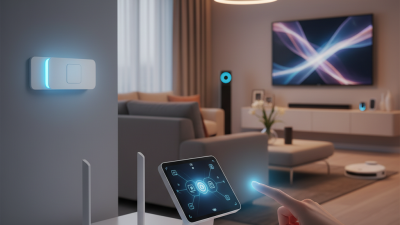
The hospitality industry is increasingly focusing on enhancing guest experience while simultaneously improving operational efficiency and energy savings. The C8 Smart Hotel Control Panel stands out as a transformative tool in achieving these objectives. Its wide protocol support enables compatibility with diverse devices, facilitating seamless integration throughout the hotel environment. Reports indicate that hotels that implement smart technology experience a 25% increase in guest satisfaction due to enhanced convenience and personalized services, highlighting the potential impact of such systems.
One of the key features of the C8 Smart Hotel Control Panel is its efficient management capability. The one-key addition of devices allows hotel operators to streamline operations, ensuring that management processes are unified by floor and room. A study by the Hospitality Technology Report found that 70% of hotel operators noted significant time savings in managing guest services with smart technology, which translates directly into cost reductions and improved staff productivity.
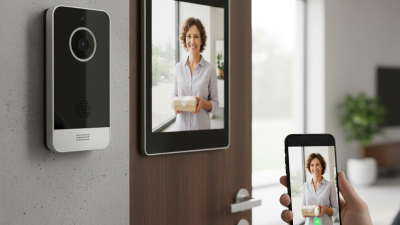
Moreover, the intelligent assistant feature reinforces the guest experience by providing timely weather updates and enabling personalization through alarm settings. Enhancing security is another critical aspect, as the control panel supports video display from multiple cameras, bolstering security monitoring within the hotel premises. Data from the International Hotel Security Association suggests that properties that prioritize such integrations can see a 40% reduction in security incidents, further ensuring that guest comfort and safety are effectively balanced. This holistic approach through intelligent systems not only transforms guest interactions but also paves the way for significant energy savings within hotel operations, aligning with sustainable practices and modern guest expectations.
FAQS
C thermostat for commercial spaces?
They adjust temperatures based on occupancy, saving costs while enhancing comfort.
They learn user patterns and adjust settings automatically for efficiency.
Complex setups may require staff training. Balancing ease of use is important.
Guests can control temperatures via smartphones, making stays more comfortable.
Some fear high costs and complexity. These concerns need careful consideration.
It helps assess effectiveness and guides future improvements.
Yes, they reduce operational costs and enhance guest satisfaction over time.
Comfortable environments lead to positive feedback, which encourages repeat business.
Some properties do not fully leverage the technology, missing out on its benefits.
Conclusion
Selecting the right Hotel Thermostat is crucial for optimizing the HVAC systems in commercial spaces such as hotels and other large buildings. Important factors to consider include the thermostat's compatibility with existing systems, user-friendly interfaces, and advanced features like programmable schedules and remote access. These features can significantly enhance guest comfort while allowing property managers to maintain control over energy consumption.
Smart thermostats stand out in hospitality management by offering enhanced monitoring capabilities and integration with Building Management Systems. Proper installation and maintenance of these thermostats are essential for maximizing their benefits. With a focus on energy efficiency, advanced HVAC thermostats can lead to substantial cost savings, making them an invaluable investment for hotel operators looking to improve both guest satisfaction and operational efficiency.