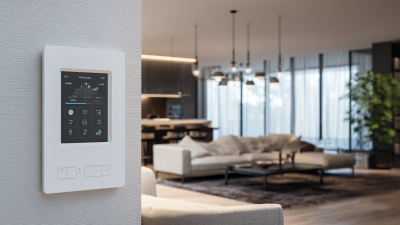
The hospitality world is going through some pretty big changes these days, especially when it comes to energy use and keeping guests comfortable. Hotel thermostats are really at the heart of this shift. I came across a report from the American Hotel and Lodging Educational Institute that said using energy-efficient HVAC systems can cut energy costs by as much as 30%. That’s a pretty huge deal for a hotel’s bottom line, which is why there’s a lot of buzz about smarter, more advanced thermostats right now.
But, honestly, many hotels run into headaches when trying to buy these systems across different locations worldwide. Keeping quality consistent and ensuring compatibility can get pretty complicated. Companies like Honeywell and Ecobee have come up with solutions that work well in various climates and meet different guest needs. And these days, their tech can sync up with Smart Devices, making things feel more seamless for everyone. Still, I think sometimes hotels forget that installing and maintaining these systems is just as important as choosing them—those little details matter.
At the end of the day, as hotels aim to create a cozy, comfortable vibe, picking the right thermostat is more crucial than ever. Good data shows that getting the temperature just right can really boost guest satisfaction and even boost loyalty. So, while many hotels are making progress in choosing the right systems, they also need to think about long-term plans. It’s not just about saving costs or having the latest tech — finding that sweet spot between affordability, efficiency, and guest happiness is a tricky balancing act that no one’s completely nailed yet.

Overview of Hotel Thermostat Solutions in Global Procurement
The hotel industry faces unique challenges when it comes to thermostat solutions. Different climates require different heating and cooling approaches. An effective thermostat must adapt to these varying conditions. Many hotels are moving towards smart technology. Smart thermostats can learn guest preferences and adjust accordingly. This leads to a better experience and can save energy.
In global procurement, maintaining consistency is crucial. Hotels may have chains in multiple countries, each with its own needs. A one-size-fits-all model often doesn't work. Some regions may prioritize eco-friendly solutions. Others may need robust systems for extreme temperatures. Understanding these nuances enhances procurement strategies.
Training hotel staff is equally important. Employees need to understand how to operate these systems fully. Misuse can lead to increased energy costs and guest dissatisfaction. Additionally, regular maintenance is key. Thermostats should be checked frequently for optimal performance. This preventative measure can extend the lifespan of the device. There’s much to improve, and reflection on practices is essential for ongoing success.
Importance of Energy Efficiency in Hotel Thermostats
Hotel thermostats play a crucial role in enhancing energy efficiency in the hospitality sector. Studies show that energy costs can account for up to 6% of total operating expenses for hotels. Implementing energy-efficient thermostats can reduce heating and cooling costs by 20% to 30%. This contributes significantly to a hotel's overall sustainability goals while also offering a cost-effective solution.
Smart thermostats are increasingly popular. They can adjust the temperature automatically based on occupancy, reducing energy waste. According to recent industry reports, hotels that have adopted these technologies improved their energy efficiency ratings by 15% on average. This not only saves money but also attracts eco-conscious travelers looking for sustainable accommodations.
Tips for Energy Efficiency: Regular maintenance of heating and cooling systems is vital. Ensure that thermostats are placed away from heat sources such as windows and lamps to avoid inaccurate readings. Staff training on energy conservation practices can also enhance the effectiveness of these systems. Small changes can lead to substantial savings and improve guest comfort. Making these adjustments can help hotels reflect their commitment to environmental responsibility.
Key Features to Consider in Hotel Thermostat Selection
When selecting a thermostat for hotels, several key features should be prioritized. First, ease of use is essential. Hotel guests must be able to adjust the settings without confusion. Simple interfaces enable quick adjustments, minimizing frustration. Clear labels and intuitive controls can enhance user experience.
Energy efficiency is another important consideration. Thermostats that optimize heating and cooling help save costs. Ideally, they should learn guest preferences over time, automatically adjusting for comfort. Some units even have occupancy sensors, reducing energy use when rooms are unoccupied.
Connectivity is also worth noting. Smart technology offers remote monitoring and control. However, not all systems operate seamlessly. Some may face connectivity issues. Finally, reliability is crucial. A malfunctioning thermostat leads to guest dissatisfaction. Regular maintenance checks can identify potential issues.
Best Hotel Thermostat Solutions for Global Procurement Needs
| Feature | Description | Importance | Notes |
| Energy Efficiency | Systems designed to optimize energy use and reduce costs. | High | Can lead to significant savings on utility bills. |
| Smart Technology | Integration with mobile apps for remote control and monitoring. | Medium | Enhances guest experience with personalized settings. |
| User Interface | Intuitive controls and clear display for ease of use. | High | Important for guest satisfaction and functionality. |
| Compatibility | Works with existing HVAC systems without major modifications. | Medium | Reduces installation costs and downtime. |
| Data Analytics | Provides information on usage patterns for optimization. | High | Can help in future planning and efficiency improvements. |
Comparative Analysis of Smart vs. Traditional Thermostats
When considering hotel thermostat solutions, the choice between smart and traditional thermostats plays a crucial role. Smart thermostats provide advanced features like remote access and learning capabilities. They adjust temperatures based on guest preferences and occupancy patterns. This helps in energy savings and enhances guest comfort. However, these systems require reliable internet connections and regular software updates, which could pose challenges in some regions.
On the other hand, traditional thermostats are simpler and more straightforward. They offer manual controls, enabling guests to adjust settings easily. However, they lack the smart features that enhance efficiency. Maintenance for traditional units can be less complicated, but they usually do not optimize energy usage. Some guests might prefer the familiarity of a manual system, leading to mixed reviews.
Both options have merits and drawbacks. Smart Devices can lead to significant energy savings over time, but their dependency on technology may not suit every establishment. Traditional models can seem outdated to some guests yet may be more reliable in certain environments. Each approach requires careful consideration of the hotel's demographics and operational needs.
Vendor Assessment and Selection Criteria for Global Procurement
When selecting vendors for hotel thermostat solutions, it is crucial to assess various criteria that align with global procurement needs. Data shows that energy efficiency is now a top priority for over 75% of hotel operators. This leads to the urgent need for smart thermostat technologies that adapt to guest habits and improve energy consumption metrics.
The factors for vendor assessment include product reliability, technical support, and scalability. A report from the Global Alliance for Energy Productivity highlights that over 40% of temperature control systems fail to meet hotel-specific needs. Furthermore, the response time for technical support should ideally be under one hour. This aspect is critical, as any prolonged system downtime can lead to significant guest dissatisfaction.
Another consideration is sustainability. Nearly 60% of consumers prefer to stay at hotels that prioritize eco-friendly technologies. Vendors must demonstrate compliance with international sustainability standards. They should provide clear data on the impact of their products on energy use and overall carbon footprint. Evaluating a vendor’s commitment to sustainability can reveal insights into their reliability and ethics.
Challenges in Sourcing Hotel Thermostats Globally
Sourcing hotel thermostats globally presents unique challenges. One major issue is the inconsistency in manufacturing standards across different regions. Various countries have diverse regulations that can complicate procurement efforts. Often, this leads to quality discrepancies. Hotels must ensure that their thermostats meet local safety and efficiency requirements.
Another challenge is the fluctuating costs associated with international shipping and tariffs. Prices can vary significantly based on geopolitical factors. Therefore, establishing reliable relationships with suppliers is vital. Trust can be harder to gauge without an established track record. In this environment, thorough market research is essential.
Additionally, varying customer preferences can pose a problem. Different regions might prioritize different thermostat features. Some may focus on energy efficiency, while others value user-friendly designs. Navigating these preferences is not straightforward. Companies must adapt their sourcing strategies accordingly. Understanding local market demands is critical yet often overlooked.
Future Trends in Hotel Thermostat Technology and Procurement
The hotel industry is evolving rapidly. Smart thermostat technology is now a cornerstone for enhanced energy efficiency. Many hotels seek solutions that not only control temperature but also monitor occupancy. These features help reduce energy costs and improve guest comfort.
Sustainability trends are shaping procurement strategies. Hotels increasingly prioritize eco-friendly technologies. Thermostats that use advanced sensors can adjust settings automatically. This reduces waste and aligns with green initiatives. However, there are challenges. Adopting new technologies requires staff training and infrastructure upgrades. Some properties may struggle with upfront costs despite long-term savings.
The future of hotel thermostat technology lies in integration. Systems that connect with other building management tools create greater efficiency. Yet, not all hotels are ready for such integration. There is a reluctant acceptance of change among some operators. Balancing innovation with practicality will be crucial in these decisions.
Best Hotel Thermostat Solutions for Global Procurement Needs
This chart illustrates the projected trends in hotel thermostat technology and procurement needs over the next five years, highlighting the shift towards smart and energy-efficient solutions.
Innovative Smart Hotel Control Panels: Enhancing Guest Experience and Operational Efficiency
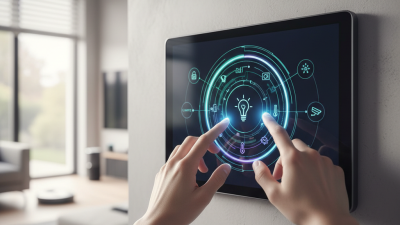
The hospitality industry is undergoing a transformation with the introduction of innovative smart hotel control panels, which significantly enhance guest experience and operational efficiency. According to a recent report by the Hospitality Technology Association, 80% of guests prefer hotels that offer smart technology features, suggesting that the integration of advanced systems has become a crucial factor in guest satisfaction. The widespread protocol support of contemporary smart hotel systems ensures seamless compatibility with various devices, allowing hotels to customize their offerings according to the diverse needs of their guests.
Efficient device management is another pivotal feature that elevates operational efficiency in the hospitality sector. The one-key device addition function simplifies the integration of new devices, while a unified organization system by floor and room streamlines operations for staff. Reports indicate that hotels utilizing such modern management systems can reduce operational costs by up to 30%, demonstrating the value of investment in smart technologies. Furthermore, the inclusion of an intelligent assistant enhances guest interaction by providing real-time weather updates and customizable alarm settings, making the overall stay more convenient and enjoyable.
Security is paramount in any hospitality environment, and enhanced security linkage, including support for multiple camera video displays, offers significant improvements in monitoring capabilities. Research shows that 90% of guests prioritize safety in their accommodation, which means that investing in robust security features not only reassures guests but also boosts their overall experience. By focusing on these innovative product features, hotels can create a more inviting atmosphere while maintaining high operational standards.
FAQS
: They can reduce energy costs by 20% to 30%, lowering total operating expenses significantly.
Smart thermostats adjust automatically based on occupancy, reducing energy waste and improving comfort.
Many hotels adopting smart technology see a 15% average improvement in energy efficiency ratings.
Regular maintenance of heating and cooling systems is vital for optimal energy efficiency.
Thermostats should be placed away from heat sources like windows to ensure accurate temperature readings.
Smart thermostats offer more features but require reliable internet. Traditional ones are simpler but less efficient.
They need regular software updates and stable internet connections. This may not be feasible for all hotels.
Some guests appreciate the simplicity, while others find them outdated compared to smart options.
Yes, small adjustments can lead to substantial energy savings and improved guest comfort.
Training staff on energy conservation practices enhances the effectiveness of heating and cooling systems.
Conclusion
The article explores the various hotel thermostat solutions essential for global procurement, emphasizing the significance of energy efficiency in enhancing hotel operations. It discusses key features to consider when selecting hotel thermostats, including adaptability, user-friendliness, and compatibility with existing systems. A comparative analysis highlights the advantages of smart thermostats over traditional options, particularly in energy conservation and guest experience.
Furthermore, the piece delves into vendor assessment and selection criteria crucial for effective global procurement, while acknowledging the challenges faced in sourcing hotel thermostats internationally. Looking ahead, it outlines future trends in hotel thermostat technology that are poised to influence procurement strategies, ultimately helping hotels optimize energy use and improve guest satisfaction.