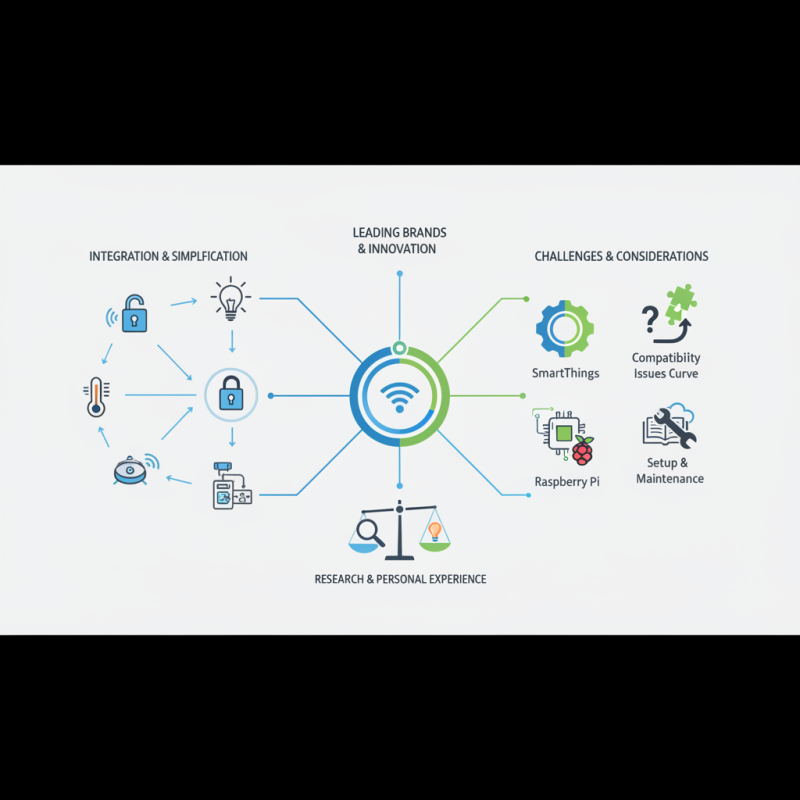
In today's super busy world, finding a reliable Home Hub has honestly never been more important. As folks around the globe start exploring their options, the need for smooth and efficient home management tools is just growing. A good Home Hub isn’t just about connecting devices — it also boosts your home security and makes everyday routines way simpler. Brands like SmartThings and Home Assistant are definitely leading the way, offering some pretty powerful automation solutions.
One pretty cool option that really caught my eye is the Home Automation Hub Raspberry Pi. It’s a flexible choice if you’re into customizing things yourself. Perfect for the tech-savvy folks who love playing around with their setups. That said, it’s not all smooth sailing — setting it up and keeping it running can be a bit tricky, so knowing what you’re in for helps you get the most out of it.
Each type of Home Hub has its own vibe — some are easier to use, while others might throw you some compatibility issues or steep learning curves. So, it’s really worth taking your time to weigh your options. Finding the perfect Home Hub isn’t just about doing a quick search; it’s also about trying things out and figuring out what works best for you personally.
Overview of Home Hub Solutions for Global Buyers
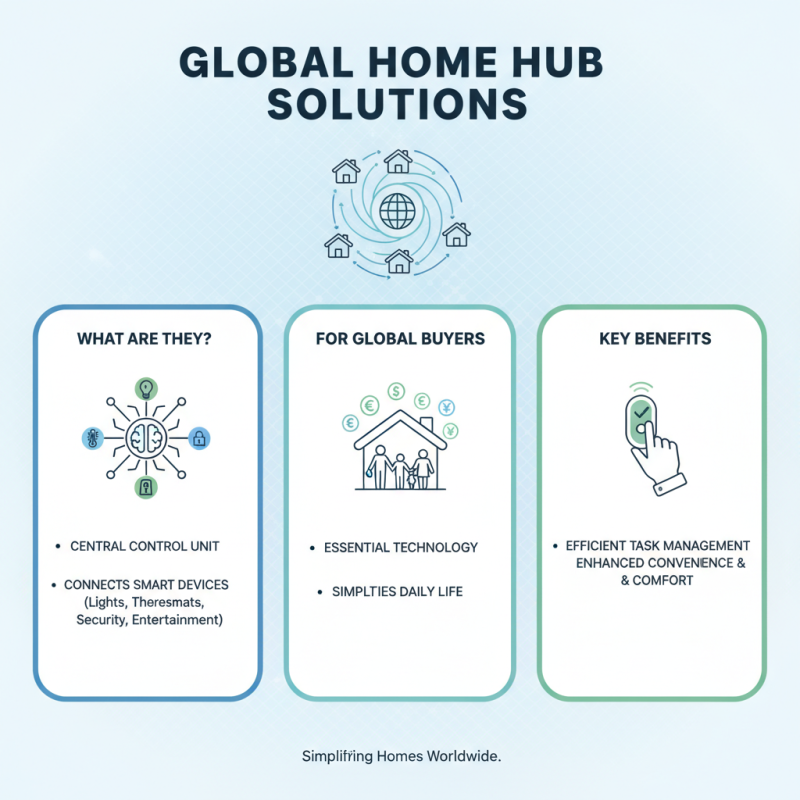
As the world embraces technology, Home Automation Hubs have become essential for many global buyers. These hubs act as central control units, connecting various Smart Devices in your home. They simplify your life by managing tasks efficiently.
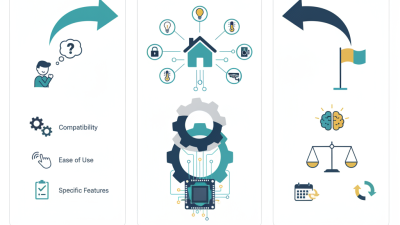
When exploring Home Hub solutions, consider your specific needs. Different hubs offer unique features and compatibility with devices. Research thoroughly to find a hub that works seamlessly with your existing gadgets. Don't overlook software updates for security and performance enhancements.
Tips: Always prioritize user reviews and expert opinions. They often offer insights that official sources do not highlight. Also, plan for future expansions. The Home Automation landscape evolves rapidly; ensure your chosen hub can accommodate new devices over time. Remember, a hub is an investment in convenience, not a one-size-fits-all solution.
Key Features to Consider in Home Hub Devices
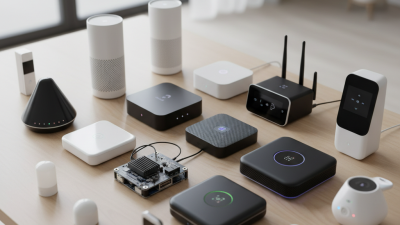
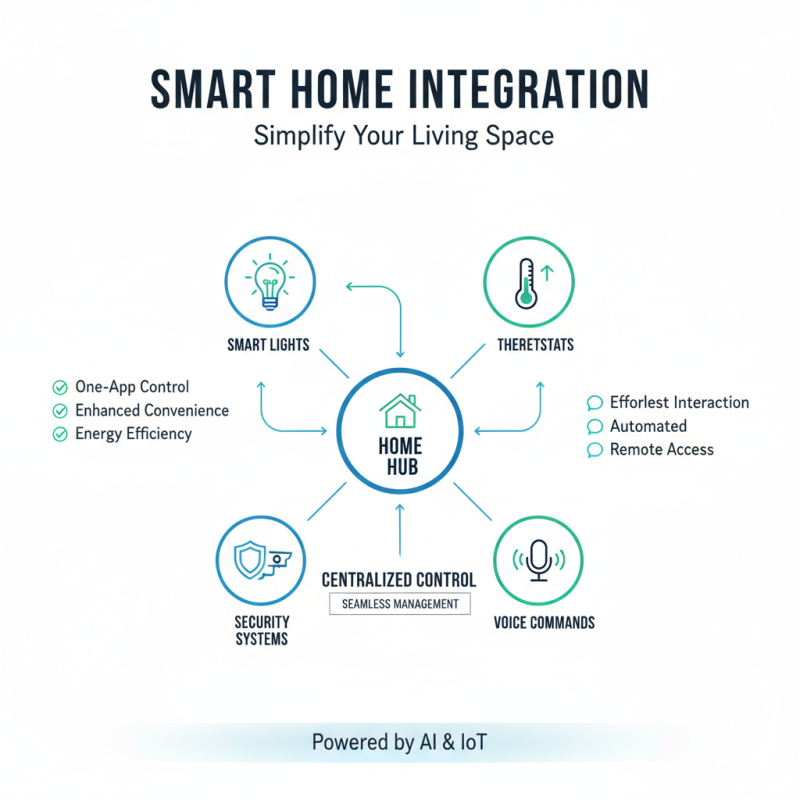
When selecting a Home Hub device, potential buyers should focus on key features that enhance usability and compatibility. ASmart Home Automation Hubshould seamlessly connect with various Smart Devices. Look for compatibility with popular platforms, ensuring that your devices communicate effectively. A well-rounded device can manage lights, thermostats, and security systems all in one place.
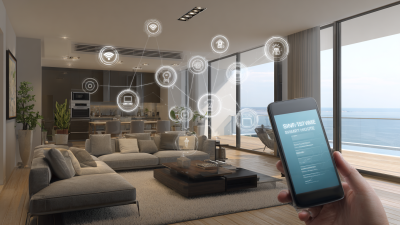
Consider the user interface as well. A device that offers an intuitive app or web interface can significantly improve the user experience. Accessibility from mobile devices adds convenience, letting you control your home on the go. Voice control options enhance this experience even further, allowing hands-free operation.
Security features are non-negotiable. A hub should offer robust encryption methods to protect personal data. Vulnerabilities in Smart Home Systems can lead to privacy concerns. Regular updates from the manufacturer help maintain security over time. An outdated device may leave you exposed. Look for a hub that prioritizes both functionality and reliability.
Top Home Hub Brands and Their Offerings
In recent years, home automation has gained immense popularity. Many buyers look for effective solutions that simplify daily tasks. This growing need has led to a surge in various home hub brands. Each brand offers unique features tailored to diverse user requirements. Compatibility is key; some hubs seamlessly connect with most smart devices, while others pride themselves on user-friendly interfaces.
One notable trend is the emphasis on security. Many hubs focus on safeguarding user data, ensuring peace of mind. Convenience features also take center stage. For example, voice control and mobile applications make managing home devices easier. Yet, certain brands struggle with interoperability between devices. Such issues can lead to frustration, leaving users disappointed.
Another important factor is customer support. Reliable service can significantly enhance the user experience. Several brands are working hard to improve this aspect, even if gaps still exist. Potential buyers should research brands’ customer reviews and support options. Engaging with user communities can provide insights that websites often overlook. This thorough approach helps buyers make informed decisions.
Home Hub Solutions Market Analysis
Comparative Analysis of Home Hub Technologies
When exploring home hub technologies, it's crucial to consider functionality and compatibility. The Smart Home Controller Hub can serve as the backbone of a modern smart home, allowing for seamless integration of various devices. This technology can elevate home automation, but buyers must ensure it syncs well with their existing systems.
Compatibility often falls short. Some controllers work better with specific devices, creating gaps in functionality. Buyers should research how each hub interacts with essential appliances. Gadgets from different brands might not communicate as hoped. This often leads to frustration during setup.
Tips: Prioritize controllers with broad compatibility. Look for user reviews that highlight real-life experiences. Ensure the hub supports common protocols for a smoother integration. Don't rush your decision; taking time to compare features can result in a more satisfying setup.
Customization is another vital aspect. The Smart Home Controller Hub allows tailoring controls to suit your lifestyle. However, users can easily become overwhelmed by the options available. Start simple, and gradually incorporate additional devices. Focus on enhancing daily routines rather than overcomplicating them.
Integration of Smart Home Devices with Home Hubs
The integration of smart home devices with home hubs has transformed how we manage our living space. A home hub acts as the central command for various smart devices. This centralization simplifies control, allowing users to manage lights, thermostats, and security systems seamlessly. Furthermore, the convenience of voice commands enhances user engagement. It allows individuals to interact with their devices effortlessly.
However, challenges remain in achieving perfect integration. Not all devices are compatible, leading to frustration. Some users report issues with connectivity. Delays in response times can also occur, which can hinder the overall smart home experience. This inconsistency prompts users to reflect on their choices. They may need to conduct more research to ensure harmony among their devices.
Building a user-friendly environment requires careful consideration. The ideal home hub should align with the specific needs of the household. Understanding device compatibility, user interfaces, and response times can lead to a more satisfying setup. While the notion of a smart home is appealing, achieving full functionality often demands patience and iterative adjustments.
User Reviews and Testimonials for Home Hub Solutions
User reviews reveal a diverse landscape of Home Hub solutions. Many users praise the intuitive interfaces and seamless connectivity of these systems. According to a recent survey by Statista, 57% of global buyers value user-friendly features most when selecting a Home Hub. This ease of use often translates to decreased reliance on customer support, enhancing the overall user experience.
However, not all experiences are positive. Some users have reported connectivity issues, especially in larger homes. A report from GfK highlights that 32% of consumers experienced intermittent connectivity with their Home Hub, leading to frustration. Many users recommend strategic placement of hubs to mitigate these issues. Reviewing online forums can be enlightening, as real-user comments often highlight both the strengths and weaknesses of each product.
Additionally, energy consumption remains a concern for buyers. According to the International Energy Agency, smart home devices, including Home Hubs, can significantly increase energy use. Users express a desire for more energy-efficient solutions without sacrificing performance. Tweets and reviews hint at a longing for balance between functionality and sustainability, suggesting buyer concerns that need attention in future designs.
Future Trends in Home Hub Development for Global Markets
The landscape of home hub technology is rapidly evolving. Professionals project that the global market will reach USD 45 billion by 2026, driven by increased demand for smart home integration. Consumers seek seamless connectivity across diverse devices, creating a strong need for innovative solutions.
Future trends indicate a rise in advanced AI features within home hubs. According to a recent industry report, homes with integrated AI systems can improve energy efficiency by up to 30%. However, many users find navigating these systems challenging. A lack of standardization can lead to frustration and confusion. Not all AI solutions are user-friendly, which can deter potential buyers.
Moreover, security remains a critical concern. A survey revealed that 68% of consumers worry about hacking in smart devices. This issue necessitates robust security measures in home hub development. Companies are urged to prioritize user education on data protection and privacy. Ultimately, the evolution of home hubs hinges on balancing innovation with reliability and user experience.
Unlocking the Future of Smart Living: A Comprehensive Guide to the H9 Smart Home Hub Controller
The H9 Smart Home Hub Controller epitomizes the future of smart living by integrating advanced technologies that prioritize energy efficiency and reliability. By utilizing a Linux operating system, the H9 not only ensures stable performance but also operates with minimal power consumption, aligning perfectly with modern households' increasing focus on sustainability. According to the International Energy Agency, transitioning to smart home technologies can lead to a reduction of around 30% in energy use, making products like the H9 vital for eco-conscious consumers.
Another significant advantage of the H9 is its offline availability, allowing users to maintain local control even in the event of network disruptions. This feature underscores the device's practicality, as it guarantees that essential home functions remain uninterrupted, a critical aspect highlighted in recent market research by Smart Home World, which shows that 70% of consumers prioritize uninterrupted service in their smart home devices. This capacity for offline operation ensures that users can depend on their smart systems regardless of external connectivity issues.
Safety and reliability stand at the forefront of the H9’s design, incorporating multiple protection mechanisms such as over-temperature protection, overload protection, and lightning surge detection. These features not only enhance the longevity of the device but also ensure safety in home electrical systems. Industry statistics indicate that electrical-related incidents account for a significant proportion of home insurance claims, reinforcing the importance of devices like the H9 that prioritize user safety alongside functionality. Such comprehensive control and protection present a compelling case for consumers seeking to elevate their smart living experience.
FAQS
: Many users praise the intuitive interfaces and seamless connectivity. However, experiences vary widely.
A recent survey shows 57% of buyers prioritize user-friendly features when choosing a Home Hub.
Yes, 32% of users reported intermittent connectivity issues, particularly in larger homes.
Strategic placement of hubs is often recommended to mitigate connectivity issues.
Yes, many users are worried about energy consumption due to smart devices, wanting more efficient solutions.
Future trends include advanced AI features aimed at improving connectivity and energy efficiency.
A lack of standardization makes navigating AI systems confusing for some users.
Very important. Around 68% of consumers worry about potential hacking threats to smart devices.
Users desire a balance between functional performance and sustainability in their Home Hub solutions.
Companies need to prioritize security, user education, and reliable functionality in their designs.
Conclusion
Home Hub solutions are increasingly appealing to global buyers looking to enhance their smart home experience. This article provides an overview of various home hub options, highlighting key features that potential users should consider, such as compatibility, ease of use, and security features. A comparative analysis of different home hub technologies reveals how these devices can seamlessly integrate with existing smart home systems, allowing for greater control and automation.
User reviews and testimonials play a crucial role in understanding the effectiveness and satisfaction surrounding different home hub solutions. As the market evolves, it is important to keep an eye on future trends in home hub development, which promise to bring even more innovative features and improvements to cater to the needs of global consumers. By carefully assessing these aspects, buyers can make informed decisions when selecting the right home hub for their smart home ecosystem.

 +86-13760248334
 CONTACT x-focus
 CONTACT x-focus