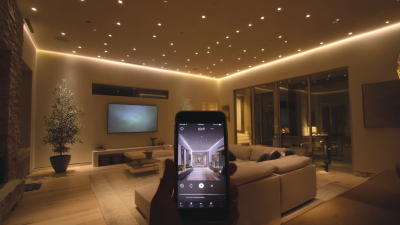
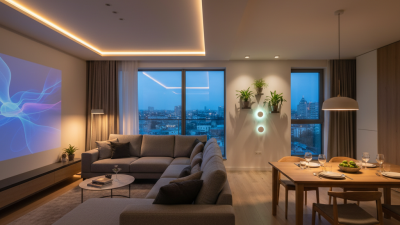
Smart Lighting has really become a game changer for both homes and businesses these days. It’s so much more than just turning lights on and off — it actually helps with safety, makes life more convenient, and even saves energy. With Smart Lighting, you can easily control your environment, changing brightness or colors right from your phone. It’s pretty awesome because it lets you set the perfect mood for any occasion, whether you’re relaxing at home or hosting a party.
Thinking about getting a Smart Home Lighting System? Honestly, it’s a smart move. Not only is it practical, but it can also save you money over time. These systems automatically turn off when nobody’s in the room, which is a big plus for energy saving. That said, I gotta be honest — the setup can be a bit tricky at first. Figuring out those complex apps and connecting multiple devices can feel overwhelming and might cause some frustration at first.
But honestly, despite that first hurdle, the benefits really do make it worth it. For example, Smart Lighting can boost security by making it look like someone’s home even when you’re away, which can actually keep intruders at bay. And for businesses, good lighting isn’t just about looks — it actually helps employees stay productive and sparks creativity. So, all in all, Smart Lighting offers a ton of advantages that are definitely worth considering if you want to upgrade your space.
Benefits of Smart Lighting for Residential Spaces
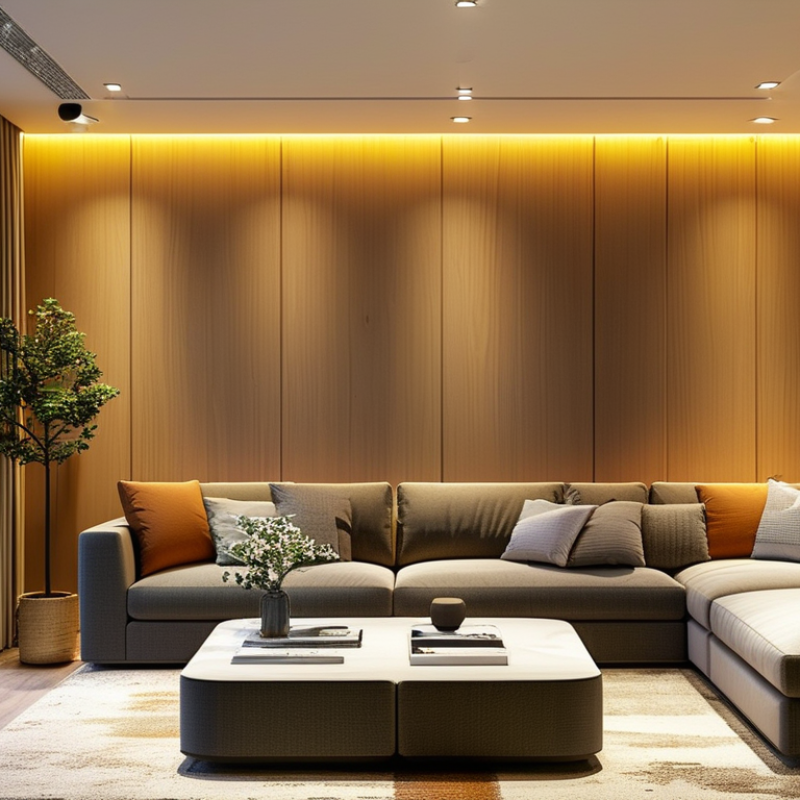
Smart Lighting offers numerous advantages for residential spaces. It allows homeowners to control lighting with ease. With just a tap on your smartphone, you can adjust brightness and color. This flexibility enhances the ambiance of your home. Imagine hosting a dinner party with warm, inviting lights, or using bright lights for reading.
Energy savings are another significant benefit. Many smart bulbs use less energy than traditional bulbs. They can automatically adjust based on natural light. This not only reduces your utility bill but also contributes to a smaller carbon footprint. Smart Lighting can also be programmed to turn off when no one is home.
However, there are some challenges. Setting up a Smart Lighting System can be overwhelming for some. Technical glitches may occur, leading to frustration. Not everyone finds the need for such technology. It’s essential to consider whether the investment aligns with your lifestyle. Balancing convenience and practicality is key.
Benefits of Smart Lighting for Residential Spaces
Enhancing Energy Efficiency with Smart Lighting Solutions
Smart Lighting solutions are increasingly becoming essential for both homes and businesses. These systems enhance energy efficiency in various ways. By automatically adjusting brightness based on natural light, they ensure that energy is not wasted. In addition, users can program them to turn off when rooms are unoccupied. This not only saves electricity but also reduces monthly bills.
With the Smart Home Lighting Control System, customization becomes straightforward. Homeowners can set schedules based on their daily routines. For businesses, this means adjusting lighting to fit client needs or events, improving overall experience. Such flexibility can truly transform a space. However, not all solutions are created equal. It's important to research and choose wisely, as not every system provides the same level of efficiency.
While many enjoy the conveniences of smart systems, challenges remain. Technical issues can arise, and some users may find them complex. Training is often needed to maximize their potential. Reflecting on installation and usage experiences can highlight what works best. Embracing Smart Lighting requires ongoing reflection and adaptation to fully benefit from what these innovative solutions offer.
Improving Convenience and Comfort through Smart Lighting Systems
Smart Lighting Systems significantly enhance convenience and comfort in homes and businesses. They allow users to tailor their environment easily. According to a report from the Smart Lighting Alliance, homes equipped with smart lighting can save up to 30% on energy costs. Easy control through mobile apps or voice assistants makes life more manageable.
The ability to set schedules or adjust brightness can improve daily routines. A study from the Illuminating Engineering Society found that effective lighting positively impacts productivity. In workplaces, well-designed smart lighting can lead to a 20% increase in employee efficiency. However, implementing these systems can be challenging and requires proper planning.
There are concerns about over-reliance on technology. If systems fail, it may disrupt routines. Additionally, creating a smart home can feel overwhelming for those unfamiliar with technology. Balancing convenience with ease of use is essential. Smart lighting offers significant advantages, yet understanding potential drawbacks is equally important.
Integrating Smart Lighting with Home Automation Technologies
Integrating smart lighting with home automation technologies offers significant advantages for both homes and businesses. Smart lighting systems can be easily synchronized with devices like smart thermostats and security cameras. This allows for a seamless integration that enhances comfort and safety. For instance, lights can automatically turn off when a security system is activated, or adjust based on the time of day.
However, implementing such technologies requires thoughtful planning. Not all systems are compatible, making integration challenging at times. Users may face hurdles when customizing their setups. The learning curve can be steep for those not familiar with tech. Balancing performance and ease of use remains a common struggle.
Moreover, smart lighting can be a powerful tool in energy management. Smart bulbs can help track energy usage patterns and suggest energy-saving measures. This data tracking, though, is not infallible. Users need to regularly assess their habits and settings to fully benefit. Overall, while the integration of smart lighting with home automation brings numerous benefits, it requires a commitment to learning and adjustment.
Cost Savings and Long-Term Financial Benefits of Smart Lighting
Smart lighting systems are designed to optimize energy efficiency. A report from the U.S. Department of Energy states that intelligent lighting solutions can reduce energy consumption by up to 30%. This translates to significant savings over time. Businesses can benefit from lower electricity bills, which enhances their bottom line. For homes, these savings can help offset the initial investment in smart technologies.
Installing a Smart House Lighting Control System allows users to automate lighting schedules. This means lights can be turned off when rooms are unoccupied, preventing unnecessary energy waste. A study from the American Council for an Energy-Efficient Economy highlights that smart systems can reduce lighting costs by an average of 40%. In practical terms, this can mean hundreds of dollars saved annually.
Tip: Consider utilizing motion sensors to enhance energy savings further. They ensure that lights only activate when needed. Another smart move is to use dimmable LEDs; they consume less energy while providing adequate illumination. Remember, success in smart lighting requires careful planning. Assess your needs before making changes. With careful execution, the potential for long-term financial benefits is substantial.
Boosting Security and Safety with Intelligent Lighting Features
Intelligent lighting systems have emerged as essential tools for enhancing security in both homes and businesses. A report by the U.S. Department of Energy highlighted that well-lit areas can deter criminal activity by up to 50%. This statistic emphasizes how Smart Lighting Home solutions can be strategically deployed to protect residential and commercial spaces alike.
With features like motion sensors and remote control capabilities, smart lighting offers unprecedented safety. For instance, automated lights can create the illusion of occupancy, which significantly reduces the chances of break-ins. Studies show that properties without smart lighting face higher theft risks. These systems can also integrate with security cameras, providing real-time notifications when motion is detected.
However, the transition to smart lighting is not without challenges. Initial costs can be daunting, and the need for technical know-how may deter some users. The long-term benefits, though, often outweigh these concerns. By investing in smart lighting technology, property owners not only enhance security but also contribute to energy efficiency. Ultimately, the potential to create safer environments through intelligent lighting solutions is worth the effort.
Environmental Impact and Sustainability of Smart Lighting Products
Smart lighting solutions are gaining traction in both residential and commercial spaces. These systems not only enhance convenience but also have a significant positive impact on the environment. According to the U.S. Department of Energy, smart lighting can reduce energy consumption by up to 75% compared to traditional lighting. This reduction translates to lower greenhouse gas emissions and a smaller carbon footprint. Many cities are adopting smart street lighting, which saves energy and maintenance costs while improving public safety.
However, it's essential to be cautious about the full cycle of these products. The production of smart lighting systems can have a considerable environmental toll. From the extraction of raw materials to manufacturing, these processes can generate waste and pollution. It’s important to choose products that are designed with sustainability in mind.
Tip: When selecting Smart House Lighting, look for energy-efficient certifications, such as ENERGY STAR. These labels indicate that the product meets specific environmental standards. Investing in smart lighting not only benefits your bills but can also contribute positively to your community's sustainability efforts.
Tip: Consider the longevity of your smart lighting. A longer lifespan means fewer replacements and reduced waste. Remember, while enjoying the efficiency of smart lighting, reflect on the lifecycle impacts these technologies may have beyond the point of purchase.
Transforming Hospitality: The Impact of C8 Smart Hotel Control Panel on Guest Experience and Operational Efficiency in 2023
In the ever-evolving landscape of hospitality, the introduction of smart hotel control panels marks a significant shift in enhancing guest experiences and operational efficiency. One of the key features of these panels is their wide protocol support, allowing seamless integration with a variety of devices. This flexibility ensures that hotels can customize their environment to meet unique guest needs while maintaining cohesive functionality across different systems. As a result, the integration of smart technology becomes not just an upgrade, but a comprehensive solution for modern hospitality management.
Moreover, efficient management capabilities revolutionize the way hotel staff interact with their environment. The ability to add devices with a single click and manage them at both the floor and room levels simplifies operations significantly. This streamlined approach not only reduces the workload for hotel staff but also translates into quicker response times for guest requests, enhancing overall satisfaction. Additionally, intelligent features such as weather forecasts and alarm settings elevate guest convenience, making their stay more enjoyable and personalized.
Security is another paramount aspect that smart hotel control panels address. With the ability to link multiple camera feeds directly to the control settings, hotels can provide a safer environment for their guests without intrusive measures. The integration of security features ensures that both guests and staff feel secure and protected, fostering a welcoming atmosphere that is crucial for repeat business. By prioritizing these innovative functionalities, hotels can transform their operational capabilities and redefine guest experiences in 2023.
FAQS
: Smart lighting systems allow users to control their lighting environment easily. They enhance comfort in homes and businesses.
They can reduce energy consumption by up to 30%. This can lead to significant savings on electricity bills.
They improve convenience, productivity, and energy efficiency. Users can tailor their lighting to fit their routines.
Yes, well-designed systems can increase employee efficiency by 20%. Effective lighting positively impacts workplace performance.
Planning is essential, and users may struggle with technology initially. Over-reliance on systems can disrupt routines if they fail.
Motion sensors ensure lights activate only when needed. They prevent unnecessary energy waste and enhance savings further.
Using dimmable LEDs reduces energy use while providing enough light. It's a practical choice for cost efficiency.
Assess your specific needs and plan accordingly. Careful execution is crucial for reaping long-term financial benefits.
Yes, it can feel overwhelming for some individuals. Balancing convenience with ease of use is essential to success.
Users may face reliance on technology. Disruptions can occur if systems fail unexpectedly. Understanding this is important.
Conclusion
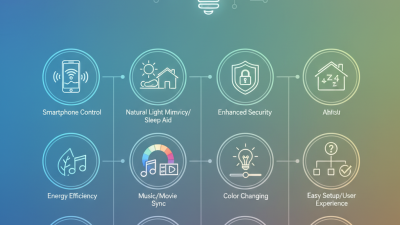
Smart lighting offers numerous benefits for both residential and business environments, significantly enhancing the overall quality of life. One of the primary advantages is its energy efficiency; smart lighting solutions can reduce electricity consumption through automated adjustments based on occupancy and daylight levels. This not only leads to substantial cost savings but also contributes to a more sustainable future by minimizing environmental impact.
Additionally, smart lighting improves convenience and comfort by allowing users to control their lighting systems remotely or through automated schedules. Integration with home automation technologies further amplifies these benefits, creating a cohesive smart home ecosystem. Moreover, intelligent lighting features enhance security and safety, deterring potential intruders with adaptive lighting. Overall, investing in smart lighting systems represents a forward-thinking approach that emphasizes efficiency, convenience, and sustainability.