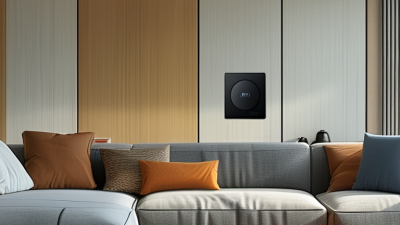
You know, the rise of Integrated Smart Home tech is really changing the way we live. If we think about 2026, a few trends are starting to stand out more and more. Big players like Google and Amazon are really pushing the envelope, rolling out cool new devices that work together pretty seamlessly. It’s kind of exciting, but also a bit overwhelming sometimes.
People these days are looking for things that make life easier—stuff that’s convenient, efficient, and keeps their homes secure. These smart systems are getting smarter too, letting us control everything in our homes with just a voice command or a tap. But let’s be honest: for some folks, especially those who aren’t super tech-savvy, all these interconnected gadgets can feel a bit intimidating.
Smart homes have this awesome potential to change how we go about our daily routines, but they’re also something we need to think about carefully. Data privacy is a real concern—no one wants their personal info to be easily accessible or vulnerable. So, as we embrace these new kinds of living spaces, it’s important to ask ourselves: are we okay with putting so much trust into technology? Finding the right balance between convenience and control is going to be key in shaping how these Smart Home Solutions develop in the future.

2026 Smart Home Market Growth: Key Statistics and Projections
The smart home market is on track for significant growth by 2026. Research indicates a surge in consumer demand for integrated technologies. Smart Devices will become standard in homes, enhancing daily convenience. Almost 70% of homeowners are considering smart systems. This trend highlights a shift toward automation and sustainability.
As technology evolves, the market will see new players emerging. These new entrants could disrupt existing dynamics. Current statistics suggest an annual growth rate of over 20%. However, consumers remain cautious. Many seek reliable solutions that offer real benefits. Companies must address concerns about privacy and security. Only then can they earn consumer trust.
Investing in Smart Home Solutions will require thoughtful consideration. Choices should reflect individual needs rather than trends. Flexibility and compatibility among devices will be crucial. Attention to user experience and affordability will influence decisions. Buyers should remain informed about advancements to make wise investments. This approach will facilitate a smoother transition into the smart home ecosystem.
The Rise of AI in Smart Home Devices: Enhancing User Experience
The integration of AI into smart home devices is a remarkable trend in 2026. Users can experience seamless interactions with their homes. Advanced voice recognition systems now understand context better. This improvement allows devices to respond to commands faster and more accurately. Smart Lighting systems adjust based on habits and preferences, providing comfort as well as energy efficiency. These elements transform ordinary homes into personalized sanctuaries.
However, the reliance on AI does have its challenges. Privacy concerns are significant as devices collect user data. People often wonder how this data is used. There have been instances where systems failed to recognize specific user commands. These moments can be frustrating and highlight the potential limitations of current technology. Users must balance convenience with security while integrating these innovations into their lives.
As technology evolves, continuous refinement is necessary. Regular updates are essential to improve the AI's learning curve. Feedback from users plays a crucial role in enhancing these systems. The evolution of AI in smart homes promises a future of enriched living, but caution and mindfulness remain essential.
2026 Top Integrated Smart Home Trends Buyers Should Know
| Trend | Description | Expected Growth Rate | User Benefit |
| AI-Powered Voice Assistants | Integration of advanced AI to enhance user interaction and automate home tasks. | 40% | Improved convenience and accessibility for users. |
| Smart Security Systems | Use of AI to analyze patterns and enhance home security features. | 35% | Increased safety and real-time alerts. |
| Energy Management Solutions | AI systems managing energy usage for efficiency and cost savings. | 30% | Reduced energy bills and environmental impact. |
| Smart Appliances | Integration of AI in kitchen and household appliances for smart operation. | 45% | Enhanced user experience and automation in daily tasks. |
| Health Monitoring Devices | Usage of AI for tracking health metrics and integrating with home systems. | 50% | Better health management and proactive care. |
Integration of IoT and Smart Home Systems: Benefits and Challenges
The integration of IoT (Internet of Things) and smart home systems is reshaping modern living. According to recent industry reports, the smart home market is projected to grow to $174 billion by 2025. This growth highlights a significant trend: homes equipped with interconnected devices enhance convenience and energy efficiency. For instance, smart thermostats can reduce energy bills by up to 30%, showcasing tangible benefits.
However, challenges accompany these advancements. Security concerns, such as data breaches, remain prominent. A study noted that 70% of IoT devices have vulnerabilities that can be exploited. Simply put, while these devices offer convenience, they also require careful consideration regarding privacy and security.
Understanding how to effectively integrate these systems is crucial. Ensure your network is secure with strong passwords. Regular software updates are essential to protect against newly discovered vulnerabilities. Educate yourself on your smart devices to fully utilize their capabilities. Awareness and knowledge will help mitigate risks while enjoying the benefits a smart home offers.
Energy Efficiency Trends in Smart Homes: Data-Driven Insights
As homeowners increasingly prioritize energy efficiency, smart home technology plays a crucial role. Recent studies indicate that energy-efficient homes can reduce utility bills by 30% to 50%. In 2026, smart home trends are expected to emphasize data-driven insights that help optimize energy consumption. Homeowners are increasingly adopting smart thermostats and lighting systems that adjust automatically based on usage patterns, significantly enhancing overall efficiency.
Data from the International Energy Agency shows that smart home devices can collectively save approximately 3,000 terawatt-hours (TWh) of energy globally by 2030. This shift is accelerating as more consumers recognize the economic benefits of a connected home. Integrating energy-efficient appliances and renewable energy sources is becoming standard. However, many homeowners still struggle with understanding their energy usage. Addressing this gap is essential, as consumer engagement with data can lead to better management of energy consumption.
Consider monitoring your energy use through home automation systems. Assess your consumption patterns regularly. Small adjustments can lead to significant savings. Explore local programs that offer incentives for energy-efficient upgrades. Measurement and monitoring can seem daunting but are vital for making informed decisions that can enhance comfort while saving money. Embracing data-driven insights can ensure your home remains at the forefront of energy efficiency trends.
Cybersecurity in Smart Homes: Protecting User Data in 2026
In 2026, the rise of smart homes presents new challenges, particularly in cybersecurity. The data shows that over 30% of connected devices are vulnerable to cyber threats. This alarming statistic highlights the need for stronger security measures to protect users' data. Vulnerabilities in devices can lead to unauthorized access, data breaches, and privacy concerns.
Research from the Cybersecurity & Infrastructure Security Agency (CISA) indicates that by 2026, consumer concerns regarding data security will grow significantly. Nearly 70% of users express worries about cyber risks associated with smart devices. The growing appetite for smart technology means that manufacturers must prioritize robust security features. However, most still struggle with security updates and patches.
Users often exhibit a false sense of security, believing smart home systems are invulnerable. This misconception can lead to lax protective measures, increasing risks. Education on best practices is essential. Users must be aware of the importance of strong passwords and regular software updates. As the landscape of cyber threats evolves, a multi-layered security approach is critical.
Health and Wellness Technology in Smart Homes: Trends and Innovations
In 2026, the integration of health and wellness technology into smart homes is poised to reshape living spaces. Reports suggest that over 70% of consumers are now concerned about their health at home. Devices that monitor air quality, sleep patterns, and physical activity are becoming essential. The global health and wellness technology market is projected to reach $600 billion by 2025, reflecting this growing trend.
Smart home systems offer personalized insights. For instance, devices can track changes in heart rate or sleep quality and adjust the environment accordingly. Some homes now feature air purifiers linked to smart sensors that detect pollutants. This connection enables real-time adjustments to create a healthier living atmosphere. Innovative technology is also being used to remind individuals to take medication or engage in physical activity. These features aim to support overall well-being.
However, challenges remain. Integration of these technologies often lacks standardization. Privacy concerns about data collection are prevalent among users. Many are unsure about how their health data is stored and used. The effectiveness of some devices is not fully proven. As this sector continues to evolve, ongoing research and consumer education will be vital for maximizing the benefits of health-focused smart home solutions.
Consumer Preferences Shaping Smart Home Product Development in 2026
As we head into 2026, consumer preferences are fundamentally shaping smart home product development. Research by Parks Associates indicates that 58% of homeowners prioritize energy efficiency in their smart devices. This trend highlights a shift towards reducing carbon footprints while maximizing utility savings. Many consumers expect products to not only operate seamlessly but also contribute to sustainable living.
Moreover, a recent report from Statista shows that 77% of consumers are interested in advanced security features for their smart homes. This focus on safety drives innovation in technology, such as AI-driven cameras and smart locks. However, with the rise in connected devices, concerns about privacy and data security also emerge. Many buyers remain cautious, indicating a need for more transparent data practices in smart home development. There's no perfect solution yet, but companies are exploring how to balance functionality with privacy.
Finally, the demand for interoperability is increasing. Users want devices from different brands to work together seamlessly. According to a survey by Deloitte, 65% of consumers express frustration over compatibility issues. This creates a challenge for manufacturers. They must continuously refine products while addressing consumer needs effectively. The journey towards an integrated smart home remains complex and filled with potential pitfalls, urging ongoing reflection and adaptation in the industry.
FAQS
: Consumer demand for integrated technologies is leading to significant growth in the smart home market.
Almost 70% of homeowners are thinking about adopting smart home systems for improved convenience.
Many consumers worry about privacy and security issues related to smart devices.
The smart home market is expected to experience an annual growth rate exceeding 20%.
Companies need to address privacy and security concerns effectively to gain trust from consumers.
Buyers should reflect on their individual needs and focus on device compatibility and user experience.
Over 30% of connected devices face vulnerabilities, highlighting significant security concerns.
Many users believe that their smart home systems are impervious to cyber attacks, which is false.
Users should employ strong passwords and regularly update software for better protection.
Awareness of cybersecurity best practices helps mitigate risks and prevent unauthorized access to devices.
Conclusion
The article "2026 Top Integrated Smart Home Trends Buyers Should Know" explores the transformative trends shaping the integrated smart home market. It highlights significant market growth, backed by key statistics and projections indicating strong consumer demand. A notable trend is the rise of artificial intelligence in smart home devices, which enhances user experience through personalized interactions and automation.
Additionally, the article examines the integration of Internet of Things (IoT) systems with smart homes, emphasizing both the benefits of seamless connectivity and the challenges that arise in implementation. Energy efficiency is increasingly prioritized, with data-driven insights providing a pathway for sustainable living. Cybersecurity remains a critical focus, ensuring protection of user data amidst growing concerns. Finally, the article highlights the role of health and wellness technologies in smart homes, showing how consumer preferences are driving innovative product development in 2026.