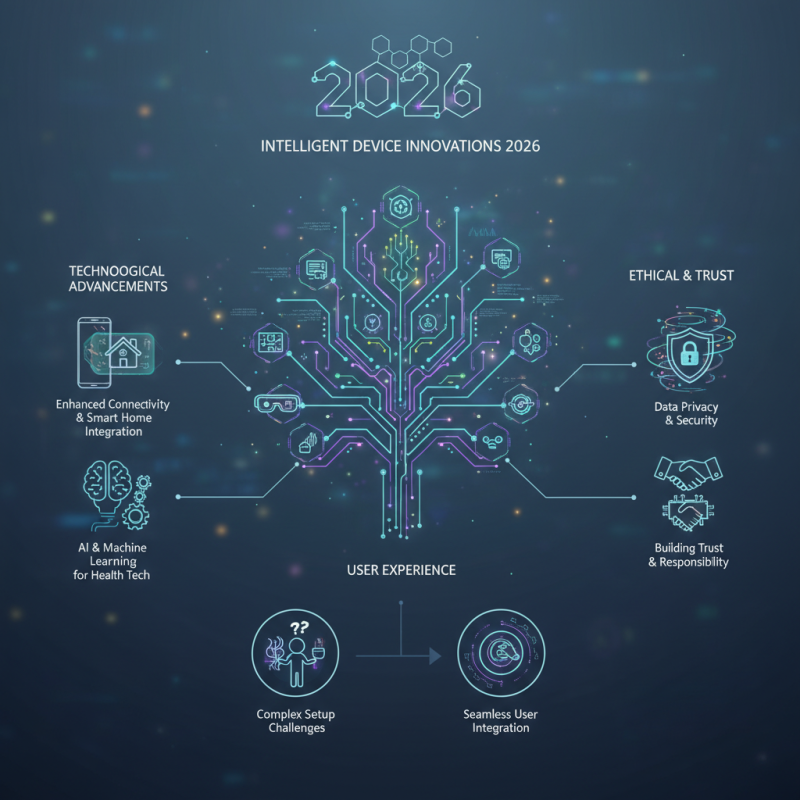
As 2026 starts to come into view, it’s pretty clear that technology is changing really fast. Those Intelligent Devices are totally leading the charge in this wave of innovation. Big names like Apple, Samsung, and Google are really pushing the boundaries of what connectivity even means for us today. And honestly, these gadgets seem to be promising way more efficiency and smarter ways to handle everyday stuff.
But, let’s be real—not every new tech lives up to the hype. Sometimes, the excitement around certain products is way bigger than what they actually deliver. Take some Smart Home Devices, for example—they can be pretty tricky to set up and use. People just want things to work smoothly, but quite a few find themselves scratching their heads over complicated instructions or confusing setups. That’s definitely a signal that companies need to do a better job of explaining things clearly.
On top of all the cool tech, there’s also the tricky ethical stuff that comes with these advancements. Privacy gets to be a big concern when you're using all these intelligent gadgets. Companies really need to prioritize protecting our data while they keep pushing forward with innovation. So, heading towards 2026, it’s not just about having the coolest tech — it’s also about building trust and taking responsibility in this space.
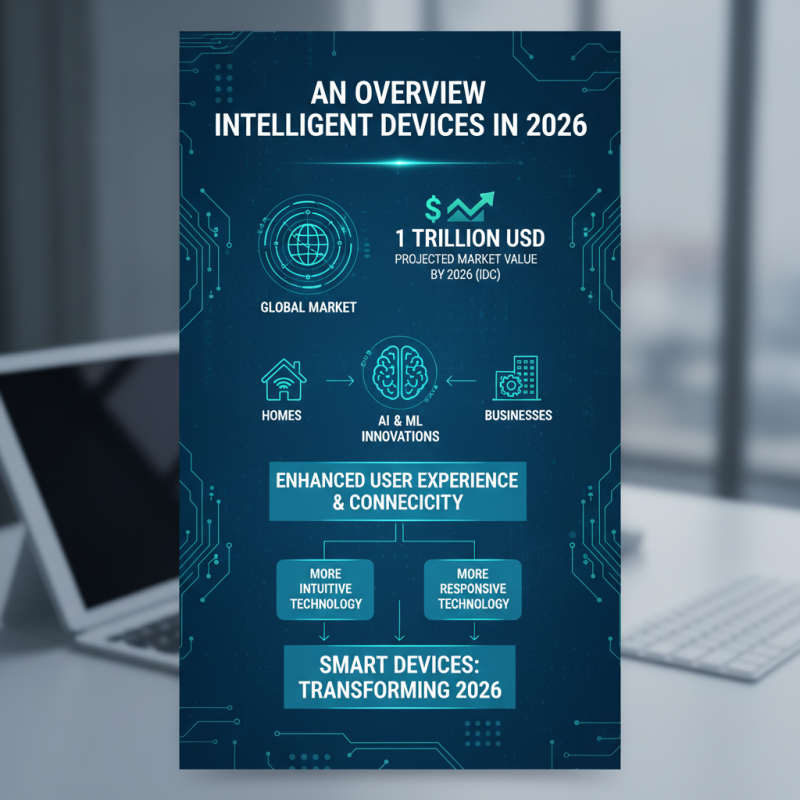
An Overview of Intelligent Devices in 2026
In 2026, the landscape of Intelligent Devices is set to undergo a remarkable transformation. According to the International Data Corporation (IDC), the global market forSmart Devices is projected to reach $1 trillion by 2026. This surge will stem from innovations in artificial intelligence and machine learning, enhancing user experience and connectivity. The prevalence of Smart Devices in homes and businesses will make technology more intuitive and responsive.
Data from the Consumer Electronics Association indicates that nearly 70% of households will own at least one Smart Device by 2026. These devices will surpass basic functionality, integrating seamlessly into daily life. Users can expect to see advancements in health monitoring, smart automation, and voice control. Yet, the rapid growth raises concerns. The security of personal data collected by these devices is under scrutiny. Vulnerabilities in Smart Devices can lead to privacy breaches. Manufacturers must address these challenges to gain consumer trust.
Market research highlights that while the potential is vast, a lack of standardization may hinder real progress. Many smart devices still lack interoperability, creating frustration for users. As the industry evolves, the focus will need to shift toward creating cohesive ecosystems. Ensuring usability while prioritizing security will define the future of Intelligent Devices in 2026. The path ahead is promising but requires thoughtful consideration and innovation.
Key Features of 2026's Best Intelligent Innovations
The landscape of Intelligent Device innovations is set to transform in 2026. Key features will revolve around improving efficiency and sustainability. A recent report by the International Energy Agency suggests that smart energy solutions can reduce energy consumption inIntelligent Building Systems by up to 30%. This statistic illustrates the potential of these innovations in future developments. Users can expect advancements in AI algorithms, enhancing predictive capabilities for energy management.
Context-aware systems will feature prominently. These systems will not only adapt to user preferences but also learn from environmental changes. The global market for smart building technology is projected to reach $109 billion by 2026, according to industry analysis. This growth indicates a strong demand for devices that offer real-time data processing and seamless connectivity. However, challenges remain in ensuring user privacy and system security. As Intelligent Devices become more integrated, the risk of cyber threats might increase, raising concerns among potential users.
Moreover, the intersection of automation and design will redefine user experience. Innovations will focus on creating environments that respond naturally to human presence. As these systems evolve, the importance of user education becomes evident. Users should understand how to optimize these technologies to maximize benefits. Balancing innovation with ethical considerations will be essential for success in the Intelligent Building Systems market.
2026 Best Intelligent Device Innovations for Global Buyers
| Device Name | Key Feature | Smart Technology | User Experience | Estimated Price (USD) |
| Smart Home Assistant | Voice-Controlled Home Automation | AI-Powered Voice Recognition | Customizable Home Environment | 199 |
| Wearable Fitness Tracker | Real-Time Health Monitoring | Heart Rate and Sleep Quality Metrics | User-Friendly Interface | 129 |
| Smart Security Camera | 24/7 Surveillance with Motion Alerts | Facial Recognition Technology | Intuitive Mobile App Access | 299 |
| Smart Refrigerator | Inventory Management and Recipe Suggestions | IoT Connectivity | Interactive Touchscreen Interface | 1499 |
| Smart Gardening System | Automated Plant Care | Sensors for Soil and Water Levels | Mobile Alerts and Suggestions | 249 |
Top Intelligent Devices for Smart Homes in 2026
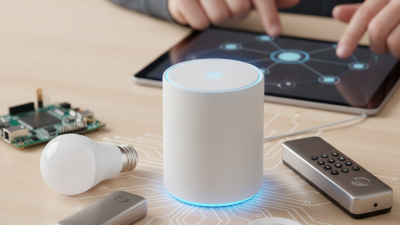
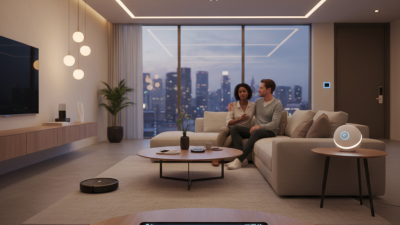
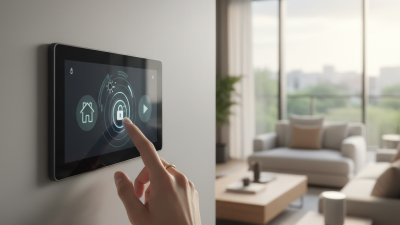
In the evolving realm of smart homes, 2026 brings a fresh wave of intelligent devices to enhance daily living. These innovations focus on making homes more efficient, secure, and comfortable. From voice-activated controllers to smart thermostats, the emphasis is on user-friendly designs. Homeowners seek devices that integrate seamlessly into their lifestyles.
Smart lighting systems now adjust based on natural light levels. These systems conserve energy while providing ambiance. However, users often struggle with installation and setups. Many find themselves consulting online forums or tech support, revealing a gap in user-friendliness. Advanced security cameras offer real-time monitoring, but privacy concerns linger. Customers should weigh the benefits against potential risks.
Intelligent Buildings will likely push the boundaries further. The integration of various devices creates a complex ecosystem. Buyers need to understand compatibility issues between different brands. While these devices offer convenience, they also require ongoing maintenance. As homeowners embrace smart technology, they should also be prepared for potential challenges ahead.
Wearable Technology Breakthroughs to Watch in 2026
In 2026, wearable technology is set to revolutionize our daily lives. Expect innovations that make devices smarter and more intuitive. From fitness trackers to health monitors, these devices will integrate seamlessly into our routines. Innovations will focus on enhanced user interaction and data accuracy.
Smart textiles are gaining traction. Imagine clothing that can monitor your heart rate or hydration levels. This could redefine personal health management. However, there are challenges. Privacy concerns about data collection persist. Users must stay informed about how their data is used.
**Tips:** Always review privacy settings on your wearables. Ensure you're comfortable with the data shared. Regularly update your device for optimal performance. Experiment with different features to discover what works best for you. Wearable technology is evolving quickly, and adapting is key.
AI Integration in 2026's Best Intelligent Devices
In 2026, intelligent devices will redefine the landscape of technology. AI integration stands central to these innovations. Devices equipped with AI can learn user preferences and enhance functionality. Imagine a home assistant that adapts to your schedule and mood. This shift brings convenience but also raises concerns about privacy. How much data are we willing to share?
Tips: Be mindful of your data sharing. Understand the privacy policies of the devices you choose.
Smartphones will feature advanced AI for daily tasks. They will manage scheduling, suggest restaurants, or curate music playlists based on your mood. Striking a balance between convenience and security remains crucial. While AI enhances efficiency, its reliance on user data can be problematic.
Tips: Regularly review app permissions. Adjust settings to prioritize your privacy.
Wearable devices, like smartwatches, will become more intuitive. They will monitor health metrics in real time and offer insights for a healthier lifestyle. However, users must consider their reliance on technology for health management. Can we truly trust AI with our well-being?
Tips: Use wearables as a support tool, not a replacement for professional advice.
Consumer Preferences: What Global Buyers Want in 2026
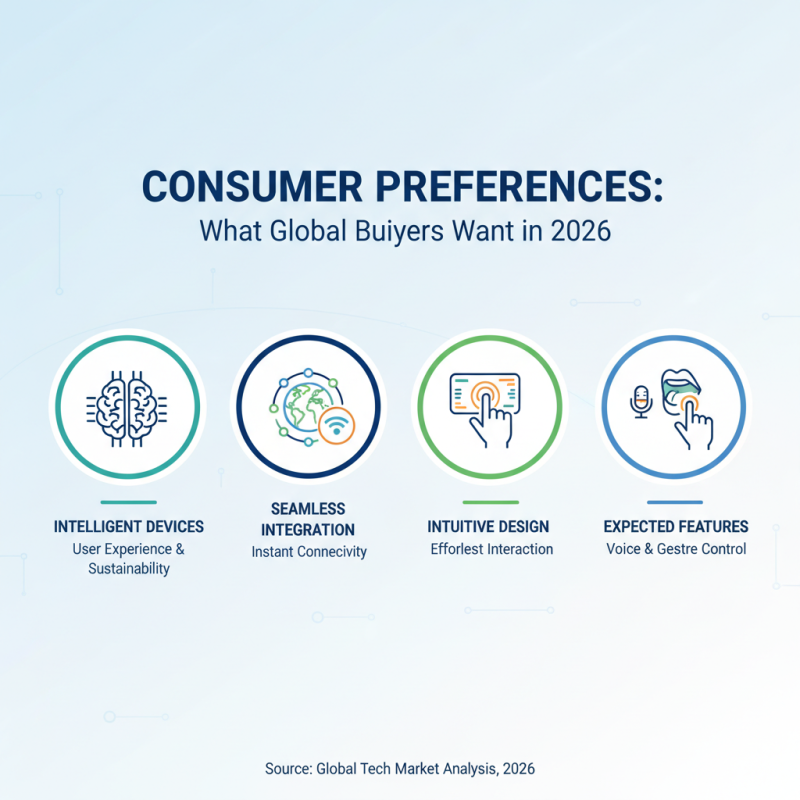
In 2026, global buyers are poised to seek intelligent devices that prioritize user experience and sustainability. Consumers want technology that seamlessly integrates into their daily lives. Instant connectivity and intuitive design are becoming crucial. Features such as voice recognition and gesture control are no longer just luxuries; they are expected from new devices.
Privacy and security will be paramount. Buyers are increasingly aware of data vulnerabilities. They want products that ensure their information is protected without sacrificing usability. Additionally, many expect manufacturers to be transparent about how their data is used. It’s essential for companies to engage in open dialogues regarding privacy policies.
While advanced technology excites consumers, some remain skeptical. They question whether innovations genuinely enhance their lives. Others worry about obsolescence as rapid advancements flood the market. It’s clear that true innovation aligns with consumer values and addresses their needs sustainably, fostering a trust-based relationship between buyers and manufacturers.
Future Trends in Intelligent Device Innovations Beyond 2026
The landscape of intelligent device innovations is evolving rapidly. By 2026, it is expected that 80% of consumer electronics will incorporate AI capabilities, driving a more personalized user experience. According to industry reports, smart devices will leverage machine learning to adapt to user preferences. This could lead to a significant increase in efficiency and productivity in everyday tasks.
Future trends suggest a move towards enhanced connectivity. The adoption of 5G technology is projected to grow, enabling devices to communicate seamlessly. As per data from leading technology analysts, the global market for IoT devices is forecasted to exceed $1 trillion by 2025. This presents both opportunities and challenges. For instance, increased connectivity raises concerns about privacy and security. The integration of advanced security measures is critical yet often underappreciated.
Ethical considerations in device design are increasingly paramount. With AI becoming central to user interaction, the potential for bias in algorithms cannot be ignored. Ensuring inclusivity in device functionality requires continuous scrutiny. These reflections highlight the need for responsible innovation that balances advancement with ethical implications for users globally.
Unlocking Connectivity: The Versatility and Efficiency of the P8 Multi-Protocol Intelligent Gateway
In today's rapidly evolving technological landscape, connectivity solutions are paramount for both residential and commercial applications. The P8 Multi-Protocol Intelligent Gateway stands out due to its exceptional versatility and efficiency, successfully integrating the functions of a gateway, music player, and intercom into a single unit. This all-in-one approach not only reduces the need for multiple devices but also streamlines user experience, allowing seamless interaction and control across various functionalities.
Industry reports indicate that smart home solutions are witnessing an annual growth rate of over 25%, primarily driven by the demand for consolidated services that enhance user convenience. The P8 excels in this arena with its dual-zone audio capabilities, providing comprehensive music playback throughout the entire house. As more households invest in smart technology, having a system that supports multi-room audio distribution becomes essential for creating immersive sound experiences, thus aligning with the preferences of today's tech-savvy consumers.
Moreover, the P8's sleek design, characterized by a CNC full-metal body, ensures not only durability but also a high-end aesthetic appeal that can complement any modern decor. Personalization features, such as customizable home screen menus, cater to individual usage habits, enhancing user engagement. In a market where consumer preferences are constantly evolving, the adaptability of the P8 Multi-Protocol Intelligent Gateway positions it as a forward-thinking solution that meets the diverse needs of users while promoting an enhanced connected lifestyle.
FAQS
: Smart lighting systems adjust to natural light and save energy. They also enhance the ambiance of homes.
Users often struggle with installation. Many rely on online forums or tech support for assistance.
They provide real-time monitoring and alerts. However, users must be aware of privacy concerns.
Compatibility issues between different brands can pose problems. Understanding these is essential for a smooth experience.
Wearable technology allows users to monitor health metrics like heart rate and hydration levels.
There are ongoing concerns about data collection. Users should stay informed about how their data is used.
Regularly update devices and review privacy settings. Experimenting with different features can enhance usability.
The rapid evolution of technology means that staying informed is crucial for optimal use and benefits.
Smart textiles can monitor health metrics. Users must consider privacy concerns about data collection.
Embrace potential challenges with ongoing maintenance needs. Recognizing these issues will help improve the smart home experience.
Conclusion
In 2026, the landscape of Intelligent Devices is set to transform significantly, offering innovative solutions tailored to both smart homes and personal use. An overview reveals that key features include enhanced AI integration, improved connectivity, and user-friendly interfaces, making these devices more intuitive than ever. As global buyers increasingly prioritize convenience and personalization, the demand for devices that seamlessly integrate into daily life is growing.
The advancements in wearable technology are particularly noteworthy, with breakthroughs designed to monitor health and enhance user experience. Additionally, understanding consumer preferences is crucial; buyers are looking for intuitive devices that offer real utility and enhance their lifestyles. Looking ahead, future trends suggest that Intelligent Device innovations will continue to evolve, focusing on sustainability and greater interoperability, setting the stage for a smarter, more connected world beyond 2026.